
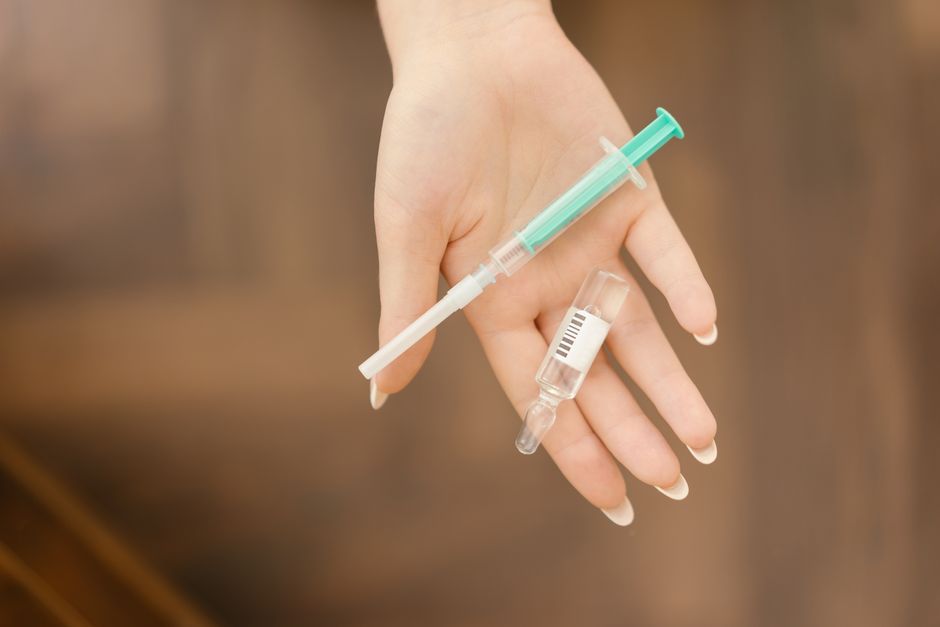
Monthly testosterone injections in the United States usually cost between about $20 and $150 out of pocket for the medication itself. Once you add clinic visits, lab work, and injection supplies, the real monthly total commonly lands somewhere between $50 and $400. Insurance changes everything — many commercial plans and Medicare Part D cover testosterone when it is prescribed for a diagnosed hormone deficiency, which can drop your cost to a standard copay.
The single biggest factor is not the drug. Testosterone cypionate and enanthate are generic, inexpensive medications that have been on the market for decades. The variation in what people actually pay comes from where they get care, how often they are monitored, and whether their insurance recognizes the diagnosis.
What Is the Actual Cost of the Medication?
The testosterone molecule itself is cheap. A 10 mL vial of generic testosterone cypionate at 200 mg/mL — enough for roughly one to three months depending on dose — typically retails for $30 to $80 at a pharmacy. Some pharmacies price it lower. A single 1 mL vial may run $10 to $30.
Brand-name products and specialty formulations are a different story. Gels, nasal sprays, pellets, and long-acting injectables like testosterone undecanoate can cost several hundred dollars per month without insurance. If your prescription is specifically for injections, you are generally in the least expensive category of testosterone therapy.
Prices vary by pharmacy. Large chain pharmacies, warehouse clubs, and mail-order services often beat hospital outpatient pharmacies on cash price. It is reasonable to call two or three pharmacies and ask for the cash price of the exact strength and volume your prescription specifies.
What Else Goes Into the Monthly Total?
Medication is only part of the picture. Testosterone therapy is a monitored treatment, and monitoring costs money.
- Lab work. Testosterone levels, hematocrit, and other markers are typically checked periodically. A single lab panel can range from $30 to $200 or more depending on the tests and whether insurance covers them.
- Office visits. A follow-up visit with a clinician commonly runs $75 to $300 without insurance, though this is usually every few months rather than monthly.
- Supplies. Syringes, needles, alcohol swabs, and sharps disposal containers generally cost $10 to $30 per month.
- Administration. If a clinic gives the injection for you, there is often an injection fee on top of the visit.
For someone self-injecting at home with generic testosterone and quarterly lab work, the all-in monthly average often falls in the $50 to $150 range. For someone receiving injections at a private clinic with frequent visits, it can easily exceed $300 per month.
How Much Do Monthly Testosterone Injections Cost With Insurance?
With insurance, the medication cost usually drops to a copay. Generic testosterone cypionate is frequently tier 1 or tier 2 on commercial formularies, which often means a copay somewhere between $5 and $40 for a month’s supply.
The catch is coverage criteria. Most insurers require documented evidence of hypogonadism — low testosterone confirmed by blood tests, usually on more than one morning measurement — before they will pay. They generally do not cover testosterone for symptoms alone when lab values are normal, or for age-related declines that do not meet diagnostic criteria.
Medicare Part D plans vary widely in whether they cover testosterone and under what conditions. Coverage is not automatic, and prior authorization is common. Medicaid coverage also differs by state.
If a claim is denied, the denial is often based on diagnosis rather than the drug. That distinction matters, because it means the path to coverage usually runs through proper testing and documentation, not through finding a cheaper pharmacy.




Why Do Some Clinics Charge So Much More?
The wide spread in pricing is mostly about the business model, not the medicine. A primary care doctor prescribing generic testosterone and ordering labs through a standard laboratory is operating at a very different cost structure than a dedicated men’s health clinic that bundles consultations, injections, and frequent monitoring into a membership.
Some clinics charge a monthly membership fee that includes the medication, the injection, and periodic visits. These programs can run $200 to $500 per month or more. The convenience and frequency of contact are real, but the medication inside those programs is often the same generic product available for a fraction of the price elsewhere.
Telehealth platforms have changed the landscape. Some offer online consultations and mail-order testosterone at prices that undercut traditional clinics. Quality of monitoring varies, and it is worth asking directly what labs are included and how often they are drawn.
Does Insurance Cover Testosterone for Low Energy or Aging?
Generally, no. Insurance coverage is tied to a diagnosis of hypogonadism, which is a specific medical condition defined by consistently low testosterone levels, not by symptoms alone. Feeling tired, having low libido, or noticing reduced muscle mass can have many causes, and insurers typically require lab confirmation before covering treatment.
This is where a lot of confusion and frustration comes from. A man in his fifties with fatigue and a testosterone level at the low end of normal may be told he does not qualify for coverage. That is not a judgment about whether he would benefit — it reflects the coverage criteria, which are based on diagnostic thresholds rather than on how someone feels.
Some clinicians treat symptoms even when levels fall within the reference range. This is common in practice but is not strongly supported by large trials, and it is usually not covered by insurance.
Are There Cheaper Alternatives to Monthly Injections?
Injections are already among the least expensive forms of testosterone therapy. Generic injectable testosterone typically costs less per month than gels, patches, pellets, or nasal formulations.
The main cost lever is not the delivery method — it is how the care is structured. A few things tend to reduce the monthly total:
- Getting the prescription from a primary care clinician rather than a specialty clinic.
- Filling generic testosterone at a low-cost pharmacy.
- Self-injecting at home rather than paying for in-clinic administration.
- Confirming which labs are truly necessary and how often, based on clinical guidance rather than clinic routine.
One clarification worth making: the frequency of monitoring is not arbitrary. Testosterone therapy can raise red blood cell counts, which is why hematocrit is tracked. It can also affect other markers. Skipping monitoring to save money is not a safe shortcut, and the monitoring schedule should follow clinical guidance rather than cost.
What Determines Whether You Pay $30 or $400 a Month?
The difference almost always comes down to three things: insurance status, where you receive care, and how the prescription is written.
| Scenario | Typical Monthly Cost |
|---|---|
| Generic injection, self-administered, insurance copay | $5–$40 |
| Generic injection, self-administered, cash price | $30–$80 |
| Generic injection plus labs and visits, no insurance | $50–$150 |
| Men’s health clinic membership with bundled care | $200–$500+ |
| Brand-name or specialty formulation without insurance | $300–$1,000+ |
These are general ranges. Actual prices depend on your pharmacy, your plan, your dose, and your location. The ranges are wide because the underlying services are not standardized.
The Bottom Line on Cost
Generic testosterone injections are one of the more affordable prescription treatments available. The medication itself is often under $80 a month at cash price, and frequently under $40 with insurance. The expense that surprises people is everything around the drug — labs, visits, and clinic fees — and that is where the monthly total can climb quickly.
If cost is a concern, the most useful questions to ask are direct ones. What is the cash price of the medication at this pharmacy? Which labs are required, how often, and are they covered? Is the injection something I can do at home? Asking those questions before starting treatment tends to produce a much clearer picture than any advertised price.
Frequently Asked Questions
How much do monthly testosterone injections cost without insurance?
Generic testosterone injections typically cost $30 to $80 per month at cash price. When you add required lab work and office visits, the real monthly total usually falls between $50 and $150.
Does insurance cover testosterone injections?
Many commercial plans and Medicare Part D plans cover testosterone when it is prescribed for a confirmed diagnosis of hypogonadism, often for a copay of $5 to $40 per month. Coverage usually requires documented low testosterone on blood tests and may require prior authorization.
Why are men’s health clinic prices so much higher?
Clinics bundle consultations, injections, and frequent monitoring into a membership that can run $200 to $500 or more per month. The medication is often the same generic product available for far less elsewhere.
Can I get testosterone injections cheaper by self-injecting at home?
Yes, self-administering at home avoids in-clinic injection fees, which can lower the monthly total. Supplies like syringes and sharps containers generally add only $10 to $30 per month.
