
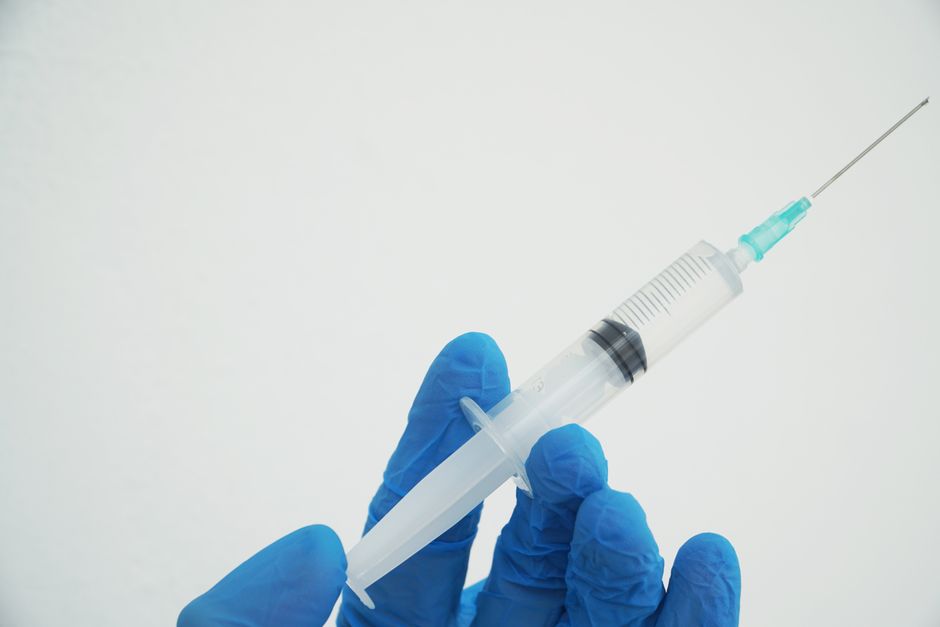
Intramuscular injections do not have to hurt as much as you expect. The discomfort comes from the needle piercing skin and muscle tissue, plus the fluid spreading in the muscle. You can cut that pain significantly with the right preparation and technique. Research shows that simple changes — like using a smaller needle, relaxing the muscle completely, and applying pressure afterward — make a real difference. The pain is not something you just have to endure.
What Causes Pain During an Intramuscular Injection?
The pain from an intramuscular injection comes from several sources. The needle tip cuts through skin and muscle fibers. That triggers nerve endings that send pain signals to your brain. The speed of the injection matters too. Pushing the fluid in too fast stretches the muscle tissue and causes more discomfort.
The location of the injection plays a big role. The deltoid muscle in the upper arm is common for vaccines. It has fewer large nerves than the gluteal muscles in the buttock. But the gluteal area can hold larger volumes of fluid with less pain if you inject into the right spot — the upper outer quadrant, away from the sciatic nerve.
Some people feel more pain because of anxiety. When you are tense, your muscles tighten. A tight muscle hurts more when the needle goes in. This is not psychological weakness. It is a physical response that makes the injection harder on your body.
The temperature of the medication also matters. Cold fluids sting more than room-temperature fluids. If you are giving yourself a shot at home, let the medication sit out for a few minutes first — unless the label says it must stay refrigerated.
Does Relaxing the Muscle Really Help?
Yes. This is one of the most effective things you can do. Studies have found that a relaxed muscle allows the needle to pass through more easily. A tense muscle grips the needle and creates more friction. That friction translates directly into pain.
For the deltoid muscle, let your arm hang completely loose at your side. Do not shrug your shoulder up. For the gluteal area, lie on your side with the top leg bent and relaxed. Put your weight on the bed or table. Do not hold yourself up.
Some people try to distract themselves by tensing a different muscle. For example, squeezing the opposite hand while getting a shot in the arm. This works for some people, but the evidence is mixed. The most reliable approach is to fully relax the muscle receiving the injection.
If you are giving yourself the injection, you have an advantage. You know exactly when the needle is coming. You can consciously drop your shoulder or let your leg go loose right before the needle enters. Practice this a few times with an empty syringe to train the movement.
What Technique Reduces Pain the Most?
The technique matters more than most people realize. Current research suggests that using a smaller gauge needle — 25 or 26 gauge instead of 22 or 23 — reduces pain noticeably. The thinner needle creates a smaller hole in the skin and muscle. This is well-established in clinical practice.
The insertion speed also matters. A slow, steady insertion causes less trauma than a fast jab. But too slow can also hurt because the needle drags across skin. The sweet spot is a moderate, controlled speed. Think of it like pressing a button, not stabbing into something.
Injecting the fluid slowly is just as important. A 1 mL injection should take at least 10 seconds to push in. For larger volumes like 3 mL, take 20 to 30 seconds. Rushing the injection causes the fluid to pool and stretch the muscle fibers. That stretching is what creates the deep ache after the shot is done.
After the injection, apply firm pressure with a dry cotton ball for 10 to 15 seconds. Do not rub the site. Rubbing can irritate the tissue and increase pain later. Pressure alone helps close the needle track and reduces bleeding under the skin.
Here is a quick comparison of common techniques and their effects:
| Technique | What It Does | Pain Reduction Evidence |
|---|---|---|
| Thinner needle (25-26 gauge) | Smaller puncture hole | Strong |
| Slow fluid injection (10+ seconds per mL) | Less muscle stretch | Strong |
| Relaxed muscle | Less friction on needle | Strong |
| Cold spray or ice before injection | Numbs skin surface | Moderate |
| Vibration near injection site | Distracts nerve signals | Moderate |
| Topical anesthetic cream | Numbs skin for 30-60 minutes | Moderate for children |





Can You Numb the Skin First?
You can numb the skin before an intramuscular injection. Topical anesthetics like lidocaine cream work if you apply them at least 30 minutes before the shot. They block the nerve endings in the skin, which stops the initial sting. This is common for children and people who are very needle-phobic.
Ice is a simpler option that some people report helps. Applying an ice cube to the injection site for 30 to 60 seconds numbs the surface briefly. The effect wears off quickly, so you need to inject right after removing the ice. The evidence for ice is weaker than for topical creams, but it is free and has no side effects.
Vibration is a newer approach that has some research behind it. A small vibrating device placed near the injection site confuses the nerve signals. The brain registers the vibration instead of the needle prick. Some studies suggest this reduces pain by 30 to 50 percent in children. As of 2026, the devices are widely available online at low cost.
Do not use alcohol wipes to numb the skin. Alcohol does not numb anything. It only cleans the surface. Let the alcohol dry completely before the injection, or it will sting when the needle goes in. That sting is the alcohol, not the needle.
What About Needle Phobia and Mental Preparation?
Needle phobia is real and affects about 10 percent of the population. It is not something you can just talk yourself out of. The physical response includes a drop in blood pressure and heart rate, which can lead to fainting. This is a vasovagal response, not anxiety alone.
If you have needle phobia, lying down for the injection helps. It prevents fainting and reduces the chance of falling. Tell the person giving the injection that you have this response. They can adjust the technique and let you rest afterward.
Distraction works for mild to moderate discomfort. Listen to music through headphones. Watch a video on your phone. Count backward from 100 in your head. These techniques shift your brain’s attention away from the needle. The effect is modest but real.
Deep breathing also helps. Take a slow breath in for four seconds, hold for four seconds, then breathe out for four seconds. Do this three times before the needle goes in. It lowers your heart rate and reduces muscle tension. The evidence for this is solid for general pain management, though specific studies on injections are limited.
What Should You Avoid Doing?
Do not tense up. This is the most common mistake people make. Tensing the muscle makes the injection more painful and increases the chance of bruising. If you feel yourself tensing, take a breath and consciously let the muscle go soft.
Do not look at the needle if it makes you anxious. Looking away is fine. But do not turn your whole body away or move during the injection. Movement can cause the needle to drag or bend, which hurts more and can damage tissue.
Do not massage the injection site afterward. Massaging can spread the medication into surrounding tissue and increase soreness. It can also cause bleeding under the skin. Firm pressure is what you want, not rubbing.
Do not use a dull needle. Needles are single-use for a reason. Even a slightly dull tip causes more pain. If you are giving yourself injections at home, always use a fresh needle from a sealed package. Do not reuse needles even if you cleaned them.
Do not inject into a cold muscle. If you are cold, the muscle tightens up. Warm the area with a heating pad for five minutes before the injection if possible. This relaxes the muscle and improves blood flow, which helps the medication absorb more smoothly.
Common Misconceptions About Injection Pain
Many people believe that injecting quickly reduces pain. The opposite is true. A fast injection pushes the fluid in too fast, stretching the muscle and causing more pain. Slow and steady is better.
Another myth is that the gluteal muscle always hurts less than the arm. This depends on the injection site. The upper outer quadrant of the gluteal area has fewer nerves. But if the injection goes too low or too close to the center, it can hit the sciatic nerve. That hurts significantly and can cause complications. For most vaccines, the deltoid is preferred because the risk of nerve damage is lower.
Some people think that icing the injection site after the shot prevents soreness. Ice can reduce swelling, but it does not do much for the deep muscle ache that comes hours later. Gentle movement of the muscle — like arm circles or walking — helps more than ice for that delayed soreness.
There is also a belief that larger needles hurt more because they are bigger. This is true for the gauge size. But needle length is different. A longer needle might be necessary to reach the muscle in someone with more body fat. Using a needle that is too short means the medication goes into the fat layer instead of the muscle. That can cause more pain and slower absorption.
Frequently Asked Questions
How can I make an intramuscular injection hurt less at home?
Let the medication reach room temperature, use a 25-gauge or thinner needle, and inject the fluid slowly over at least 10 seconds per mL. Relax the muscle completely before the needle goes in.
Does ice help before an intramuscular injection?
Ice numbs the skin surface for about 30 to 60 seconds, which can reduce the initial sting. The evidence is moderate, but it is safe and free to try.
What is the best muscle to inject for less pain?
The deltoid in the upper arm is common and has fewer large nerves. The gluteal area can hold more fluid but must be injected into the upper outer quadrant to avoid the sciatic nerve.
Can I use numbing cream before a shot?
Yes, lidocaine cream works if applied at least 30 minutes before the injection. It numbs the skin and reduces the sting of the needle entering.
Why does my muscle ache hours after the injection?
That deep ache is from the fluid spreading through the muscle fibers and causing mild inflammation. Gentle movement of the muscle helps more than ice for this type of soreness.
