
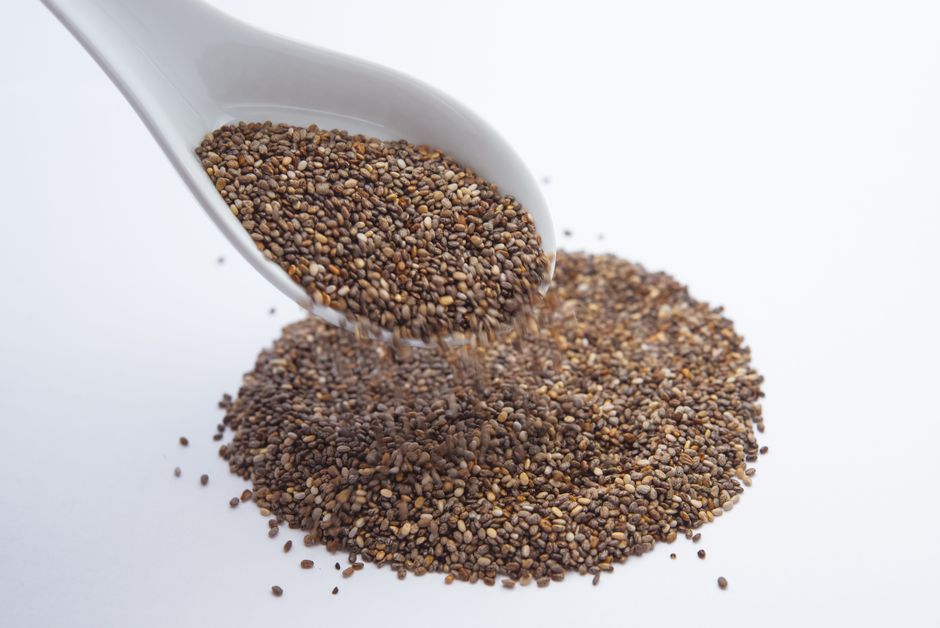
Chia seeds are tiny, nutrient-dense seeds that can be part of a healthy diet, but there is no single official daily amount. Most healthy adults can eat about 1 to 2 tablespoons (roughly 12 to 24 grams) per day, an amount that fits within common dietary patterns and provides fiber, protein, and healthy fats without causing digestive upset for most people.
That range is not a formal recommendation from any major health agency. It is a practical amount that aligns with how chia has been studied and used in everyday eating. The bigger questions are how your body handles the fiber, how much water you drink, and whether chia fits your overall diet.
How Much Chia Seeds Per Day Should You Eat?
One to two tablespoons a day is a reasonable target for most healthy adults. A single tablespoon of dry chia seeds weighs about 12 grams. Two tablespoons is about 24 grams.
That amount delivers a meaningful dose of fiber. According to USDA nutritional data, a 1-ounce (28-gram) serving of chia seeds contains about 10 grams of fiber, along with protein and alpha-linolenic acid (ALA), a plant-based omega-3 fat. So one to two tablespoons gives you roughly 4 to 9 grams of fiber depending on the exact amount.
Why not more? The main limiting factor is fiber. Eating a large amount of chia at once, especially if you are not used to it, can cause bloating, gas, and cramping. Chia also absorbs many times its weight in liquid, so it needs water to move through your system comfortably.
There is no established upper limit for chia seeds in healthy adults. That does not mean more is better. It means the research has not identified a clear danger threshold for normal food amounts, and most people do well staying in the 1 to 2 tablespoon range.
How Do You Measure a Serving of Chia Seeds?
Measuring by tablespoon is easier and more consistent than guessing by eye. Chia seeds are small and easy to over-pour.
- 1 tablespoon of dry chia seeds = about 12 grams
- 2 tablespoons = about 24 grams
- 1 ounce = 28 grams, which is a little more than 2 tablespoons
If you are tracking fiber or calories, use a measuring spoon rather than a heaping scoop. A “heaping” tablespoon can hold close to double a level one, which changes the fiber load quickly.
You can also measure in teaspoons if you are starting small. One teaspoon is about 4 grams. Starting with 1 teaspoon and building up over a week or two is a common way to let your gut adjust.
Why Does Fiber Matter So Much With Chia?
Fiber is the main reason chia needs a dose limit, and it is also the main reason people eat it. Your body cannot fully digest fiber. Instead, it moves through your digestive tract, feeding gut bacteria and adding bulk to stool.
Chia is high in soluble fiber. When mixed with liquid, soluble fiber forms a gel. That gel is why chia pudding thickens and why chia can help you feel full. This gel-forming property is well established.
The catch is that a sudden jump in fiber is hard on the gut. If you go from little fiber to 2 tablespoons of chia in one day, you may notice bloating or gas. The fix is not to avoid chia. It is to increase slowly and drink enough water.
Water matters more with chia than with most high-fiber foods. Chia can absorb roughly 10 times its weight in liquid. If you eat dry chia without enough fluid, it can feel uncomfortable and, in rare cases, contribute to digestive blockage. This is uncommon but has been reported, particularly when dry chia is eaten in large amounts with little liquid.


Does Chia Need to Be Soaked Before Eating?
Soaking is not required for safety in normal amounts, but it is gentler on the stomach. When chia soaks, it forms its gel before you eat it, which some people find easier to digest.
Dry chia is fine sprinkled on yogurt, oatmeal, or salads. If you eat it dry, drink water alongside it. Soaked chia, as in chia pudding or chia gel, already contains the liquid it needs.
There is a popular claim that chia must always be soaked or it will “expand in your throat” and choke you. That claim is overstated. The bigger practical concern is eating a large amount of dry chia quickly with no fluid, which can be uncomfortable and, rarely, cause a blockage. Normal food amounts with normal drinking are not a known choking hazard for healthy adults.
Who Should Be Careful With Chia Seeds?
Most people can eat chia, but some groups should be more cautious or talk to a clinician first.
- People with swallowing problems (dysphagia) should be careful, since dry chia can clump.
- Anyone with a history of bowel obstruction or narrowed intestines should ask a doctor before adding high-fiber seeds.
- People with diabetes should know that chia can affect blood sugar and may interact with glucose-lowering medication.
- People on blood thinners should note that chia contains ALA, a plant omega-3, and discuss high intakes with their clinician.
- People with chia allergy should avoid it. Chia allergy is uncommon but documented.
For pregnancy and breastfeeding, chia is generally considered a normal food in moderate amounts, but there are no specific clinical guidelines setting a daily chia dose for these groups. If you are pregnant or nursing, treat chia as a food, not a supplement, and keep amounts moderate.
For young children, chia can be a choking concern if given dry in large clumps. Soaked chia mixed into food is generally how it is offered, but there are no official pediatric dosing guidelines. Ask your child’s clinician if you are unsure.
Does Eating More Chia Give More Benefits?
More is not automatically better. The health benefits linked to chia come from its fiber, protein, and ALA content, and those benefits show up at ordinary food amounts.
Some studies suggest chia can modestly help with feelings of fullness and may have small effects on blood pressure or blood sugar. The evidence is mixed and the effects are generally modest, not dramatic. No large human trials have confirmed that chia prevents heart disease, reverses diabetes, or causes significant weight loss on its own.
Marketing often pushes chia as a “superfood” that does more than the evidence supports. It is a nutritious seed. It is not a treatment.
If you eat 1 to 2 tablespoons a day as part of a balanced diet, you are getting what chia realistically offers. Eating 5 tablespoons will not multiply the benefit. It will mostly multiply the fiber load and the chance of stomach upset.
How Should You Add Chia to Your Day?
Start with 1 teaspoon and increase slowly over one to two weeks. This gives your gut time to adjust to the extra fiber.
Drink water with chia, especially if you eat it dry. A common approach is to pair chia with a full glass of fluid.
Spread it out if you can. One tablespoon in the morning and one in the afternoon is easier on the gut than two at once.
Watch how your body responds. Bloating, gas, or loose stools are signs you went too fast. Pull back and rebuild more slowly. If you have persistent digestive symptoms, talk to a clinician rather than pushing through.
Remember that chia is one food among many. It does not replace variety, and it does not need to be eaten every single day to be useful.
Frequently Asked Questions
How many tablespoons of chia seeds should I eat a day?
Most healthy adults do well with 1 to 2 tablespoons (about 12 to 24 grams) per day. There is no official daily recommendation, so this is a practical range rather than a formal guideline.
Can you eat too much chia seeds?
Yes, mainly because of the fiber. Large amounts, especially eaten dry with little fluid, can cause bloating, gas, and in rare cases digestive blockage.
Should I soak chia seeds before eating them?
Soaking is not required, but it is gentler on the stomach for many people. If you eat chia dry, drink water with it.
Does chia help with weight loss?
Some studies suggest chia can modestly increase fullness, but the evidence is mixed and the effect is small. No large trials show chia causes significant weight loss on its own.
