
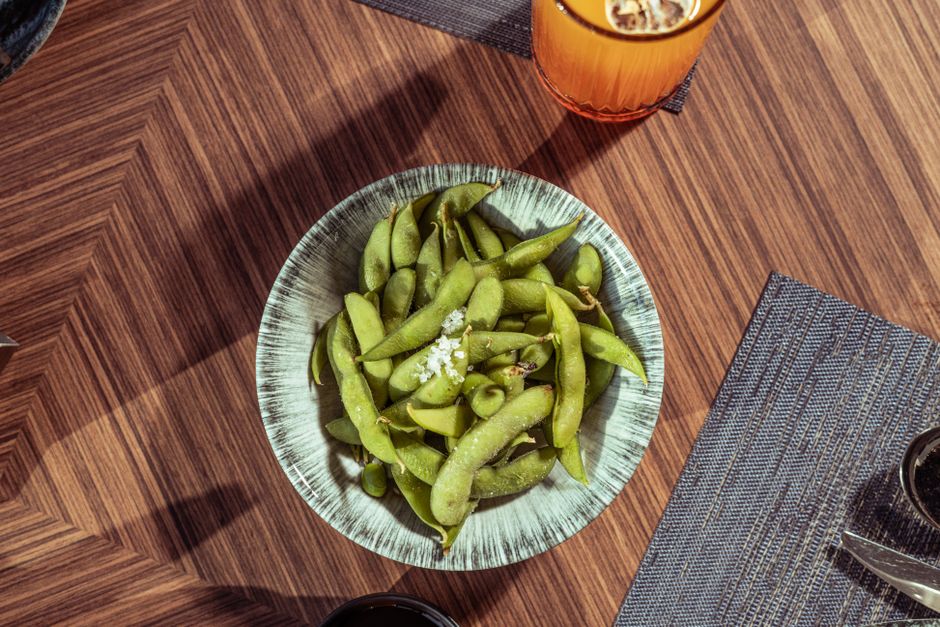
Edamame is one of the most protein-rich plant foods you can eat. A standard one-cup serving of shelled edamame provides about 18 grams of protein. That is roughly the same amount found in a large egg plus a glass of milk, but coming entirely from a soybean.
How Much Protein Is In Edamame By Serving Size?
Protein content changes depending on how you measure your serving. The most common measurements are by cup, by weight, and by individual pod.
Here is the breakdown for shelled edamame (beans removed from the pod):
- 1 cup shelled edamame (155 g): about 18 grams of protein
- Half cup shelled edamame (78 g): about 9 grams of protein
- 100 grams shelled edamame: about 11-12 grams of protein
Edamame still in the pod is a different story. The pod is not edible, so a cup of edamame in pods yields far less actual bean. A full cup of edamame in the pod weighs about the same, but after shelling you get roughly half a cup of beans. That means one cup of edamame in pods provides about 9 grams of protein, not 18.
Most nutrition labels list values for shelled edamame. If you are eating them straight from the pod, remember you are eating the whole package. A typical restaurant appetizer portion of edamame in pods contains roughly 10-12 grams of protein depending on size.
Protein Quality: Is Edamame A Complete Protein?
Edamame is one of the few plant proteins that is considered complete. That means it contains all nine essential amino acids your body cannot make on its own.
Most plant foods are missing one or more of these amino acids. Grains tend to be low in lysine. Legumes are often low in methionine. Soybeans, including edamame, contain adequate amounts of all of them.
This matters for people who eat little or no animal protein. You do not need to carefully combine different plant foods at every meal when soy is part of your diet. Your body gets the full amino acid profile it needs from edamame alone.
That said, protein quality is about more than amino acids. Digestibility matters too. Soy protein is highly digestible, with a Digestible Indispensable Amino Acid Score (DIAAS) comparable to animal proteins. For practical purposes, the protein in edamame is well used by your body.
Edamame Protein Compared To Other Foods
Putting edamame in context helps you plan meals. Here is how a half-cup serving of shelled edamame (about 9 grams of protein) compares to other common protein sources at similar calorie levels.
| Food | Serving | Protein |
|---|---|---|
| Shelled edamame | 1/2 cup | 9 g |
| Chicken breast | 2 oz | 12 g |
| Greek yogurt | 1/2 cup | 10 g |
| Egg | 1 large | 6 g |
| Black beans | 1/2 cup | 7 g |
| Lentils | 1/2 cup cooked | 9 g |
| Tofu | 3 oz | 8 g |
Edamame performs well against other legumes. It has more protein per serving than black beans or chickpeas. It also provides more protein per calorie than most other beans because it is lower in carbohydrates.
Compared to animal sources, edamame provides slightly less protein ounce for ounce. But it brings fiber, folate, vitamin K, and plant compounds that animal proteins do not offer in the same amounts.





Edamame Nutrition Beyond Protein
Protein is not the only reason edamame gets attention. A one-cup serving of shelled edamame also provides significant amounts of other nutrients.
- Fiber: about 8 grams per cup, roughly one-third of your daily need
- Folate: about 100 micrograms, a key nutrient for cell division
- Vitamin K: about 40 micrograms per cup
- Iron: about 3.5 mg per cup, more than most plant foods
- Magnesium: about 99 mg per cup
Edamame is also relatively low in calories for its protein content. A full cup of shelled edamame has roughly 190 calories. That makes it a dense nutrient package without being calorie-heavy.
Soybeans contain isoflavones, which are plant compounds that have been studied for their effects on heart health and menopausal symptoms. The evidence is mixed overall. Some studies suggest benefits, while others show little effect. What is clear is that whole soy foods like edamame are safe for most people when eaten as part of a normal diet.
Frozen, Fresh, Or Dried: Does Preparation Change Protein?
Preparation method does not meaningfully change protein content. Steaming, boiling, or roasting edamame does not destroy protein. The amino acids remain intact through normal cooking temperatures.
Frozen edamame is typically blanched before freezing. That brief heat treatment does not reduce protein. Frozen edamame has essentially the same protein content as fresh.
Dried soybeans are a different product. Fully mature soybeans contain more protein by weight than edamame because they have less water. A half-cup of cooked mature soybeans provides about 15 grams of protein. But edamame is harvested young, when the bean is still green and moist. That is why its protein is lower per cup than mature soybeans.
One warning: flavored edamame products can change the nutrition picture. Snack edamame coated in oil, salt, or sugar adds calories without adding protein. Check labels if you are buying prepared edamame snacks. The protein may stay the same, but the overall calorie and sodium content can rise sharply.
How Much Edamame Should You Eat For Protein?
There is no single answer that fits everyone. Protein needs vary by body weight, activity level, and age. The general recommendation for adults is about 0.8 grams of protein per kilogram of body weight per day. That translates to roughly 55 grams for a 150-pound person and 65 grams for a 180-pound person.
People who are active, older, or trying to build muscle often need more. Some experts suggest 1.2 to 1.6 grams per kilogram for these groups.
For most adults, eating a cup of shelled edamame provides about one-third of daily protein needs. That is a substantial contribution from a single side dish. Two cups would cover more than half of daily needs for most people.
The practical limit is not protein but calories and fiber. A sudden large increase in fiber intake can cause bloating and gas. If you are not used to eating beans, start with a half-cup serving and increase gradually.
Edamame For Muscle Building And Weight Management
Research on soy protein for muscle building shows it works, though it may be slightly less effective than whey protein. A 2017 meta-analysis published in the Journal of the International Society of Sports Nutrition found that soy protein supplementation increased muscle mass and strength in response to resistance training, but the effects were smaller than those seen with whey. The difference is modest and may not matter for most people.
For weight management, edamame has useful properties. The combination of protein and fiber increases fullness more than either nutrient alone. Studies consistently show that high-protein, high-fiber foods reduce subsequent calorie intake. Edamame fits that profile well.
One cup of shelled edamame has about 190 calories and 18 grams of protein. That is a high protein-to-calorie ratio for a plant food. For comparison, a cup of cooked quinoa has about 220 calories and 8 grams of protein. Edamame delivers more than twice the protein for fewer calories.
Who Should Be Careful With Edamame?
Most people can eat edamame without concern. However, a few groups should pay attention.
People with soy allergy must avoid edamame completely. Soy is one of the major food allergens. Reactions can range from mild itching to anaphylaxis. If you have a diagnosed soy allergy, edamame is not safe for you.
People with thyroid conditions sometimes worry about soy. Soy contains goitrogens, compounds that can interfere with thyroid function in large amounts. The clinical evidence shows that normal dietary intake of soy does not cause thyroid problems in people with healthy thyroids. For people taking thyroid medication, soy can affect absorption. The common advice is to take thyroid medication on an empty stomach and wait at least 30-60 minutes before eating. This is standard guidance for many foods and medications, not a unique concern with edamame.
People with irritable bowel syndrome or sensitive digestion may find edamame triggers symptoms. The fiber and certain carbohydrates in soybeans can ferment in the gut. If beans cause you digestive trouble, start small and see how your body responds.
Simple Ways To Add Edamame To Your Diet
Edamame is versatile and requires almost no preparation. Here are practical ways to include it:
- Steam shelled edamame and add it to salads for a protein boost
- Blend shelled edamame into hummus in place of chickpeas
- Toss edamame into stir-fries during the last minute of cooking
- Add it to grain bowls with rice or quinoa
- Puree edamame with olive oil and lemon for a quick dip
- Snack on steamed pods sprinkled with sea salt
Frozen shelled edamame is the most convenient option. It cooks in about five minutes in boiling water or a microwave. You can add it directly to soups and stews without thawing.
Edamame is not a complete meal by itself. It is low in certain nutrients like vitamin C and calcium. But as a protein source, it is hard to beat among plant foods. Whether you are vegetarian, reducing meat intake, or just looking for variety, edamame delivers reliable protein with a short ingredient list.
Frequently Asked Questions
How much protein is in a cup of edamame?
One cup of shelled edamame contains about 18 grams of protein. One cup of edamame still in the pods contains about 9 grams because the pods are not edible.
Is edamame a complete protein?
Yes, edamame is one of the few plant proteins that contains all nine essential amino acids. This makes it a complete protein comparable in quality to animal sources.
Does cooking edamame reduce its protein?
No, normal cooking methods like boiling or steaming do not reduce protein content. Frozen edamame has the same protein as fresh.
Is edamame good for building muscle?
Yes, research shows soy protein supports muscle building, though the effect may be slightly smaller than whey protein. Combined with resistance training, edamame can contribute meaningfully to muscle gain.
