
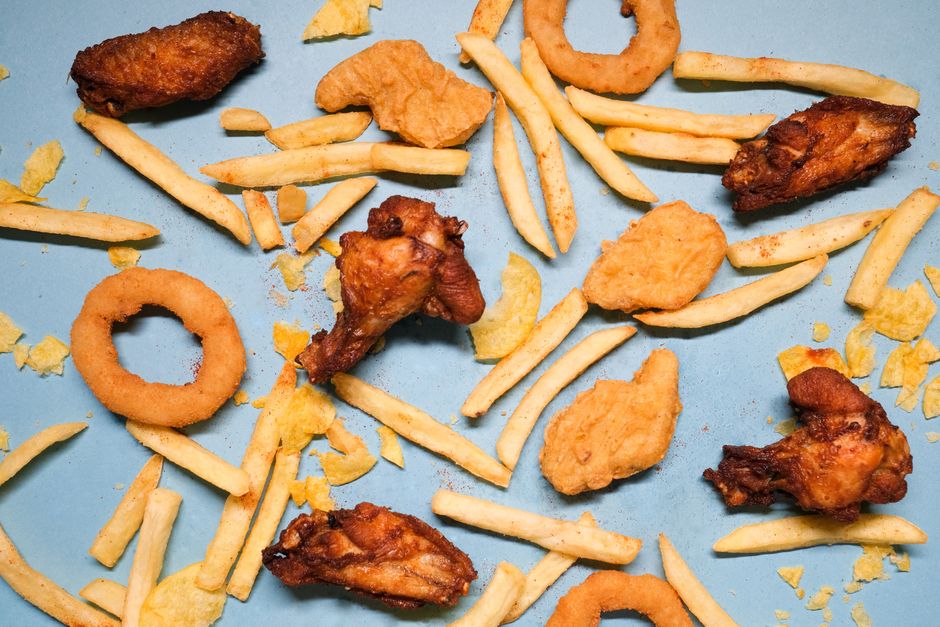
A single cooked chicken wing with the skin on contains roughly 80 to 100 calories. The exact number depends on the size of the wing and how it is prepared. A fried wing will have more calories than a baked or grilled one because it absorbs cooking oil. If you remove the skin before eating, you cut the calorie count nearly in half.
What Is the Calorie Breakdown of a Chicken Wing?
Chicken wings are mostly protein and fat. The skin is where most of the fat lives. A typical whole wing — including the drumette, wingette, and tip — weighs about 3.5 ounces when raw. Once cooked and deboned, the edible portion is closer to 1 ounce.
That 1 ounce of meat and skin delivers about 80 to 100 calories. The protein content is around 6 grams. The fat content is around 6 to 7 grams. There are no carbohydrates in a plain chicken wing.
Skinless wings tell a different story. Without the skin, the same amount of meat drops to roughly 40 to 50 calories. The fat drops to about 2 grams. Protein stays close to 6 grams.
The wing tip — the flat, pointed end — has almost no meat. Most of its weight is skin and bone. If you are counting calories closely, the wingette and drumette are the parts worth measuring.
How Much Does Cooking Method Change the Calories?
Cooking method matters more than most people expect. A plain baked wing is close to its natural calorie count. A fried wing picks up extra oil, and that oil is pure fat.
Fried wings typically land in the 90 to 120 calorie range per whole wing. The exact number depends on the batter or breading. A heavily breaded wing from a restaurant can reach 150 calories or more.
Baked or grilled wings with no added oil stay closer to 80 to 90 calories each. Air-fried wings fall in a similar range, usually around 85 to 100 calories, depending on how much oil you use.
Buffalo wings add another layer. Traditional Buffalo sauce is made with hot sauce and butter. Two tablespoons of butter add roughly 200 calories across a batch of wings. That works out to about 10 to 15 extra calories per wing, depending on how much sauce clings to the meat.
Dry rubs — spices like paprika, garlic powder, and cayenne — add almost no calories. If you want flavor without the calorie load, a dry rub is the better choice.
What Is the Difference Between Wing Portions?
Restaurants and grocery stores sell wings in different forms. The word “wing” can mean different things depending on where you buy it.
A whole wing includes three parts: the drumette, the wingette (also called the flat), and the tip. When you buy “party wings” or “wing sections,” you are getting wings that have been split. The drumette is separated from the wingette, and the tip is usually discarded.
Each drumette weighs about 1 ounce cooked and has roughly 50 to 60 calories. Each wingette is similar in weight and calories. If a restaurant menu lists “boneless wings,” those are not wings at all. They are typically chunks of chicken breast that are breaded and fried. A single boneless wing can range from 60 to 100 calories, but that number depends heavily on the breading and portion size.
When someone says they ate “10 wings,” they usually mean 10 wing sections — not 10 whole wings. That distinction matters for calorie counting. Ten whole wings would be roughly 800 to 1,000 calories. Ten wing sections would be closer to 500 to 600 calories.





How Many Calories Are in Restaurant Wings?
Restaurant wings are harder to estimate because portion sizes vary widely. A chain restaurant wing can weigh twice as much as a wing from another place. Sauces and breading add calories that are difficult to predict.
Some restaurant nutrition information lists a single wing at 100 to 130 calories. That figure usually includes the sauce. If you order wings “naked” or “unbreaded” with sauce on the side, you have more control over the final count.
Keep in mind that restaurants often serve wings with ranch or blue cheese dressing. Two tablespoons of ranch dressing add about 130 calories. Two tablespoons of blue cheese dressing add about 150 calories. The dipping sauce can easily double the calorie count of your meal.
If you are tracking calories and eating out, ask for the nutrition information before you order. Most major chains publish this data online. If the information is not available, assume a conservative estimate of 100 to 130 calories per sauced wing.
How Do Chicken Wings Compare to Other Cuts?
Chicken wings are not the highest-calorie cut of the chicken, but they are not the leanest either. The comparison depends on whether you keep the skin on.
Chicken breast is the leanest option. A 3-ounce serving of skinless, cooked chicken breast has about 140 calories and 3 grams of fat. The same amount of skinless wing meat has about 100 calories and 4 grams of fat.
Chicken thighs are closer to wings in calorie content. A 3-ounce serving of skinless thigh meat has about 180 calories and 10 grams of fat. With the skin on, thighs climb to roughly 230 calories for the same portion.
Wings sit between breast and thigh on the calorie scale. The main issue with wings is portion size. A single wing is small, so it is easy to eat six, eight, or twelve of them without noticing. The same weight of chicken breast would be one or two pieces, which feels more filling.
If you are comparing protein per calorie, chicken breast wins. If you are comparing flavor and satisfaction, wings are harder to beat. Neither choice is wrong — it depends on your goals.
How Can You Estimate Calories in Homemade Wings?
Weighing your food is the most accurate method. A kitchen scale removes the guesswork. Weigh the wings raw, note the total, and divide by the number of wings you plan to eat.
Raw chicken wing meat has about 200 calories per 3.5 ounces. That figure includes the skin and bone. If you weigh the whole wing raw, you can estimate roughly 100 calories per 3.5-ounce portion.
If you do not have a scale, use visual cues. A cooked wing about the size of your thumb from the base to the first knuckle is roughly 1 ounce of edible meat. That portion is about 50 calories with the skin.
When you cook at home, you control the oil. A light spray of cooking oil adds about 10 to 20 calories per wing. Deep frying adds significantly more. Baking or air frying with minimal oil keeps the count closest to the natural calorie content.
Sauce is the final variable. Measure your sauce rather than pouring it freely. Two tablespoons of most Buffalo sauces add about 25 to 50 calories, depending on the butter content. A thick barbecue sauce can add 60 to 70 calories for the same amount.
Do Chicken Wings Fit Into a Weight Loss Plan?
Yes, but portion control is essential. Wings are calorie-dense because of the skin and fat. Eating them occasionally is not a problem. Eating a dozen fried wings with ranch dressing on a regular basis will likely work against weight loss goals.
Research consistently shows that high-protein foods support satiety — they help you feel full longer. Chicken wings provide protein, but they also provide fat. Fat is calorie-dense, so the same weight of wing meat delivers more calories than the same weight of breast meat.
The practical approach is to treat wings as a treat rather than a staple. If you want to include them regularly, choose baked or air-fried wings without breading. Use a dry rub instead of a butter-based sauce. Skip the ranch or blue cheese, or use a small measured portion.
One serving of wings — about four to six sections — fits reasonably into a 2,000-calorie daily diet. That serving provides roughly 300 to 500 calories, depending on preparation. Pair them with vegetables or a salad to round out the meal.
Are Frozen or Pre-Cooked Wings Different?
Frozen wings vary widely depending on the product. Plain frozen wings that you cook yourself are nutritionally similar to fresh wings. Breaded frozen wings are a different story.
Check the nutrition label on any packaged wing product. Breaded and pre-sauced frozen wings often contain added sugar, sodium, and flour. A single breaded wing can have 130 to 180 calories — significantly more than a plain wing.
The label is the only reliable source for packaged foods. It lists calories per serving and tells you how many wings count as a serving. Many frozen wing products list a serving as three to five wings, which can be misleading if the wings are large.
If you are making wings from scratch, you have the most control. If you are buying pre-made wings, read the label and measure your portion carefully.
Frequently Asked Questions
How many calories are in one plain chicken wing?
One plain cooked chicken wing with skin has about 80 to 100 calories. Without the skin, it drops to roughly 40 to 50 calories.
How many calories are in 10 chicken wings?
Ten whole wings with skin contain about 800 to 1,000 calories. Ten wing sections — drumettes and flats — contain about 500 to 600 calories.
Are fried chicken wings higher in calories than baked wings?
Yes. Fried wings absorb cooking oil, adding about 10 to 30 calories per wing compared to baked or grilled wings. Breading adds even more.
Do chicken wings have carbohydrates?
Plain chicken wings have no carbohydrates. Breaded wings and sweet sauces like barbecue add carbohydrates.
