
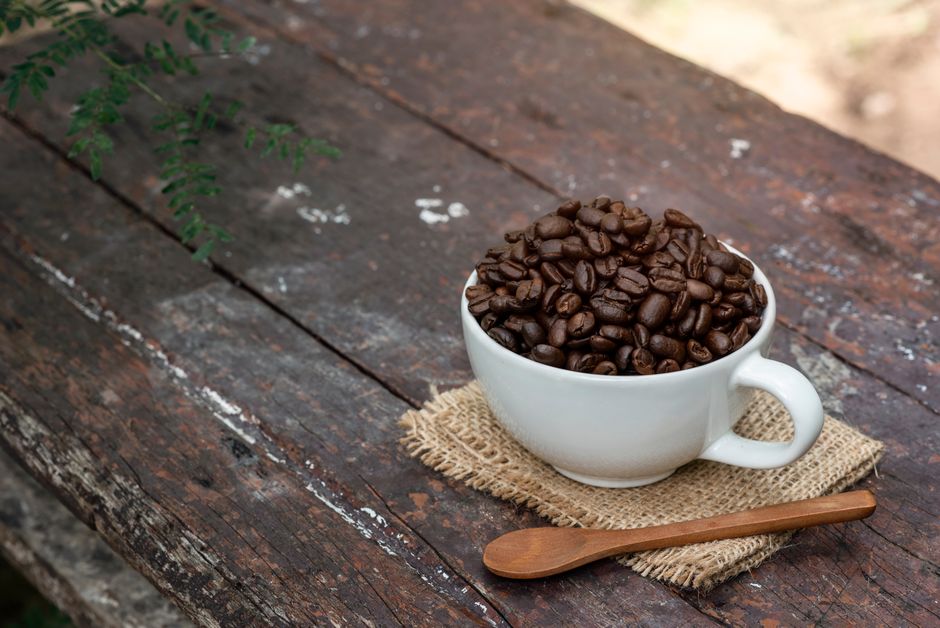
Decaf coffee is not caffeine-free. A standard 8-ounce cup of decaf contains 2 to 15 milligrams of caffeine. That is about 97% less than regular coffee, which has 95 to 200 milligrams per cup. Most people will not feel the effects of this small amount, but it matters for those who are very sensitive or have been told to avoid caffeine entirely.
How Much Caffeine Is In Decaf Coffee?
The exact number depends on the brand, the bean type, and the decaffeination method. The U.S. Food and Drug Administration (FDA) requires that decaf coffee remove at least 97% of its original caffeine. That means a cup of decaf can legally have up to 3 milligrams of caffeine per 8-ounce serving. In practice, many cups contain more than that.
A 2020 study in the Journal of Analytical Toxicology tested 10 decaf coffees from popular chains. They found caffeine levels ranging from 8 to 14 milligrams per 8-ounce cup. One sample had 15 milligrams. That is roughly the same amount of caffeine found in a square of dark chocolate or a half-can of soda.
If you drink multiple cups of decaf throughout the day, the caffeine adds up. Three cups of higher-caffeine decaf could deliver 45 milligrams of caffeine. That is enough to affect sleep or anxiety in some people.
How Is Caffeine Removed From Coffee Beans?
There are three main methods used to remove caffeine from green coffee beans. All of them start by soaking the beans in hot water to open their pores. Then a solvent or gas is used to pull the caffeine out.
The most common method uses methylene chloride or ethyl acetate. These chemicals bind to caffeine molecules and are then washed away. The beans are steamed again to remove any leftover solvent. The FDA considers these methods safe, and the solvent levels in finished coffee are extremely low.
The Swiss water process uses only water and a charcoal filter. The beans are soaked in water, which draws out caffeine and flavor compounds. The water is then passed through a carbon filter that traps caffeine molecules. The flavor-rich water is reused for the next batch. This method is chemical-free but more expensive.
Carbon dioxide (CO2) decaffeination uses pressurized CO2 gas to pull caffeine from the beans. The CO2 acts like a solvent but leaves no residue. This method is common for commercial decaf production but is less used for small batches.
| Decaffeination Method | Solvent Used | Residual Caffeine Range |
|---|---|---|
| Direct solvent (methylene chloride) | Chemical solvent | 2–7 mg per cup |
| Direct solvent (ethyl acetate) | Natural solvent from fruit | 2–7 mg per cup |
| Swiss water process | Water and carbon filter | 2–5 mg per cup |
| CO2 process | Pressurized carbon dioxide | 2–5 mg per cup |
No method removes 100% of the caffeine. The amount left behind depends on how long the beans are processed and how many times they are treated. Some specialty decaf coffees are processed multiple times to get caffeine levels as low as possible.
Does the Type of Bean or Roast Affect Caffeine Content in Decaf?
Yes, but the difference is small. Arabica beans naturally have less caffeine than Robusta beans. That difference carries over into decaf. A decaf made from Robusta beans will have slightly more caffeine than one made from Arabica beans, assuming the same decaffeination process.
Roast level does not change caffeine content in any meaningful way. The common myth that dark roast has less caffeine is false. The roasting process burns off moisture, not caffeine. A dark roast bean weighs less than a light roast bean, so by weight it may have slightly more caffeine. By volume, the difference is negligible.
The biggest factor is the decaffeination method itself. A batch that is processed twice or uses the Swiss water method will have less caffeine than a batch that is processed once with a chemical solvent. If you are trying to minimize caffeine, look for decaf labeled “Swiss water processed” or “99.9% caffeine-free.”
What Does Research on Decaf Caffeine Levels Show?
Several studies have tested decaf coffee from stores and cafes. The results are consistent: most decaf contains more caffeine than the label suggests. The FDA allows decaf to be labeled as such if it has 97% less caffeine than regular coffee. But the FDA does not test every batch.
A 2006 study in the Journal of Analytical Toxicology tested 10 decaf samples from coffee shops. Nine of them had caffeine levels above 3 milligrams per cup. One had 13.9 milligrams. A 2010 study from the same journal found similar results. The highest decaf sample had 13.4 milligrams per 8 ounces.
Starbucks decaf brewed coffee has been tested at around 15 milligrams per 8-ounce cup. That is about 10 times more than some other brands. Dunkin’ Donuts decaf tested at around 10 milligrams per cup. These numbers are still low compared to regular coffee, but they are not zero.
The takeaway is that decaf is not a caffeine-free drink. If you are avoiding caffeine for medical reasons, you should know that a single cup of decaf may still contain enough to cause effects. The caffeine content varies by brand and by batch.
Can Decaf Coffee Cause Caffeine Side Effects?
For most people, no. The amount of caffeine in decaf is too low to cause jitters, anxiety, or sleep problems. The average person would need to drink 10 to 20 cups of decaf to get the caffeine equivalent of one cup of regular coffee.
But some people are more sensitive. People with certain health conditions, such as anxiety disorders or arrhythmias, may notice effects from as little as 10 to 20 milligrams of caffeine. Pregnant women are often advised to limit caffeine to 200 milligrams per day. A few cups of decaf will not come close to that limit, but it is not zero.
People who take certain medications may also be affected. Caffeine can interact with some drugs, including some antibiotics and asthma medications. If you have been told to avoid caffeine entirely, decaf is not safe for you. You should choose caffeine-free herbal teas or roasted grain beverages instead.
- People with anxiety disorders may feel effects from 10–20 mg of caffeine
- Pregnant women can safely drink decaf but should count it toward total daily caffeine
- People on certain medications should check with their doctor about decaf
- Those with caffeine sensitivity may experience sleep disruption from multiple cups
What to Look For When Buying Decaf Coffee
If you want the lowest possible caffeine content, look for decaf labeled “Swiss water processed” or “99.9% caffeine-free.” These products have been tested by the manufacturer and typically have the lowest residual caffeine levels. They also avoid chemical solvents, which some people prefer for taste reasons.
Be aware that “naturally decaffeinated” is not a regulated term. Some brands use it to mean ethyl acetate processing, which is derived from fruit. Others use it for the Swiss water process. The term alone does not tell you how much caffeine is left.
If you buy decaf from a coffee shop, ask about their source. Large chains like Starbucks and Dunkin’ have published caffeine data. Smaller roasters may not test their decaf. You can also request a single-serve packet of decaf from a brand that publishes test results.
Store-bought decaf ground coffee usually has a caffeine content listed on the packaging. The number is an estimate, not a guarantee. If you are very sensitive, you can brew a weaker cup by using less coffee grounds or a shorter steeping time. But that will also reduce flavor.
Frequently Asked Questions
Does decaf coffee have any caffeine?
Yes, decaf coffee still contains 2 to 15 milligrams of caffeine per 8-ounce cup. It is not caffeine-free, only reduced by about 97% compared to regular coffee.
How much caffeine is in a cup of Starbucks decaf?
Starbucks decaf brewed coffee has been tested at around 15 milligrams per 8-ounce cup. That is higher than most other brands but still very low compared to regular coffee.
Can I drink decaf coffee while pregnant?
Yes, in moderation. The American College of Obstetricians and Gynecologists recommends limiting caffeine to 200 milligrams per day. Decaf contains only a small fraction of that amount.
Which decaf coffee has the least caffeine?
Swiss water processed decaf typically has the lowest caffeine levels, often 2 to 5 milligrams per cup. Look for labels that say “99.9% caffeine-free” for the lowest option.
