
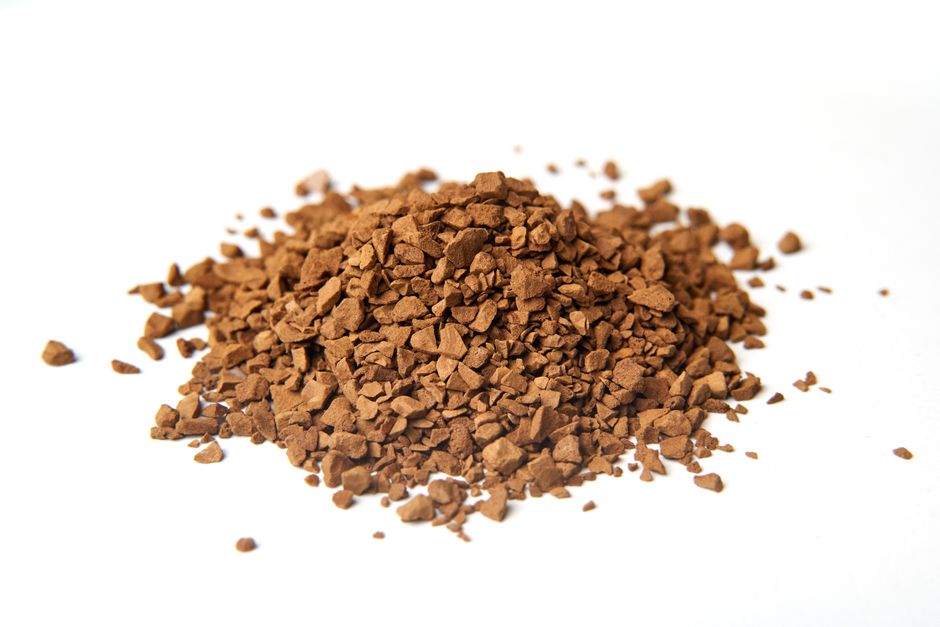
Soluble coffee is simply coffee that has been brewed and then processed into a dry concentrate, usually a powder or granules. You add hot water to it, and it dissolves instantly to make a cup of coffee. It is often called instant coffee, and it offers a convenient way to make a single cup without needing a coffee maker or filter.
What Is Soluble Coffee Definition Uses And Nutrition?
Soluble coffee is the dehydrated form of brewed coffee. The brewing process extracts the flavor and caffeine from roasted coffee beans. Then, manufacturers remove the water from that liquid, leaving behind the soluble solids. When you add water back, it rehydrates and becomes a drinkable coffee.
The main use is convenience. It dissolves quickly in hot or cold water, making it popular for travel, camping, or quick breakfasts. Nutritionally, a standard cup of black instant coffee is very low in calories, containing nearly zero calories, fat, or sugar. The primary nutrient of interest is caffeine, which varies by brand and brewing strength.
How Is Soluble Coffee Made?
The process starts with roasting and grinding coffee beans, just like regular coffee. The ground beans are then brewed in large industrial extractors to create a highly concentrated coffee liquid. This liquid is then processed to remove the water, leaving only the coffee solids.
There are two main methods for removing the water. The first is spray drying, where the liquid is sprayed into a chamber of hot air. The water evaporates quickly, leaving fine powder. The second is freeze drying, where the liquid is frozen and then placed in a vacuum. The ice turns directly into vapor, leaving larger, more aromatic granules. Freeze-dried coffee is often considered higher quality because it preserves more of the volatile flavor compounds.
Is Soluble Coffee as Healthy as Regular Brewed Coffee?
In most ways, yes. The basic nutritional profile is nearly identical. Both are primarily water and contain similar amounts of caffeine per cup, assuming you use the recommended amount of instant coffee. The antioxidants present in regular coffee are also present in instant coffee, though some research suggests the processing may reduce their levels slightly.
There is one notable difference. Instant coffee generally contains about half the caffeine of a comparable cup of brewed coffee. A standard cup of instant coffee typically has around 60-80 mg of caffeine, while a cup of drip coffee has around 100-140 mg. If you are sensitive to caffeine, this can be an advantage. If you rely on coffee for a strong energy boost, you may need to use more instant coffee or choose a stronger brand.





Does Soluble Coffee Contain Acrylamide?
Yes, it does. Acrylamide is a chemical that forms naturally when coffee beans are roasted. The high heat of roasting triggers a reaction between sugars and an amino acid called asparagine. This is the same reaction that creates the brown color and roasted flavor in coffee.
Instant coffee has been found to contain higher levels of acrylamide than freshly brewed coffee. This is because the beans are roasted at high temperatures and then processed further. The International Agency for Research on Cancer classifies acrylamide as a probable human carcinogen, but the levels found in coffee are low. Studies have not shown a clear link between coffee consumption and increased cancer risk in humans. In fact, many large reviews have found that coffee consumption is associated with a lower risk of certain cancers.
What Are the Advantages and Disadvantages of Instant Coffee?
The biggest advantage is convenience. You do not need a coffee maker, filter, or grinder. You just need a cup, hot water, and a spoon. It is also shelf-stable and lightweight, making it ideal for travel, emergency kits, or office desks where space is limited.
Another advantage is portion control. You can make a very weak cup or a very strong cup by simply adjusting the amount of powder you use. This is harder to do with a standard coffee maker.
The main disadvantage is flavor. Many people find instant coffee tastes less rich and aromatic than freshly brewed coffee. The processing removes many of the delicate oils and flavor compounds that give brewed coffee its complexity. Some brands have improved this with freeze-drying and better bean selection, but it still generally does not match fresh coffee.
Cost is another factor. Per serving, instant coffee can be more expensive than brewing your own ground coffee, especially if you buy premium brands.
How Does Soluble Coffee Compare to Other Coffee Types?
Instant coffee sits at one end of the convenience spectrum. On the other end is whole bean coffee, which requires grinding and brewing. Between them are ground coffee, single-serve pods, and cold brew concentrates.
Here is a quick comparison of the main coffee forms:
| Coffee Type | Prep Time | Caffeine per Cup | Flavor Profile |
|---|---|---|---|
| Instant Coffee | Under 1 minute | 60-80 mg | Mild, less complex |
| Drip Brewed | 5-10 minutes | 100-140 mg | Rich, full-bodied |
| French Press | 4-5 minutes | 80-120 mg | Heavy, oily, bold |
| Espresso | 1-2 minutes | 60-70 mg per shot | Intense, concentrated |
| Cold Brew | 12-24 hours | 150-200 mg per cup | Smooth, low acidity |
The caffeine values are approximate and vary by brand, bean type, and brew strength. The key takeaway is that instant coffee is not nutritionally inferior. It is just a different delivery method.
Can You Use Soluble Coffee for Cooking and Baking?
Yes, and this is a common use that surprises people. Instant coffee granules dissolve easily into liquids, making them ideal for adding coffee flavor to recipes without adding extra water. This is useful when you want a concentrated coffee taste in cakes, sauces, or marinades.
For example, a teaspoon of instant coffee can be dissolved directly into hot chocolate, a chocolate cake batter, or a barbecue sauce. It adds depth and a roasted note without changing the liquid balance of the recipe. Some people also use it to make a quick iced coffee by dissolving it in a small amount of hot water and then adding cold milk and ice.
Does Instant Coffee Affect Sleep or Anxiety?
Like any caffeinated beverage, instant coffee can affect sleep if consumed late in the day. Caffeine has a half-life of about 5-6 hours, meaning half of the caffeine is still in your system after that time. If you drink a cup at 4 PM, a significant portion of that caffeine is still active at 10 PM.
For people with anxiety disorders or sensitivity to stimulants, caffeine can worsen symptoms like jitteriness, rapid heartbeat, and restlessness. Because instant coffee has less caffeine per cup than brewed coffee, it may be a gentler option for these individuals. However, the effect varies widely from person to person based on genetics, tolerance, and how fast your body metabolizes caffeine.
If you are pregnant, the general clinical guidance is to limit caffeine intake. Most health organizations advise keeping total daily caffeine under 200 mg during pregnancy. This means one or two cups of instant coffee is generally within that range, but you should count all sources of caffeine, including tea, soda, and chocolate.
Is There a Difference Between Instant Coffee and Freeze-Dried Coffee?
Freeze-dried coffee is a type of instant coffee. The term refers to the method used to remove water from the brewed liquid. Freeze-drying is a gentler process than spray drying because it happens at lower temperatures. This preserves more of the delicate flavor compounds and produces larger, more attractive granules.
Spray-dried coffee is typically a fine powder and is often used in lower-cost instant coffees. The high heat of spray drying can drive off some of the aromatic oils, resulting in a flatter taste. If you are buying instant coffee, checking the label for “freeze-dried” is often a good indicator of better quality.
What Is the Environmental Impact of Instant Coffee?
Instant coffee has a mixed environmental profile. On one hand, it uses less packaging than single-serve pods, which are notoriously wasteful. A jar of instant coffee can last for weeks and uses only glass or plastic plus a metal lid.
On the other hand, the manufacturing process is energy-intensive. Spray drying and freeze drying require significant amounts of electricity to heat or cool large volumes of liquid. Also, the coffee itself is often sourced from large-scale farms, where sustainability practices vary widely. If environmental impact matters to you, look for instant coffee brands that carry Fair Trade or Rainforest Alliance certifications, which indicate more responsible sourcing.
Frequently Asked Questions
Is instant coffee real coffee?
Yes, it is real coffee that has been brewed and then dehydrated into a concentrate.
Does instant coffee have less caffeine than regular coffee?
Yes, a standard cup of instant coffee typically contains about half the caffeine of a comparable cup of brewed coffee.
Can you drink instant coffee while pregnant?
Most health authorities recommend limiting total caffeine to under 200 mg per day during pregnancy, and one cup of instant coffee is generally within that limit.
Why does instant coffee taste different from brewed coffee?
The dehydration process removes many of the volatile oils and aromatic compounds that give freshly brewed coffee its complex flavor.
