
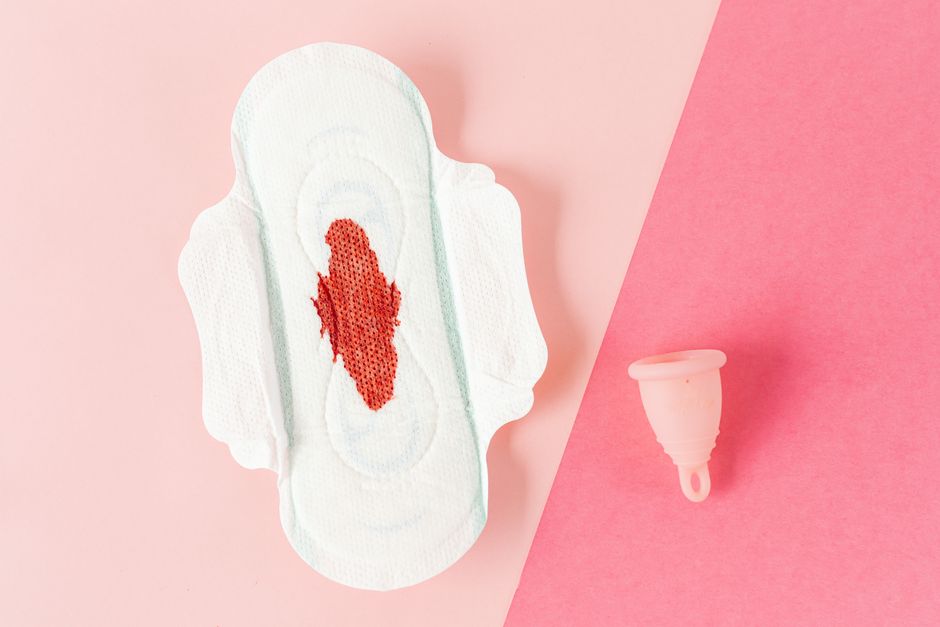
You notice a dark red blob on your pad or in the toilet and wonder if something is wrong. Passing blood clots during your period is usually normal. The reason you get blood clots during your period is that your body releases natural anticoagulants to keep menstrual blood flowing. When flow is heavy, these substances get overwhelmed, and blood clots form before leaving your body. Most clots are harmless, but knowing the difference between normal and concerning clots matters for your health.
What Causes Blood Clots During Your Period?
Your menstrual blood contains both blood and tissue from your uterine lining. Your body produces anticoagulants — chemicals that prevent blood from clotting — to keep this mixture liquid enough to flow out. This is the same system that keeps blood moving through your veins.
When your period is heavy, the blood leaves your uterus faster than your body can produce enough anticoagulants. The blood starts to clot inside the uterus or vagina before it exits. This is the same process that happens when you cut your skin. Platelets and proteins in the blood form a clot to stop bleeding.
The size and frequency of clots depend on how fast the blood flows. Research published in the journal Obstetrics & Gynecology found that women with heavier menstrual flow pass more and larger clots. The study measured blood loss and found that clots appeared consistently when total blood loss exceeded 80 milliliters per cycle.
Prostaglandins also play a role. These hormone-like substances control the contractions that shed your uterine lining. Higher levels of prostaglandins mean stronger contractions and faster shedding. This can increase the speed of blood flow and reduce the time your body has to prevent clotting.
When Are Period Blood Clots Normal?
Normal menstrual clots are dark red or maroon. They look like jelly or soft tissue. They are usually smaller than a quarter in size. Passing a few small clots during the first two days of your period is common and not a cause for alarm.
The American College of Obstetricians and Gynecologists states that clots smaller than one inch in diameter are typically normal. Your body is simply shedding the lining it built up during your cycle. The clots are a mixture of blood, tissue, and mucus from the cervix.
You may notice more clots when you first stand up after lying down or sitting for a while. Blood pools in the vagina or upper cervix during rest. When you stand, gravity pulls it out all at once. This pooled blood has had time to clot, so it comes out as a larger clump.
Normal clots break apart easily when you touch them. They do not have a strong odor. They are not accompanied by severe pain that stops you from daily activities. If your clots fit this description, your body is likely working as it should.
What Causes Heavy Bleeding and Large Clots?
Some women pass clots larger than a quarter or the size of a golf ball. This usually means your menstrual flow is heavier than average. Heavy menstrual bleeding, called menorrhagia, affects about 1 in 5 women in the United States according to the CDC.
Several medical conditions can cause heavy bleeding and large clots:
- Uterine fibroids — Noncancerous growths in the uterine wall. They increase the surface area of the lining, causing more bleeding. Fibroids are common in women in their 30s and 40s.
- Endometriosis — Tissue similar to the uterine lining grows outside the uterus. This can cause heavy bleeding and large clots along with pelvic pain.
- Polycystic ovary syndrome (PCOS) — Hormonal imbalance can cause irregular, heavy periods with large clots.
- Adenomyosis — The uterine lining grows into the muscular wall of the uterus. This increases bleeding and cramping.
- Thyroid disorders — Both overactive and underactive thyroid can disrupt menstrual cycles and cause heavy flow.
- Blood clotting disorders — Conditions like von Willebrand disease affect your blood’s ability to clot properly. Women with these disorders often have heavy periods from their first cycle.
A study in the journal Human Reproduction Update found that women with von Willebrand disease are three times more likely to report heavy menstrual bleeding compared to women without the condition.





How Do Hormonal Changes Affect Clotting?
Your menstrual cycle is controlled by estrogen and progesterone. These hormones regulate how thick your uterine lining grows each month. When hormone levels are out of balance, the lining can grow thicker than normal.
A thicker lining means more tissue and blood to shed when your period starts. Your body has a harder time keeping up with the anticoagulant demand. This leads to more clots.
Perimenopause is a common time for hormonal shifts. Women in their late 30s to early 50s often experience heavier periods and more clots as estrogen levels fluctuate. The same study in Obstetrics & Gynecology noted that women over 40 reported larger clots more frequently than younger women.
Hormonal birth control methods affect clotting differently. Birth control pills, patches, and rings typically reduce the thickness of the uterine lining. This leads to lighter periods with fewer clots. The IUD that releases hormones works the same way.
Copper IUDs, which do not release hormones, can cause heavier periods and more clots. Some women report passing clots for the first time after getting a copper IUD inserted. This is a known side effect that usually improves after six to twelve months.
What Does Research on Period Blood Clots Show?
Research on menstrual blood clots is limited compared to other gynecological topics. Most studies focus on heavy menstrual bleeding rather than clots specifically. But the available evidence gives clear guidance.
A 2020 review in the Journal of Women’s Health looked at data from over 2,000 women. The researchers found that women who passed clots larger than one inch were more likely to have uterine fibroids or adenomyosis. They recommended ultrasound imaging for women who consistently pass large clots.
The same review found that iron deficiency anemia was more common in women who reported frequent large clots. This makes sense — larger clots mean more blood loss. Your body needs iron to make new red blood cells. Heavy periods can deplete your iron stores over time.
Research from the National Institutes of Health shows that tracking clot size and frequency can help doctors diagnose underlying conditions. Women who described their clots as “larger than a grape” were more likely to have abnormal findings on ultrasound compared to women with smaller clots.
One thing researchers agree on: the color of menstrual clots matters less than the size and frequency. Dark red or maroon clots are normal. Bright red clots can mean active bleeding. Gray or yellowish clots with a foul odor may indicate infection and need medical attention.
What Treatments Help Reduce Period Clots?
Treatment depends on the underlying cause. If your clots are normal and you have no other symptoms, no treatment is needed. If heavy bleeding and large clots affect your quality of life, several options exist.
Nonsteroidal anti-inflammatory drugs (NSAIDs) like ibuprofen reduce prostaglandin production. This decreases both cramping and blood flow. A study in Obstetrics & Gynecology found that ibuprofen reduced menstrual blood loss by 20 to 40 percent in women with heavy periods. Taking it at the first sign of bleeding works best.
Hormonal birth control is another option. Pills, patches, rings, and hormonal IUDs all thin the uterine lining. The hormonal IUD is especially effective. Research shows it reduces menstrual blood loss by up to 90 percent within six months of insertion.
Tranexamic acid is a medication that helps blood clot normally. It does not affect hormones. You take it only during your period. The FDA approved it for heavy menstrual bleeding. Clinical trials show it reduces blood loss by 30 to 50 percent.
For women with fibroids, treatment options include medication, minimally invasive procedures, or surgery. Myomectomy removes fibroids while leaving the uterus intact. Uterine artery embolization blocks blood flow to fibroids, causing them to shrink.
Surgery is rarely the first choice. Hysterectomy removes the uterus entirely and stops periods completely. This is only recommended when other treatments have failed and the woman does not want future pregnancies.
When Should You See a Doctor About Period Clots?
Some signs warrant a medical visit. The CDC recommends seeing a gynecologist if you experience any of the following:
| Sign | What It May Indicate |
|---|---|
| Clots larger than a quarter or golf ball | Fibroids, adenomyosis, or bleeding disorder |
| Soaking through a pad or tampon every hour | Heavy menstrual bleeding needing treatment |
| Clots lasting more than 7 days | Hormonal imbalance or structural issue |
| Severe pain that stops daily activities | Endometriosis or fibroids |
| Fatigue, dizziness, or shortness of breath | Anemia from blood loss |
| Clots after menopause | Needs immediate evaluation |
Your doctor will start with a medical history and physical exam. Blood tests can check your iron levels and thyroid function. An ultrasound can look for fibroids or other structural problems. In some cases, a biopsy of the uterine lining is needed.
Do not wait until your next annual visit if you have concerning symptoms. Heavy bleeding and large clots can cause anemia that affects your energy, mood, and overall health. Treatment is available and effective.
Common Misconceptions About Period Blood Clots
Many myths circulate about menstrual clots. One common belief is that clots mean you are losing a pregnancy. This is not true for most women. While early miscarriage can cause clotting, the vast majority of period clots are simply shed uterine lining and blood.
Another myth is that exercise makes clots worse. The opposite is true. Moderate exercise can reduce menstrual flow by improving circulation and balancing hormones. Some women report fewer clots when they stay active during their period.
Some people believe that clots mean your blood is “toxic” or needs to be cleansed. This is false. Menstrual blood is the same as blood anywhere else in your body. Clots are a mechanical result of flow rate, not a sign of toxicity.
A widespread claim on social media is that large clots always mean endometriosis. While endometriosis can cause heavy periods and clots, it is not the only cause. Fibroids are actually more common. A 2017 study in Fertility and Sterility found that fibroids caused heavy bleeding in 40 percent of women compared to 20 percent for endometriosis.
The most dangerous misconception is that heavy periods with large clots are normal and should be tolerated. This belief keeps women from seeking treatment. Heavy bleeding that interferes with your life is not something you have to accept. Medical help is available and can improve your quality of life significantly.
Frequently Asked Questions
Can stress cause period blood clots?
Stress can affect your hormone levels and may make your period heavier, which can lead to more clots. Stress alone does not directly cause clots, but it can worsen underlying conditions that increase bleeding.
Is it normal to pass blood clots during early pregnancy?
Any bleeding or clotting during pregnancy should be evaluated by a doctor. While some women have harmless spotting, clots can indicate a miscarriage or ectopic pregnancy and need immediate medical attention.
Do birth control pills stop period blood clots?
Combination birth control pills usually reduce the thickness of your uterine lining, which leads to lighter periods and fewer clots. Many women notice a significant decrease in clot size and frequency within three months of starting the pill.
Can dehydration cause period blood clots?
There is no clinical evidence that dehydration directly causes menstrual blood clots. Clots form due to the speed of blood flow and the balance of anticoagulants, not your overall hydration level.
