
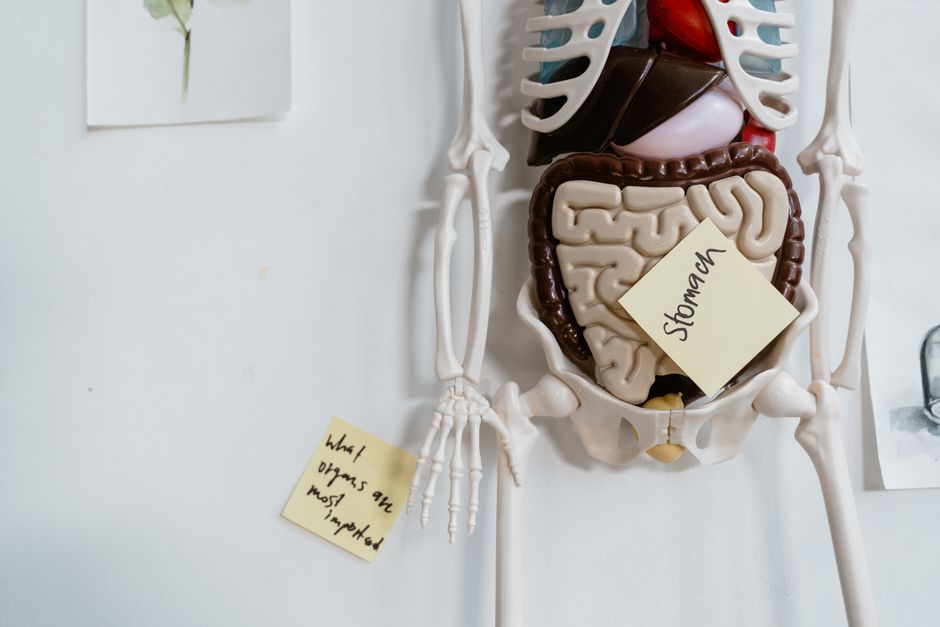
Most people have 24 ribs — 12 on each side of the chest. This is true for both men and women. The old idea that men have one fewer rib than women comes from the biblical story of Adam and Eve, but it has no basis in human anatomy. Every healthy human skeleton, regardless of sex, contains 12 pairs of ribs.
How Many Ribs Does A Human Body Have
The human rib cage consists of 12 pairs of ribs, for a total of 24 ribs. They attach to the thoracic spine at the back and curve around to the front of the chest. The ribs protect the heart, lungs, and major blood vessels.
Ribs are numbered from top to bottom. The first rib sits just above the collarbone, and the twelfth rib sits at the bottom of the rib cage, near the waist. Each pair connects to the spine at the same level.
Some people are born with a cervical rib — an extra rib that forms above the first rib. This happens in less than 1% of the population. A cervical rib usually causes no symptoms, but in some cases it can press on nerves or blood vessels and cause pain or numbness in the arm.
Anatomy of the Rib Cage
The rib cage is more than a set of bones. It is a flexible structure that expands and contracts with every breath. Each rib connects to the spine at the back. At the front, the connections vary.
The first seven pairs are called true ribs. They attach directly to the sternum, or breastbone, through their own cartilage. These ribs form the main structure of the upper chest.
Pairs eight through ten are called false ribs. They do not attach directly to the sternum. Instead, their cartilage connects to the cartilage of the rib above them. This creates a shared attachment point.
Pairs eleven and twelve are called floating ribs. They attach only to the spine at the back. At the front, they end in muscle tissue without any connection to the sternum or other ribs. This is why they are easier to feel from the outside.
Why Rib Count Matters in Medicine
Knowing the standard rib count helps doctors identify abnormalities. When a patient has back or chest pain, doctors may order imaging to check for extra or missing ribs. These variations are usually harmless, but they can sometimes point to underlying conditions.
A cervical rib is the most common extra rib. It forms at the base of the neck, above the first rib. Most people with a cervical rib never know they have one. It is often found by accident when a chest X-ray or CT scan is done for another reason.
In rare cases, a cervical rib contributes to thoracic outlet syndrome. This condition occurs when the extra rib presses on nerves or blood vessels between the neck and shoulder. Symptoms include arm pain, numbness, tingling, and weakness. Some people also notice coldness in the hand or fingers due to reduced blood flow.
Missing ribs are less common than extra ribs. They can occur as part of genetic conditions that affect bone development. If a rib is missing, doctors typically investigate for other skeletal abnormalities.





Common Rib Injuries and Conditions
Rib fractures are one of the most common chest injuries. They usually result from direct trauma, such as a fall, a car accident, or a hard blow during contact sports. In older adults, even a minor fall can crack a rib because bones become more brittle with age.
A broken rib is painful, especially when breathing deeply, coughing, or twisting the torso. The pain can make it hard to take full breaths, which increases the risk of pneumonia. This is why rib fractures need proper medical evaluation, even when they seem minor.
Costochondritis is another common source of rib pain. It is an inflammation of the cartilage that connects the ribs to the sternum. The pain can feel sharp and may worsen with movement or deep breaths. It is often mistaken for a heart attack because the location is similar. Unlike a heart attack, costochondritis is not life-threatening and usually resolves on its own over time.
Another condition, slipping rib syndrome, occurs when a false rib moves slightly out of place. This can happen after an injury or for no clear reason. The movement irritates nearby nerves and causes sharp pain in the upper abdomen or lower chest. The pain may come and go, and it can be reproduced by pressing on the affected rib.
When to See a Doctor About Rib Pain
Not all rib pain requires a trip to the emergency room. But some symptoms warrant prompt medical attention.
Seek immediate care if rib pain is accompanied by:
- Difficulty breathing or shortness of breath
- Pain that radiates to the left arm, jaw, or back
- Dizziness, sweating, or nausea
- Coughing up blood
- Severe pain that prevents deep breathing
These symptoms could indicate a heart attack, a collapsed lung, or internal bleeding. Do not wait to see if they improve.
If the pain is mild and follows a known injury, schedule an appointment with your doctor within a few days. They can order an X-ray to check for fractures and rule out other causes. Persistent rib pain without a clear cause also deserves evaluation, especially if it lasts more than a few weeks.
Rib Count in Other Animals
Humans are not the only species with a set number of ribs. The rib count varies widely across the animal kingdom, and it often reflects the length of the spine and the shape of the body.
Dogs and cats typically have 13 pairs of ribs — one more pair than humans. Horses have 18 pairs. Snakes can have hundreds of pairs, with ribs running along most of their body length. Giraffes have the same number of neck vertebrae as humans — seven — but their ribs differ in size and shape to support a much larger chest.
These differences are not random. Rib count is tied to body plan and evolutionary history. Animals with longer torsos generally have more ribs. Animals with compact bodies have fewer.
Frequently Asked Questions
Do men and women have the same number of ribs?
Yes, men and women both have 12 pairs of ribs, for a total of 24. The idea that men have one fewer rib is a myth with no anatomical basis.
Can a person be born with more than 24 ribs?
Yes, a small percentage of people are born with a cervical rib, an extra rib above the first rib. It usually causes no symptoms and is often discovered by accident on imaging.
What is the most common rib injury?
Rib fractures are the most common rib injury, usually caused by direct trauma like falls, car accidents, or sports impacts. They are painful and require medical evaluation to prevent complications like pneumonia.
Are floating ribs dangerous?
No, floating ribs are a normal part of human anatomy. They are more mobile than other ribs, which can make them more vulnerable to injury, but they are not dangerous on their own.
