
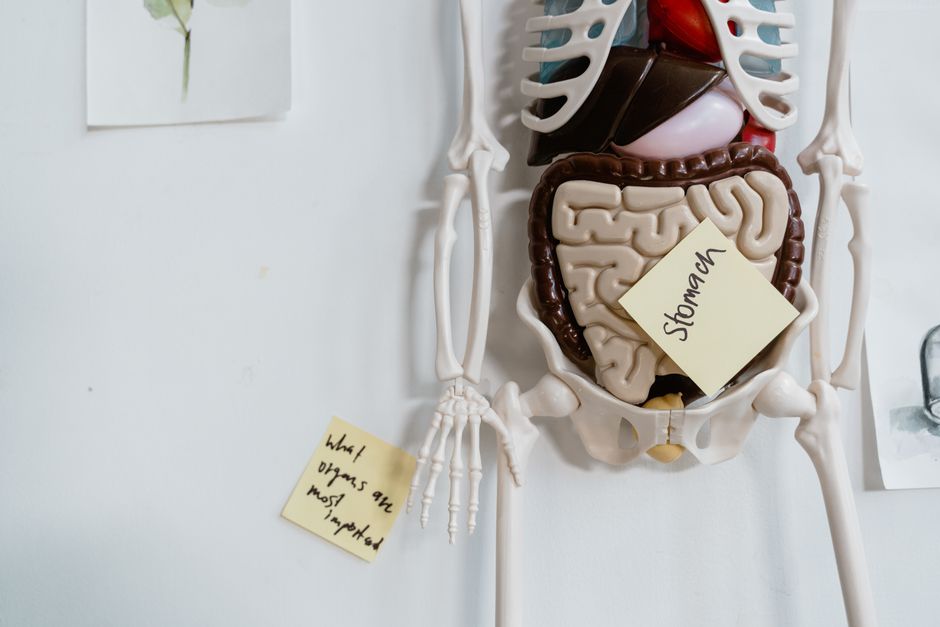
Your ribs hurt for a reason that is usually straightforward. Most sore ribs come from a pulled muscle, a bruised bone, or inflammation where the ribs attach to your breastbone. The pain is sharp when you twist, cough, or take a deep breath. This is not usually a heart attack. But it can feel scary. Understanding the actual cause is the first step to knowing what to do about it.
What Causes Rib Pain That Comes and Goes?
Intermittent rib pain often points to muscle strain. The intercostal muscles sit between each rib. They stretch and contract with every breath. If you lifted something heavy, twisted suddenly, or started a new exercise, these muscles can pull. The pain shows up when you move a certain way and fades when you rest.
Another common cause is costochondritis. This is inflammation where your ribs connect to your breastbone. The pain can come and go for weeks. It often feels sharp and localized. Pressing on the spot makes it worse. The cause is usually unknown, but it is not dangerous. The American Academy of Family Physicians notes that costochondritis resolves on its own in most cases.
Less common causes include slipping rib syndrome. This happens when the cartilage holding a rib in place loosens. The rib moves and pinches a nerve. The pain can be sudden and sharp, then disappear for days. It is more common in middle-aged adults and is often misdiagnosed.
Can Rib Pain Be a Sign of Something Serious?
Yes, but serious causes are less common. The most concerning is a pulmonary embolism, which is a blood clot in the lung. This pain is sudden, sharp, and gets worse with breathing. It often comes with shortness of breath, coughing up blood, or a racing heart. If you have these symptoms, go to the emergency room immediately.
Pneumonia and pleurisy can also cause rib pain. Pleurisy is inflammation of the lining around your lungs. The pain is a sharp stabbing sensation every time you inhale. Fever and cough usually accompany it. The CDC reports that pneumonia sends about 1.5 million Americans to the emergency department each year. Rib pain with fever should never be ignored.
Rib fractures are another serious possibility. A break can happen from a fall, a car accident, or even repeated coughing. The pain is constant and severe. You might feel a grinding sensation. A broken rib usually heals on its own, but it raises the risk of a collapsed lung. If you cannot take a full breath, seek medical care.
Why Are Your Ribs Sore After Sleeping?
Waking up with rib soreness is common. Your sleeping position is usually the culprit. Side sleepers put pressure on the ribs and shoulder. If your mattress is too firm, the pressure points can cause muscle soreness by morning. A worn-out mattress with uneven support can also twist your spine and strain your rib muscles.
Sleeping on your stomach can also cause rib pain. This position forces your neck and upper back into a twist. Your ribs move with your spine. Over time, the muscles between your ribs tighten and ache. Switching to a side position with a pillow between your knees often helps.
Another possibility is costochondritis flaring overnight. Inflammation often feels worse in the morning because you have not moved for hours. Gentle stretching and a warm shower can loosen things up. If the pain lasts more than a few days after changing your sleep setup, see a doctor.



What Does Research Show About Rib Pain Treatments?
Research shows that most rib pain responds to simple measures. A study in the Journal of Orthopaedic & Sports Physical Therapy found that rest and ice work as well as prescription anti-inflammatories for acute muscle strain. Ice reduces swelling. Heat relaxes tight muscles. Alternating both can speed recovery.
For costochondritis, the evidence is less clear. A review in American Family Physician states that nonsteroidal anti-inflammatory drugs like ibuprofen are the first-line treatment. But the same review notes that no high-quality studies prove they work better than placebo. Some people report relief, but strong evidence is limited. Stretching and avoiding activities that trigger the pain are the most recommended approaches.
For rib fractures, the research is clear. Rest is the only real treatment. A study in Injury found that surgical fixation of broken ribs does not improve outcomes for most people. The body heals itself. Pain medication and breathing exercises to prevent pneumonia are the standard care. No brace or wrap helps, and they can actually make breathing harder.
How to Tell If Your Rib Pain Is Muscle or Bone
Muscle pain is dull and achy. It spreads across a wider area. You feel it when you twist, reach, or lift. Pressing on the spot might not hurt much. The pain fades when you sit still.
Bone pain is sharp and localized. You can point to the exact spot with one finger. Deep breathing makes it worse. Coughing or sneezing causes a jolt of pain. If you press on the bone, it hurts immediately.
Here is a simple comparison:
| Symptom | Likely Muscle Strain | Likely Bone Issue |
|---|---|---|
| Pain quality | Dull, achy | Sharp, stabbing |
| Pain location | Spread out | One precise spot |
| Pain with deep breath | Mild discomfort | Sharp increase |
| Pain when pressing | Mild or none | Immediate pain |
| Healing time | 3-7 days | 4-6 weeks |
If your pain fits the bone column and does not improve after a few days, get an X-ray. A fracture might not show up on a regular X-ray for two weeks. A CT scan is more sensitive but is rarely needed.
When to See a Doctor for Sore Ribs
See a doctor if the pain is severe enough to wake you at night. See one if you cannot take a full breath without sharp pain. See one if the pain came from a fall or car accident. See one if you have a fever, cough, or feel short of breath.
Do not wait if you have a history of blood clots or cancer. Rib pain can be the first sign that cancer has spread to the bone. This is rare, but it is real. The American Cancer Society notes that breast, lung, and prostate cancers can metastasize to the ribs.
If you have none of these warning signs, you can try home care for a week. Rest from activities that hurt. Ice the area for 15 minutes several times a day. Take ibuprofen or acetaminophen as directed. If the pain is unchanged after seven days, make an appointment. Most muscle strains resolve by then.
Common Misconceptions About Rib Pain
One widespread myth is that rib pain always means a broken rib. This is false. The vast majority of rib pain is muscle strain or costochondritis. A study in the British Journal of General Practice found that fewer than 1 in 10 people with rib pain who visit their doctor actually have a fracture. The rest have soft tissue injuries.
Another myth is that you should wrap your ribs tightly with an elastic bandage. Do not do this. Wrapping restricts your ability to take deep breaths. Shallow breathing increases your risk of pneumonia. The American College of Chest Physicians advises against any form of rib binding for this reason.
A third misconception is that rib pain is always a heart attack. While heart attacks can cause chest pain, they rarely cause pain you can pinpoint with a finger. Heart attack pain is usually a pressure or squeezing sensation across the chest, often spreading to the arm or jaw. Rib pain that changes with position or breathing is almost never cardiac.
What to Avoid When Your Ribs Are Sore
Avoid heavy lifting and twisting motions. Do not play contact sports. Do not take anti-inflammatory medication for more than 10 days without a doctor’s approval. Long-term use of NSAIDs can damage your kidneys and stomach lining.
Avoid sleeping on the painful side. This puts direct pressure on the sore area and can slow healing. If you are a side sleeper, sleep on the opposite side with a pillow in front of you to brace against rolling over.
Do not ignore pain that comes with a fever. Do not assume that rib pain from a cough will go away on its own if you also have trouble breathing. Do not use a heating pad while sleeping. This can cause burns. Set a timer for 20 minutes.
Frequently Asked Questions
Can rib pain be caused by stress?
Yes, stress can cause muscle tension in your chest and back that feels like rib pain. This is called musculoskeletal chest pain and it is common during periods of high anxiety.
How long does costochondritis usually last?
Most cases of costochondritis resolve within two to four weeks. Some people experience symptoms that come and go for several months.
Is it safe to exercise with sore ribs?
Light walking is usually safe, but avoid any exercise that causes sharp pain. Wait until you can take a deep breath without discomfort before returning to full activity.
Can coughing cause a rib fracture?
Yes, forceful coughing from a cold or pneumonia can fracture a rib, especially in people with weak bones from osteoporosis. This is more common in older adults.
