
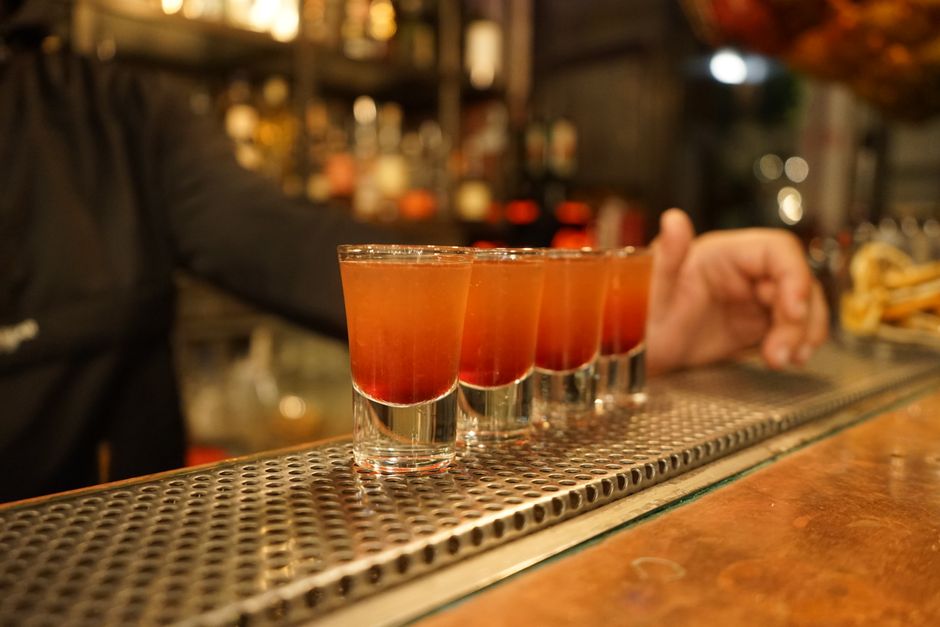
You have a blood draw scheduled for tomorrow morning, and tonight there is a dinner, a wedding, or just a long week that ends with a drink in your hand. The short answer is that you can drink alcohol the night before blood work, but it is not a good idea if you want accurate results. Alcohol can change several common lab values, and in some cases it can make a test result look abnormal when nothing is actually wrong. The safest choice is to skip alcohol for at least 24 hours before your appointment.
Can I Drink Alcohol The Night Before Blood Work?
Yes, you physically can. But whether you should depends on what your doctor is testing for. For a basic cholesterol panel or a fasting glucose test, one drink the night before is unlikely to cause major problems. For liver function tests, certain hormone panels, or tests that require strict fasting, alcohol can genuinely distort the numbers.
The bigger issue is timing. Most people have their blood drawn between 7 and 10 in the morning. If you finish a glass of wine at 10 p.m., that is only 9 to 12 hours before the needle goes in. Alcohol is still being processed by your body at that point.
Your liver breaks down alcohol at a fairly steady rate. For most adults, that is roughly one standard drink per hour. A standard drink in the US is 14 grams of pure alcohol, which equals about 12 ounces of regular beer, 5 ounces of wine, or 1.5 ounces of distilled spirits. If you have three drinks, your body may still be metabolizing alcohol well into the morning.
How Does Alcohol Affect Blood Test Results?
Alcohol changes blood chemistry in ways that show up on standard lab panels. The effects depend on how much you drink, how often you drink, and how long before the test you stopped.
Here is what is well established:
- Liver enzymes — Alcohol can raise levels of AST, ALT, and GGT. These are enzymes doctors use to check liver health. Even a single heavy drinking session can temporarily push these numbers up.
- Blood glucose — Alcohol can lower blood sugar, especially if you have not eaten. This matters for fasting glucose tests and can be dangerous for people taking insulin or diabetes medications.
- Triglycerides — Alcohol raises triglyceride levels. If you are getting a lipid panel, drinking the night before can make your triglycerides look higher than they normally are.
- MCV (mean corpuscular volume) — Long-term heavy drinking tends to increase the size of red blood cells. This is a chronic effect, not something one night of drinking causes.
- Electrolytes and hydration — Alcohol is a diuretic. It makes you urinate more, which can affect sodium, potassium, and other electrolyte measurements.
Some of these changes are short-lived. Others, particularly liver enzyme elevations, can persist for days after heavy drinking.
Does One Drink Matter, or Only Heavy Drinking?
One standard drink is unlikely to meaningfully change most routine lab results in a healthy person. The research on moderate drinking and short-term lab changes is fairly reassuring at that level.
Heavy drinking is a different story. Binge drinking — generally defined as four or more drinks for women or five or more for men in about two hours — can affect liver enzymes and triglycerides for 24 to 72 hours afterward. Some studies suggest liver enzyme elevations can last even longer after sustained heavy drinking.
The tricky part is that “one drink” means different things to different people. A generous pour of wine at home might be 8 or 9 ounces, which is closer to two standard drinks. A craft beer might be 8% alcohol by volume instead of the typical 5%, making one bottle roughly equivalent to two standard drinks.
If you are unsure whether your drink was actually one standard drink, the safest move is to skip alcohol entirely the night before your test.


What About Fasting Requirements?
Many blood tests require you to fast for 8 to 12 hours beforehand. Fasting usually means no food and no drinks except water. Alcohol is never allowed during a fasting window.
This is not just a technicality. When you fast, your body relies on stored energy. Alcohol interferes with that process. It can cause blood sugar to drop too low, and it can change how your liver releases glucose. For someone with diabetes, this combination can be risky.
Even if your test does not require fasting, drinking alcohol the night before can still affect results. The fasting requirement is about food, but the alcohol effect is separate and additive.
If you accidentally drank alcohol during what should have been your fasting window, tell the phlebotomist or your doctor. They may want to reschedule or note the result with that context.
Which Blood Tests Are Most Affected by Alcohol?
Some tests are more sensitive to alcohol than others. Here is a general breakdown:
| Test | How Alcohol Affects It | How Long the Effect Lasts |
|---|---|---|
| Liver function panel (AST, ALT, GGT) | Can raise enzyme levels | 24 to 72 hours after heavy drinking; longer with chronic use |
| Triglycerides | Can increase levels | Up to 24 hours or more |
| Fasting glucose | Can lower blood sugar | Several hours, especially without food |
| Complete blood count (MCV) | Chronic heavy drinking can raise MCV | Weeks to months of heavy drinking |
| Electrolytes | Can shift sodium and potassium | Hours, depending on hydration |
This table reflects general patterns. Individual responses vary based on body weight, liver health, medications, and how much you drank.
How Long Should You Avoid Alcohol Before Blood Work?
For most routine blood tests, avoiding alcohol for 24 hours before your draw is a reasonable guideline. Some clinicians recommend 48 to 72 hours if you are having liver function tests or a lipid panel.
There is no single official number that applies to every test. Different labs and different doctors may give different instructions. If you were given specific prep instructions, follow those.
If you drink heavily on a regular basis, the timeline is longer. Chronic alcohol use can affect liver enzymes, red blood cell size, and other markers for weeks after your last drink. In that case, telling your doctor about your drinking habits gives them important context for interpreting your results.
What Happens If You Drink Anyway?
If you have a drink the night before your blood work, do not panic. In most cases, the test will still be usable. But you should tell the person drawing your blood or your doctor that you had alcohol within the past 24 hours.
This matters for two reasons. First, it helps your doctor interpret any abnormal results correctly. A slightly elevated liver enzyme might be from the alcohol, not from an underlying condition. Second, if the results are significantly off, your doctor may want to repeat the test under better conditions.
Do not skip your appointment because you had a drink. Showing up and being honest is better than avoiding the test altogether.
Why Does Timing Matter So Much?
Your body processes alcohol in stages. The liver converts alcohol into acetaldehyde, then into acetate, and finally into carbon dioxide and water. This process takes time.
While your liver is busy with alcohol, it is not doing its other jobs as efficiently. It is not regulating blood sugar the same way. It is not processing fats normally. It is not clearing other waste products at its usual pace.
This is why the effects show up on blood tests. The liver is not damaged — it is just occupied. Once the alcohol is fully cleared, most of these effects reverse. But depending on how much you drank, clearance can take many hours.
One thing many people do not realize: the effects on triglycerides and liver enzymes can outlast the alcohol itself. Even after your blood alcohol level returns to zero, your lab values may still be shifted.
What Should You Do Instead?
The simplest advice is to skip alcohol the night before any blood test. Have water instead. Stay hydrated. Get a normal night of sleep.
If you are someone who drinks regularly and heavily, this is a bigger conversation. Your doctor needs to know about your alcohol use to interpret your labs correctly. Withholding that information can lead to unnecessary testing, misdiagnosis, or missed problems.
If you are not sure whether your test requires fasting or alcohol avoidance, call your doctor’s office or the lab before your appointment. It takes two minutes and can save you a repeat visit.
Frequently Asked Questions
Can I drink alcohol 12 hours before a blood test?
You can, but it may affect your results. Twelve hours is often not enough time for your body to fully clear alcohol and for your lab values to return to baseline.
Will one glass of wine affect my blood test?
One standard drink is unlikely to meaningfully change most routine results in a healthy person. But portion sizes vary, and what you call one glass may be closer to two standard drinks.
What blood tests are affected by alcohol?
Liver function tests, triglycerides, fasting glucose, and electrolyte panels are the most commonly affected. Complete blood count markers like MCV are affected mainly by chronic heavy drinking.
Should I reschedule my blood test if I drank last night?
Not necessarily. Tell your doctor or the person drawing your blood that you had alcohol within 24 hours, and they can decide whether to proceed or reschedule.
