

Most people who catch a stomach virus feel better within 1 to 3 days. Symptoms usually start 12 to 48 hours after you are exposed, peak in the first 24 hours, and then ease off. A small number of people, especially young children and those with weakened immune systems, can feel sick for up to 10 days. The diarrhea and vomiting may stop before your appetite and energy fully return, which is normal.
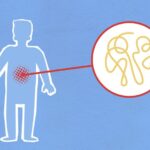
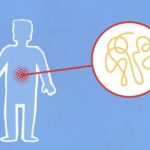
What most people call “stomach flu” is not influenza at all. It is gastroenteritis — inflammation of the stomach and intestines, usually caused by a virus. Several different viruses cause it, and the timeline depends partly on which one you have.
What Causes A Stomach Virus?
Four viruses cause most cases of viral gastroenteritis in the United States. Each has a slightly different pattern.
- Norovirus is the most common cause in adults and children over age 5. It spreads easily in schools, restaurants, cruise ships, and nursing homes. Symptoms hit fast and hard.
- Rotavirus is the leading cause of severe diarrhea in infants and young children worldwide. The rotavirus vaccine, introduced in the US in 2006, has sharply reduced hospitalizations here.
- Astrovirus and adenovirus tend to cause milder illness, more often in young children.
- Sapovirus causes outbreaks similar to norovirus but is less commonly tested for.
All of these viruses spread mainly through the fecal-oral route. That means tiny amounts of contaminated stool get into your mouth — often through food, water, or surfaces touched by an infected person who did not wash their hands well. Norovirus is unusually hardy. It survives freezing, many common disinfectants, and can linger on hard surfaces for days.
You can spread norovirus before you feel sick and for several days after you recover. Some people shed the virus for two weeks or longer, even with no symptoms.
How Many Days Does A Stomach Virus Last A Timeline?
The typical timeline runs 1 to 3 days of active symptoms, followed by a slower return to normal eating and energy over the next few days. Here is how that usually unfolds.
| Timeframe | What Usually Happens |
|---|---|
| 12–48 hours after exposure | No symptoms yet, but you may already be contagious |
| Hour 0–24 | Sudden nausea, vomiting, watery diarrhea, stomach cramps, low-grade fever, body aches |
| Day 1–3 | Symptoms peak, then begin to ease; vomiting often stops first |
| Day 3–5 | Diarrhea slows; appetite starts to return |
| Day 5–10 | Energy and normal bowel habits return; a few people still feel off |
Vomiting tends to stop before diarrhea does. That is because the stomach lining recovers faster than the small intestine and colon. Feeling tired or having loose stools for a few extra days after the worst is over does not mean you are still contagious in most cases — but with norovirus, you can shed the virus for up to two weeks after you feel better.
Children, older adults, and people with weakened immune systems often take longer to recover. Some children with rotavirus can have diarrhea for up to 8 days.
How Do You Know If It Is Norovirus Or Something Else?
You usually cannot tell from symptoms alone. Norovirus, rotavirus, and the others cause overlapping symptoms. In most cases, doctors do not test for a specific virus because the treatment is the same: rest and fluids.
Testing is more likely if you are very sick, if there is a suspected outbreak, or if you have blood in your stool or a high fever. Those signs point away from a typical viral stomach bug and toward a bacterial infection such as Salmonella, Shigella, or Campylobacter — or a parasite like Giardia. Bacterial and parasitic infections often need different treatment.
One non-obvious point: the term “stomach flu” is a misnomer. Influenza viruses rarely cause vomiting or diarrhea. When they do, it is usually alongside the classic flu symptoms — high fever, cough, sore throat, and severe body aches. If your main problem is stomach symptoms without respiratory ones, influenza is unlikely.



When Should You See A Doctor?
The main danger from a stomach virus is dehydration, not the infection itself. Most healthy adults recover without medical care. Seek medical attention if you notice any of the following.
- Signs of dehydration: very dark urine, no urination for 8 hours or more, dry mouth, dizziness on standing, or sunken eyes
- Blood in your vomit or stool
- A fever above 101°F (38.3°C) that lasts more than a day or two
- Severe belly pain that does not ease
- Symptoms that last longer than 10 days
- Inability to keep any fluids down for more than 24 hours
Infants, older adults, and people with weakened immune systems should be watched more closely. In these groups, dehydration can develop quickly and become serious.
What Actually Helps You Recover Faster?
There is no medication that shortens a viral stomach bug. Antibiotics do not work against viruses and can make things worse by disrupting your gut bacteria. The single most useful thing you can do is replace fluids and electrolytes.
Oral rehydration solutions — sold as powders or ready-made drinks — are designed to match the body’s fluid and salt needs. Sports drinks are not a substitute. They have too much sugar and too little sodium for significant fluid loss. If you cannot find an oral rehydration solution, a diluted juice or broth can help, but it is not ideal.
Take small sips often rather than large amounts at once. A tablespoon every few minutes is easier on a sensitive stomach than a full glass. Once vomiting stops, bland foods like crackers, rice, bananas, and toast are usually well tolerated. There is no strong evidence that any specific food speeds recovery — the goal is simply to eat what stays down.
Anti-diarrheal medications such as loperamide can reduce diarrhea in adults, but they should not be used if you have a fever or bloody stool. In those cases, slowing the gut can trap the infection and make things worse. Some clinicians recommend avoiding them entirely during a suspected viral illness. Ask a pharmacist or doctor if you are unsure.
How Long Are You Contagious?
You are most contagious while you have symptoms and during the first few days after they stop. With norovirus, you can spread the virus from the moment symptoms begin until several days after you feel better — and sometimes for up to two weeks.
Handwashing with soap and water is more effective than alcohol-based hand sanitizer against norovirus. Hand sanitizer does not reliably kill norovirus. Wash your hands for at least 20 seconds, especially after using the bathroom and before preparing food.
Clean surfaces with a bleach-based cleaner. Norovirus can survive on hard surfaces for days and is resistant to many common household disinfectants. Wash soiled clothing and bedding in hot water and dry them on a high setting.
If you are sick, stay home until at least 48 hours after your symptoms stop. That is the general guidance from public health agencies for norovirus. It is not a guarantee you are no longer contagious, but it lowers the risk to others.
How Does This Compare To Food Poisoning?
Food poisoning and a stomach virus can look identical. Both cause nausea, vomiting, diarrhea, and cramps. The main difference is timing and duration.
Food poisoning from a toxin — such as Staphylococcus aureus or Bacillus cereus — often causes vomiting within 1 to 6 hours of eating. It usually resolves within 24 hours. Food poisoning from bacteria like Salmonella or Campylobacter takes longer to start, often 12 to 72 hours, and can last several days to a week. It may need antibiotics in some cases.
If several people who ate the same meal get sick at the same time, food poisoning is more likely. If the illness spreads from person to person over days, a virus is more likely. Neither distinction is perfect, and testing is the only way to know for sure.
Frequently Asked Questions
How long does a stomach virus usually last?
Most stomach viruses last 1 to 3 days in healthy adults. Children and people with weakened immune systems may take up to 10 days to fully recover.
How long after exposure do stomach virus symptoms start?
Symptoms usually begin 12 to 48 hours after you are exposed to the virus. Norovirus tends to start on the shorter end of that range.
Can you still be contagious after you feel better?
Yes. With norovirus, you can spread the virus for several days after symptoms stop, and sometimes for up to two weeks. Stay home for at least 48 hours after your symptoms end.
Should you take medicine to stop diarrhea?
Anti-diarrheal medications can help adults with mild diarrhea, but they should not be used if you have a fever or bloody stool. Ask a doctor or pharmacist if you are unsure.
