
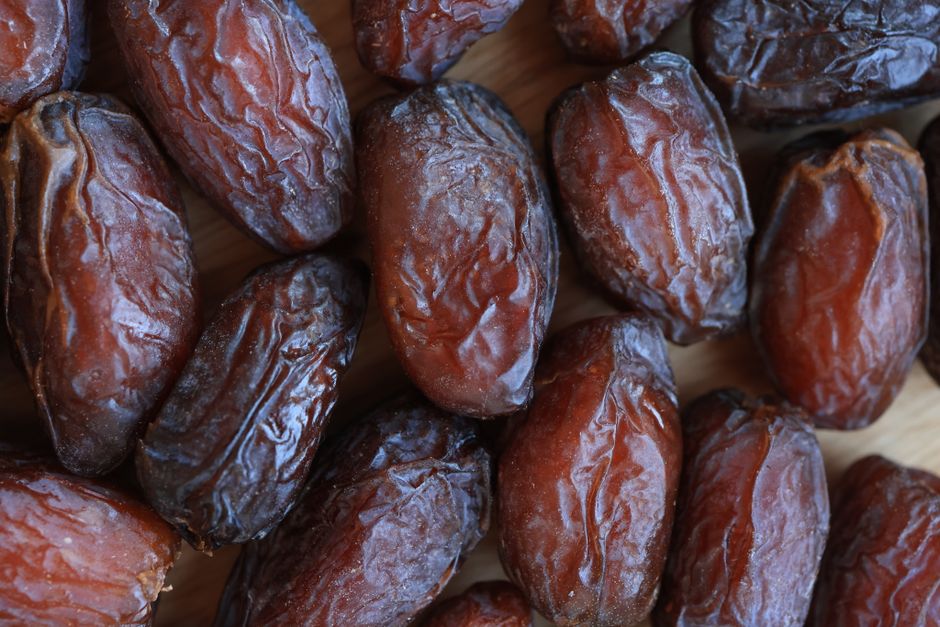
If you are constipated and want to try dates, eating about 3 to 5 dates (roughly 45 to 75 grams) per day is a reasonable starting point. This amount provides a meaningful dose of dietary fiber and natural sugars that can help stimulate a bowel movement. Dates are not a medical treatment, but they are a whole food that supports regularity when paired with adequate water intake.
How Many Dates Should You Eat For Constipation?
Start with 3 dates. If your system tolerates that well and you still need more help, work up to 5 dates spread across the day. Do not eat an entire box at once. A sudden large dose of fiber and sugar can cause cramping, gas, and bloating. The goal is gentle stimulation, not a shock to your digestive tract.
This amount is based on the fiber content of dates and standard dietary guidance for fiber intake. It is not a clinical prescription. No medical organization has set a specific “dose” of dates for constipation. The recommendation is a practical translation of nutritional data into a daily food habit.
Why Dates Help With Constipation
Dates are high in insoluble fiber. This type of fiber does not dissolve in water. Instead, it adds bulk to your stool and helps food move through your intestines faster. Bulkier stool is easier to pass. That is the core mechanism behind why fiber-rich foods relieve constipation.
Dates also contain sorbitol. Sorbitol is a sugar alcohol that draws water into the colon. This softens stool and triggers mild contractions in the bowel. Prunes are famous for the same effect, but dates contain a meaningful amount of sorbitol as well. The combination of fiber and sorbitol makes dates a legitimate choice for constipation relief, not just a folk remedy.
One clarification matters here. Many people assume all fiber is the same. It is not. Soluble fiber forms a gel and slows digestion. Insoluble fiber speeds things up. Dates deliver both types, with a stronger tilt toward insoluble fiber. That balance is why they help with constipation specifically rather than just general gut health.
How to Eat Dates for Constipation Relief
Eat them whole. Chopped dates in oatmeal or yogurt work just as well. The form matters less than the quantity and the water you drink alongside them.
Water is the missing piece for many people. Fiber only works if you give it enough fluid to work with. If you eat 5 dates and do not increase your water intake, you may actually feel worse. The fiber will swell and sit in your colon without enough liquid to move it along. Drink a full glass of water when you eat your dates.
Soaked dates are another option. Some people soak dates in water overnight and eat them in the morning. The soaking softens the fruit and adds extra water directly to the fiber. There is no strong clinical evidence that soaked dates work better than dry ones, but they are easier to chew and digest for some people.
Do not combine dates with a heavy meal. Eat them as a snack between meals. This gives the fiber and sorbitol a chance to work without competing with a large volume of other food.





What the Research Says About Dates and Digestion
Clinical research on dates and constipation specifically is limited. Most of what we know comes from studies on dates as a whole food and from research on their individual components, particularly fiber and sorbitol.
Some studies have looked at date consumption and bowel habits, but the sample sizes are small and the results are not definitive. What the research does support is the nutritional profile. Dates are consistently shown to be a high-fiber fruit. The fiber content is well established. The sorbitol content is well established. Both of these are known to relieve constipation in the digestive tract.
Research published in the British Journal of Nutrition and other peer-reviewed journals has examined the glycemic response and nutrient composition of dates, confirming their fiber content and sugar profile. However, no large randomized controlled trial has specifically measured how many dates cure constipation in a general population. That study does not exist yet.
Be honest about what this means. Dates are a sensible, evidence-informed food choice for constipation. They are not a proven medical therapy with a defined dose. The evidence for their benefit is indirect but solid. The evidence for their safety is strong.
Are There Risks to Eating Dates for Constipation?
Dates are safe for most people, but they are not risk-free. The main concerns are sugar content, calorie density, and digestive discomfort.
A single date contains roughly 20 calories and about 4 to 5 grams of sugar. If you eat 5 dates, that is about 100 calories and 20 to 25 grams of sugar. For someone with diabetes or insulin resistance, this matters. Dates have a moderate glycemic index, which means they raise blood sugar, but not as fast as refined sugar. If you have diabetes, talk to your doctor before using dates as a daily constipation remedy.
People with irritable bowel syndrome (IBS) may react poorly to dates. The sorbitol in dates is a FODMAP. FODMAPs are fermentable carbohydrates that can trigger bloating, gas, and abdominal pain in people with IBS. If you have IBS, dates may make your symptoms worse rather than better.
Eating too many dates at once can cause diarrhea. This is the flip side of the laxative effect. What relieves constipation in 3 to 5 dates can cause loose stools in 10 or more. Start low and adjust based on your body’s response.
Other Foods That Help With Constipation
Dates are not the only food that works. If you do not like dates or want variety, these options have similar or stronger evidence behind them.
- Prunes are the most studied food for constipation. They contain both fiber and sorbitol, and clinical trials have shown they increase stool frequency.
- Pears and apples contain pectin, a type of soluble fiber that softens stool.
- Kiwi has shown promise in some studies for improving bowel movement frequency.
- Flaxseed and chia seeds are concentrated fiber sources that work well when added to yogurt or smoothies.
- Oats and other whole grains provide bulk without the sugar load of dried fruit.
None of these are a substitute for the basics. Water, physical activity, and consistent meal timing all influence bowel regularity. A food-based approach works best when it sits on top of these foundations.
When to See a Doctor About Constipation
Occasional constipation is normal. Constipation that lasts more than three weeks is not. If you have tried increasing fiber, water, and physical activity and your symptoms persist, see a doctor.
Seek medical attention sooner if you have any of these warning signs:
- Blood in your stool
- Unexplained weight loss
- Severe abdominal pain
- Constipation that alternates with diarrhea
- No bowel movement for more than five days
These symptoms can indicate a more serious condition that requires evaluation. Do not delay care to try more dates.
Also note that certain medications cause constipation. Opioid pain relievers, some blood pressure medications, and iron supplements are common culprits. If you started a new medication and became constipated, talk to your prescriber before adding any dietary remedy.
Frequently Asked Questions
Can I eat dates every day for constipation?
Yes, 3 to 5 dates daily is safe for most people without diabetes or IBS. Stay consistent and drink extra water to prevent the fiber from causing blockage.
How long does it take for dates to relieve constipation?
Most people notice a difference within 12 to 24 hours of eating dates with adequate water. If you see no change after three days, add other fiber sources or see a doctor.
Are dates or prunes better for constipation?
Prunes have stronger clinical evidence and a higher sorbitol content, making them more reliably effective. Dates are a good alternative if you prefer the taste or need a change.
Can eating too many dates cause constipation?
Yes, eating excessive dates without enough water can worsen constipation because the fiber swells and hardens. Stick to the 3 to 5 date range and match it with extra fluids.
