
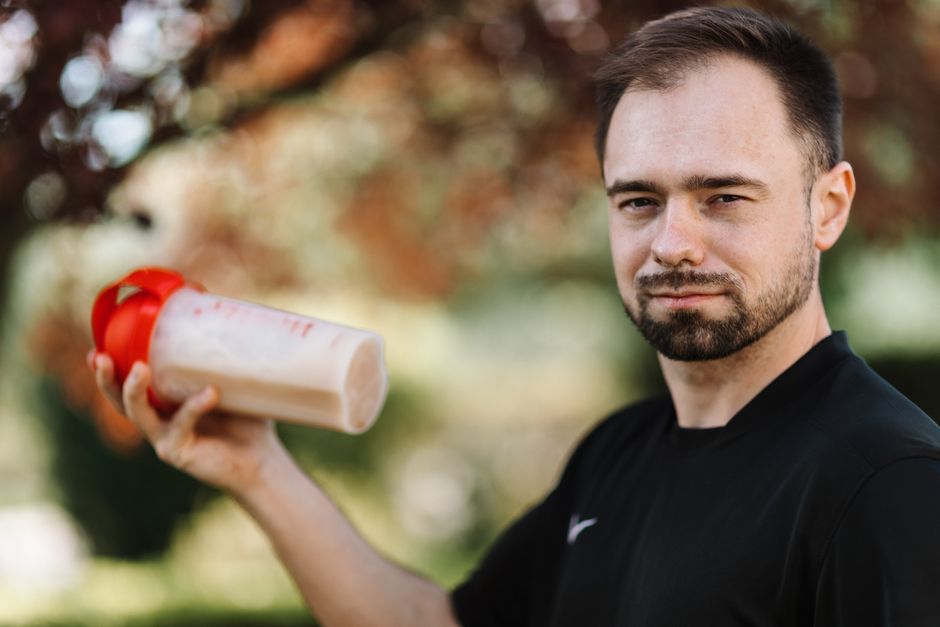
Protein shakes are a convenient way to add calories and protein to your diet, but they are not a magic formula for weight gain. The number of shakes you need depends entirely on your total daily calorie needs, your current intake, and your specific weight gain goal. For most people, one to two shakes per day, used to bridge a calorie gap, is a practical starting point.
How Many Protein Shakes A Day To Gain Weight?
The short answer is that there is no single number that works for everyone. Weight gain requires a calorie surplus, meaning you consume more calories than your body burns each day. Protein shakes are simply a tool to help you reach that surplus.
Most people can effectively use one to two shakes daily to add roughly 250 to 500 calories to their diet. This is often enough to create the modest surplus needed for steady weight gain without feeling overly full or replacing more nutritious whole foods.
First, Calculate Your Calorie Needs
Before you decide how many shakes to drink, you need to know your target calorie intake. Your body burns a certain number of calories just to keep you alive, called your resting metabolic rate. On top of that, you burn calories through daily movement and exercise.
To gain weight at a steady pace, most guidelines suggest adding about 300 to 500 calories per day above your maintenance level. This typically results in gaining about 0.5 to 1 pound per week. Gaining faster than that usually means adding more fat than muscle.
If you do not know your maintenance calories, a simple approach is to track what you eat for a week without changing anything. If your weight stays stable, that is your maintenance number. Add 300 to 500 calories to that number for weight gain.
How Protein Shakes Fit Into Your Diet
A standard scoop of whey or plant-based protein powder contains about 20 to 25 grams of protein and roughly 100 to 150 calories. When mixed with water, a shake is relatively low in calories. When mixed with milk, it adds more. When you add peanut butter, oats, bananas, or full-fat yogurt, the calorie count rises quickly.
This is the key point: a protein shake is only as calorie-dense as you make it. A shake with just water and powder may not create much of a surplus. A shake blended with whole milk, a banana, a tablespoon of peanut butter, and a scoop of oats can easily provide 400 to 600 calories.
If your goal is weight gain, you should treat shakes as meal replacements or snacks, not as a way to add protein on top of an already full diet. Drinking a shake after a full meal simply adds extra calories you may not need, which can lead to excess fat gain.





Protein Needs for Muscle Gain
Research consistently shows that total daily protein intake matters more than timing. For people who are strength training, a common recommendation is about 0.7 to 1 gram of protein per pound of body weight per day. For a 160-pound person, that is roughly 110 to 160 grams of protein daily.
Whole foods should be the foundation. Chicken, fish, eggs, dairy, beans, and legumes all provide high-quality protein along with other nutrients. Protein shakes are useful when you are short on time or struggling to hit your protein target through food alone.
If you already eat three meals and one snack that include protein, you may only need one shake to close the gap. If your meals are lighter, two shakes might be necessary. Drinking more than two shakes usually means you are relying too heavily on supplements and not enough on whole foods.
Choosing the Right Shake for Weight Gain
Not all protein powders are the same. Whey protein is quickly digested and contains all essential amino acids. Casein digests more slowly and is often taken before bed. Plant-based options like pea or soy protein can be equally effective, though some people find they need to drink slightly more to get the same amino acid profile.
For weight gain, the ingredients you add matter more than the powder itself. A shake designed for weight gain should include carbohydrates and fats, not just protein. Carbohydrates help replenish glycogen stores after exercise, and fats add dense calories.
A practical high-calorie shake recipe includes one scoop of protein powder, one cup of whole milk, one banana, one tablespoon of peanut butter, and half a cup of rolled oats. This combination provides roughly 500 to 600 calories, 30 grams of protein, and a balanced mix of carbs and fats.
When to Drink Protein Shakes
There is no strong evidence that a narrow “anabolic window” exists after exercise. The idea that you must drink a shake within 30 minutes of finishing a workout has been largely overstated. What matters more is your total protein intake spread across the day.
That said, timing can help with consistency. Drinking a shake with breakfast ensures you start the day with a calorie surplus. Drinking one after a workout is convenient and can help you recover. Drinking one before bed may help some people hit their calorie target for the day.
Choose times that fit your routine and help you consistently reach your calorie goal. Consistency over weeks and months drives weight gain, not the exact timing of a single shake.
Potential Risks and Downsides
Protein shakes are generally safe for healthy adults. However, they are not a replacement for a varied diet. Whole foods provide fiber, vitamins, minerals, and antioxidants that protein powders lack.
Drinking too many shakes can also displace whole foods. If you drink three or four shakes a day, you may not have room for the vegetables, fruits, and whole grains your body needs. This can lead to weight gain that is mostly fat rather than muscle.
Some people experience digestive discomfort from protein powders, particularly those with lactose intolerance using whey concentrate. Plant-based proteins or whey isolate may be better options in that case. If you have kidney disease, talk to your doctor before significantly increasing protein intake.
How to Track Your Progress
Weigh yourself consistently to see if your approach is working. Weighing yourself two to three times per week at the same time of day gives you a clearer picture than a single weigh-in. Aim for a gain of 0.5 to 1 pound per week.
If you are not gaining weight after two weeks, add another shake or increase the calories in your existing shakes. If you are gaining more than 2 pounds per week, you may be gaining excess fat and should reduce your calorie surplus.
Strength training is important alongside your increased calorie intake. Without resistance exercise, extra calories and protein will mostly be stored as fat. With training, the surplus supports muscle growth.
Frequently Asked Questions
Can I drink protein shakes every day to gain weight?
Yes, drinking one or two protein shakes daily is safe for most healthy adults and can help you reach a calorie surplus. The key is ensuring they fit within your total daily calorie and protein goals rather than replacing too many whole foods.
Is it better to gain weight with shakes or real food?
Real food should be the foundation of any weight gain plan because it provides more nutrients than supplements. Shakes are a convenient supplement to fill calorie gaps, not a replacement for a balanced diet.
Will protein shakes make me gain fat instead of muscle?
Protein shakes will contribute to fat gain if your total calorie intake is too high. Gaining about 0.5 to 1 pound per week and doing regular strength training helps ensure the extra calories support muscle rather than excess fat.
How many grams of protein do I need per day for weight gain?
A common recommendation for muscle gain is about 0.7 to 1 gram of protein per pound of body weight daily. This can be met through a combination of whole foods and one or two protein shakes.
