
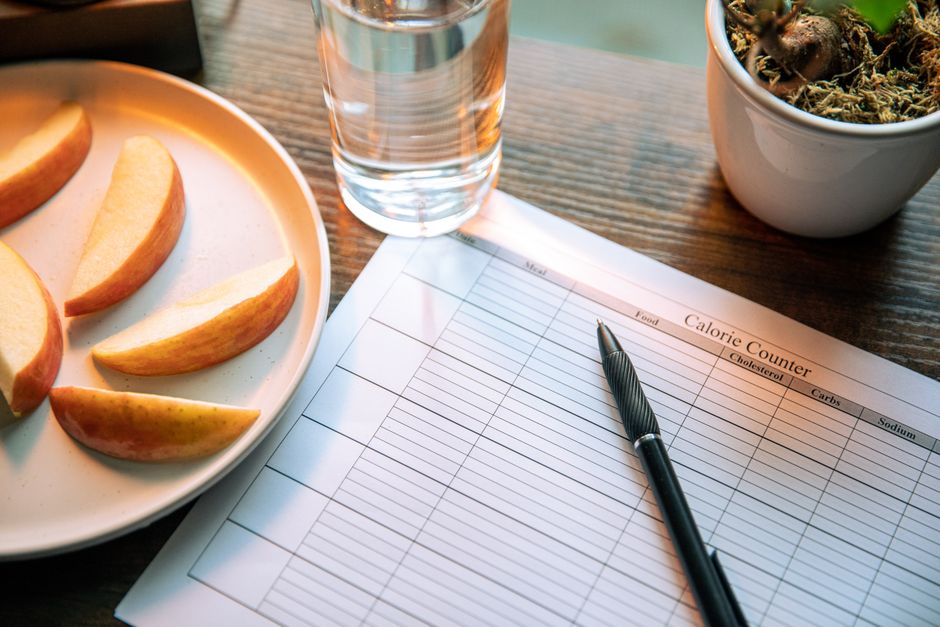
A 16-year-old girl typically needs between 1,800 and 2,400 calories per day. The exact number depends on her height, current weight, muscle mass, and especially her daily activity level. A teen who plays sports needs more calories than one who spends most of her day sitting in class and studying.
What Determines Calorie Needs at Age 16?
Calorie needs are not a single fixed number. They change based on a few clear factors. The most important is the balance between energy in and energy out. Calories are the energy your body gets from food and drink. Your body burns that energy just to stay alive, then burns more during movement and exercise.
At 16, most girls have already gone through their main growth spurt. That does not mean growth is finished, but the rapid bone and muscle growth of early puberty has usually slowed. This matters because growth requires extra calories. A girl who is still actively growing may need more than one who has reached her adult height.
Body composition also plays a role. Muscle burns more calories at rest than fat does. A teen with more muscle mass will have a slightly higher baseline calorie need than a girl of the same weight with less muscle. This is a small difference but worth understanding.
Calorie Ranges by Activity Level
Health organizations group calorie needs by activity level. These categories are useful because they give a realistic starting point. The ranges below are based on established dietary reference intakes for adolescent females.
- Sedentary (little to no exercise, mostly sitting): about 1,800 calories per day
- Moderately active (walking, gym class, light activity most days): about 2,000 calories per day
- Active (sports practice, regular vigorous exercise): about 2,400 calories per day
These are estimates, not prescriptions. A girl who is tall for her age may need more. A smaller girl may need less. The ranges assume a typical body size for a 16-year-old. Individual variation is normal and expected.
Why Undereating Is Dangerous for Teens
Eating too few calories at 16 can cause real harm. The body still needs nutrients for bone density, brain development, and hormonal balance. These processes do not stop at 16. They continue into the early twenties.
Bone mass is a major concern. Most of a person’s peak bone density is built during the teen years. If a girl does not eat enough calories and calcium during this window, she may never reach her full bone strength. This raises her risk of fractures and osteoporosis later in life.
Hormonal health also depends on adequate calories. When the body senses severe calorie restriction, it can slow or stop reproductive hormone production. This can cause missed periods, irregular cycles, and long-term fertility concerns. It is not a minor issue. The menstrual cycle is a sign of overall health in adolescent girls.
Brain function suffers too. The brain requires a steady supply of glucose. Teens who skip meals or eat too little often report difficulty concentrating, irritability, and poor memory. This directly affects school performance and mood.



How to Tell If She Is Eating Enough
There are practical signs that calorie intake is adequate. These are more reliable than weighing yourself daily or tracking every bite.
Steady energy throughout the day is a good sign. A girl who has consistent energy from morning to evening is likely eating enough. Constant fatigue, especially after school, can be a warning sign of undereating.
Normal digestion matters. Regular bowel movements without severe constipation or bloating suggest the digestive system is getting enough food and fiber. Skipping meals often disrupts this.
For girls who have started menstruating, a regular cycle is a strong indicator. Missing periods for several months without a medical reason is a red flag. It warrants a conversation with a doctor.
Sleep quality also reflects calorie balance. Undereating can cause restless sleep or difficulty falling asleep. The body struggles to maintain stable blood sugar overnight when it has not had enough fuel during the day.
Quality of Calories Matters More Than Quantity
Two girls can eat the same number of calories and have very different health outcomes. The source of those calories makes the difference. A 2,000-calorie diet of fast food and soda is not equal to 2,000 calories of balanced meals.
Protein is especially important at 16. The body uses protein for muscle repair, skin health, and hormone production. Good sources include eggs, chicken, fish, beans, lentils, and Greek yogurt. A girl should aim to include a protein source at each meal.
Carbohydrates are not the enemy. They are the brain’s preferred fuel source. Whole grains, fruits, and vegetables provide steady energy. Refined carbs like white bread and sugary drinks cause blood sugar spikes and crashes, which can lead to cravings and overeating later.
Fats are necessary for hormone production and vitamin absorption. Healthy fats from avocados, nuts, seeds, and olive oil support brain health. Very low-fat diets are rarely appropriate for teenagers.
Calcium and vitamin D deserve special attention. Dairy products, fortified plant milks, leafy greens, and sunlight exposure all contribute. Many teen girls fall short on these nutrients, which matters for long-term bone health.
When to See a Doctor
Some situations require professional guidance. A sudden, unexplained weight loss is always worth investigating. So is rapid weight gain that does not match activity changes.
Extreme fatigue, dizziness, or fainting should never be ignored. These can signal that calorie intake is dangerously low. Hair loss and brittle nails are also signs that the body is not getting enough nutrients.
An intense fear of gaining weight, severe food restriction, or compulsive exercise patterns may indicate an eating disorder. Eating disorders are serious medical conditions. They are not a lifestyle choice or a phase. Early intervention improves outcomes significantly.
A pediatrician or family doctor can assess growth patterns using growth charts. These charts track height and weight over time and can reveal whether a girl is growing as expected. The doctor can also order blood tests if nutrient deficiencies are suspected.
Practical Meal Guidance for Busy Teens
Teenagers often have irregular schedules. School, sports, part-time jobs, and social activities can make regular meals difficult. Planning ahead helps.
Breakfast does not need to be elaborate. Yogurt with fruit, peanut butter on whole-grain toast, or overnight oats all work. Skipping breakfast often leads to overeating later in the day.
Lunch should include protein and fiber to keep energy stable through afternoon classes. A sandwich with turkey and cheese, a salad with chickpeas, or leftovers from dinner are all solid choices.
Snacks are a legitimate part of a teen’s diet. Active girls may need one or two snacks per day to meet their calorie needs. Apple slices with nut butter, cheese sticks, trail mix, or a protein shake are better than chips or candy.
Dinner does not need to be complicated. A simple formula is half the plate vegetables, a quarter protein, and a quarter whole grains. This structure provides balanced nutrition without requiring elaborate cooking.
Frequently Asked Questions
How many calories should a 16 year old girl eat to lose weight?
Weight loss should be approached carefully at 16 because the body is still developing. A doctor or registered dietitian can help determine a safe calorie target, but it should never fall below 1,500 calories per day without medical supervision.
Is 1200 calories enough for a 16 year old girl?
No. 1,200 calories is far too low for a 16-year-old, even for weight loss. This level of restriction can cause nutrient deficiencies, hormonal disruption, and loss of bone density.
Do calorie needs change during the school year versus summer?
Yes. A girl who is more active in summer with sports or outdoor activity needs more calories than during a sedentary school day. Adjust intake to match actual activity levels rather than following a fixed number year-round.
What happens if a teenage girl eats too few calories?
Undereating can cause missed periods, fatigue, poor concentration, weakened bones, and increased risk of injury. In severe cases, it can lead to disordered eating patterns that require professional treatment.
