
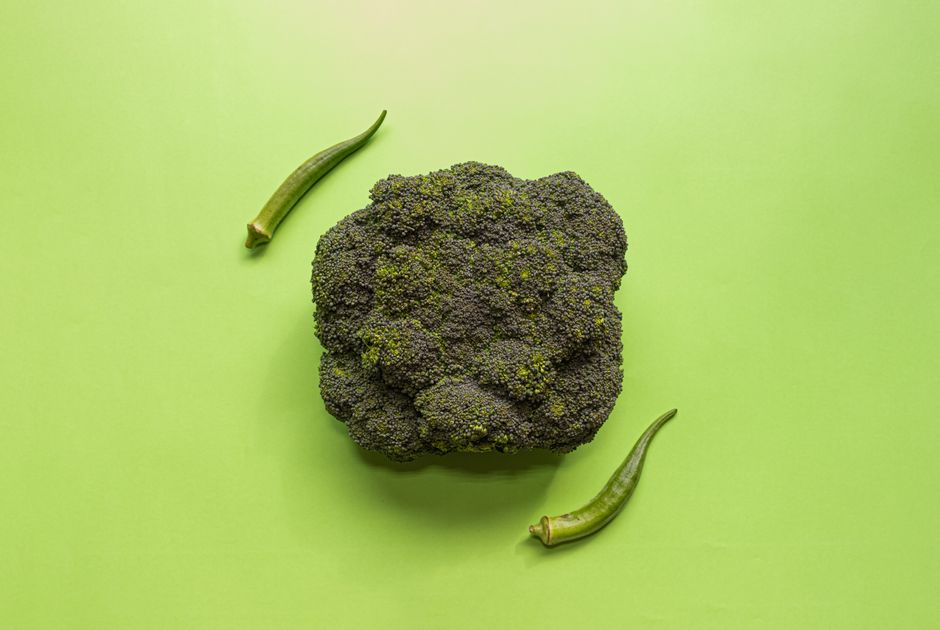
One cup of chopped raw broccoli contains about 31 calories. That number comes from the USDA food composition database, which is the standard reference for nutrition facts in the United States. Broccoli is mostly water and fiber, so it is one of the lowest-calorie vegetables you can eat while still getting a meaningful amount of nutrients.
How Many Calories In 1 Cup Of Broccoli?
A single US measuring cup of chopped raw broccoli weighs about 91 grams. In that serving you get roughly 31 calories, 2.5 grams of protein, 6 grams of carbohydrates, and about 2.4 grams of fiber. The calorie count stays nearly identical whether you eat it raw or cooked, because cooking does not add or remove calories on its own.
What changes with cooking is the water content. When you steam or boil broccoli, it absorbs some water and becomes heavier per cup. That means a cup of cooked broccoli has fewer actual broccoli pieces in it, so the calorie count per cup drops to around 27 calories. If you roast it with oil, the calories go up quickly because oil adds about 120 calories per tablespoon.
Broccoli Nutrition Facts Beyond Calories
Broccoli is not just low in calories. It is one of the most nutrient-dense vegetables available. A single cup of raw broccoli provides more than 100 percent of the daily value for vitamin C and vitamin K. It also supplies folate, potassium, and a range of B vitamins in smaller amounts.
The fiber content deserves attention. About 2.4 grams of fiber per cup is significant for a food this low in calories. Fiber slows digestion, helps with blood sugar control, and supports regular bowel movements. For people watching their weight, the combination of low calories and high fiber makes broccoli a useful food for feeling full without eating a large number of calories.
Broccoli also contains plant compounds called glucosinolates. When you chew or chop broccoli, an enzyme called myrosinase converts these compounds into others like sulforaphane. Some research suggests these compounds may have anti-inflammatory and antioxidant effects, but the evidence for disease prevention in humans is still being studied. Broccoli is a healthy vegetable regardless of these compounds, but it is worth noting that no single food prevents disease on its own.
How Cooking Changes Broccoli’s Calories and Nutrients
The way you prepare broccoli affects both its calorie count and its nutrient content. Steaming is generally considered the best method for preserving nutrients because it uses less water and shorter cooking times than boiling. Boiling can leach water-soluble vitamins like vitamin C and folate into the cooking water, which is then usually discarded.
Microwaving broccoli with a small amount of water preserves nutrients well and is a fast cooking method. Roasting at high heat caramelizes the natural sugars and changes the flavor, but it often requires added oil, which increases calories. A tablespoon of olive oil adds about 119 calories, so a roasted broccoli dish can easily go from 31 calories per cup to over 150 calories per cup.
Raw broccoli retains the most vitamin C because heat destroys some of it. If your goal is maximum vitamin C intake, eat broccoli raw or lightly steamed. If your goal is simply to eat more vegetables, any preparation that gets you to eat broccoli is a good choice.





Comparing Broccoli to Other Vegetables
Broccoli sits in the middle of the vegetable calorie range. Leafy greens like spinach and kale are lower in calories per cup, while starchy vegetables like potatoes and corn are much higher. Here is how common vegetables compare per cup:
- Spinach, raw: about 7 calories
- Kale, raw: about 33 calories
- Broccoli, raw chopped: about 31 calories
- Cauliflower, raw: about 27 calories
- Carrots, raw chopped: about 52 calories
- Green peas, cooked: about 134 calories
- Corn, cooked: about 143 calories
These numbers come from the USDA nutrient database and reflect standard serving sizes. The practical takeaway is that non-starchy vegetables are all low in calories, so the differences between them matter less than how you prepare them and what you add to them.
What Counts as One Cup of Broccoli
One cup of raw broccoli means chopped florets and stems packed into a standard measuring cup. It does not mean a whole head of broccoli, which typically weighs around 600 grams and contains several cups worth of pieces. A single crown, which is the part you usually buy at the store, yields about 2 to 3 cups of chopped broccoli.
If you are tracking calories precisely, weighing broccoli is more accurate than using cup measurements. A 100-gram portion of raw broccoli contains about 34 calories. That is a useful reference because many food labels and tracking apps list nutrition information per 100 grams rather than per cup.
Frozen broccoli is nutritionally comparable to fresh. It is usually blanched before freezing, which slightly reduces vitamin C content, but the difference is small. Frozen broccoli is often cheaper and lasts longer, making it a practical choice for regular consumption.
Is Broccoli Good for Weight Loss?
Broccoli is a reasonable food to include in a weight loss diet, but it is not a magic food. Its low calorie density means you can eat a large volume of broccoli for very few calories, which helps with satiety. The fiber and water content contribute to feeling full after a meal.
No food causes weight loss by itself. Weight loss happens when you consistently consume fewer calories than you burn. Broccoli can help with that goal because it replaces higher-calorie foods and adds volume to meals, but eating broccoli while also eating a calorie surplus will not produce weight loss.
Some popular claims suggest broccoli has special fat-burning properties. There is no clinical evidence that any compound in broccoli directly burns fat or speeds up metabolism beyond the small effect of digesting any food. The honest position is that broccoli is a healthy, low-calorie vegetable that supports weight management as part of an overall balanced diet, not because of any unique fat-burning mechanism.
Common Questions About Broccoli Calories
People often ask whether broccoli stems count differently from florets. They do not. The stem and florets have nearly identical calorie and nutrient profiles, so you can eat both without worrying about a meaningful difference.
Another frequent question is whether broccoli sprouts are healthier than mature broccoli. Broccoli sprouts contain higher concentrations of glucosinolates per gram than mature heads. However, they are typically eaten in much smaller quantities, so the total intake may be similar. Both are healthy choices.
Some people wonder if the calories in broccoli matter at all given how low they are. For most people, the calories in broccoli are not a concern. The bigger issue is what you add to it. Butter, cheese sauce, creamy dips, and cooking oils can turn a 31-calorie serving into a 200-calorie or 300-calorie side dish.
How to Fit Broccoli Into Your Daily Diet
Dietary guidelines generally recommend eating 2.5 to 3 cups of vegetables per day for adults. Broccoli can count toward that total, and one cup of broccoli provides about one-third of the daily vegetable recommendation. The exact recommendation varies by age, sex, and activity level, so check the guidelines that apply to you.
Adding broccoli to your routine does not require elaborate recipes. Raw broccoli works well with hummus or a light vinaigrette. Steamed broccoli pairs with almost any protein. Frozen broccoli can be added directly to soups, stir-fries, or pasta during the last few minutes of cooking.
If you dislike the taste, try roasting it. High heat changes the flavor significantly, reducing the bitterness that some people find off-putting. A light spray of oil and a pinch of salt is enough to make roasted broccoli palatable without adding excessive calories.
Frequently Asked Questions
How many calories are in a cup of cooked broccoli?
A cup of cooked broccoli contains about 27 calories because cooking adds water and reduces the amount of broccoli that fits in the cup. The calorie difference between raw and cooked broccoli is minimal.
Is broccoli a high-calorie vegetable?
No, broccoli is one of the lowest-calorie vegetables you can eat. A full cup contains about 31 calories, which is less than most fruits and starchy vegetables.
Does broccoli lose nutrients when cooked?
Some water-soluble vitamins like vitamin C and folate decrease with cooking, especially when boiled. Steaming or microwaving preserves more nutrients than boiling.
Can I eat broccoli every day?
Yes, eating broccoli daily is safe for most people. It is a nutrient-dense vegetable that fits easily into a balanced diet, though variety across different vegetables is still recommended.
