
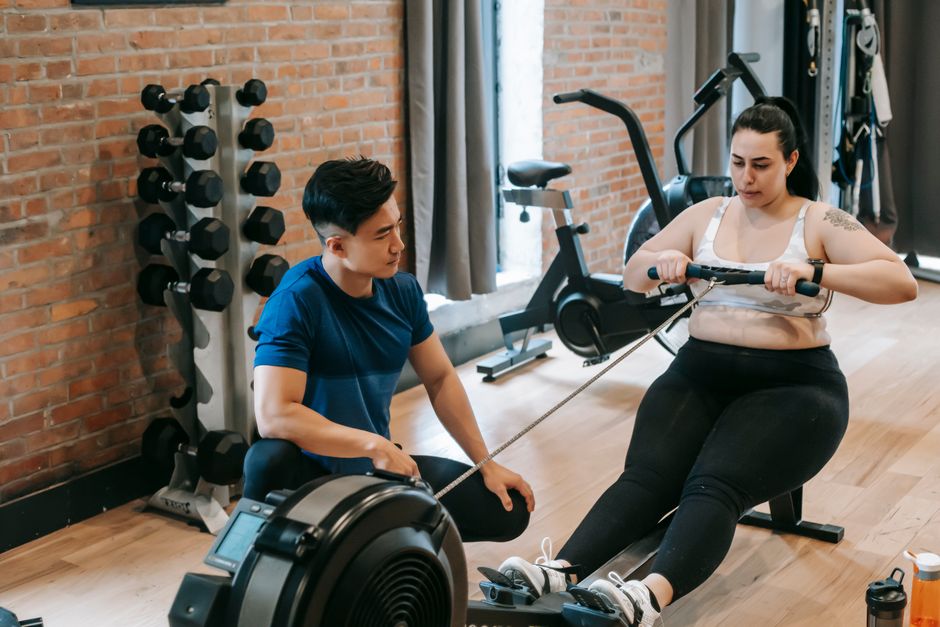
Burning 200 calories is a realistic daily goal for most people. It takes about 20 to 30 minutes of moderate activity for an average adult. The exact time depends on your body weight, the activity you choose, and how hard you work. This guide explains what the evidence actually shows so you can make your own informed choices.
What Does “Burning 200 Calories” Actually Mean for Your Body?
A calorie is a unit of energy. Your body burns calories just by existing — breathing, pumping blood, and thinking. That is your basal metabolic rate. For a 155-pound adult, the body burns roughly 1,300 to 1,600 calories per day at rest.
Burning an extra 200 calories means doing something above that baseline. A brisk 25-minute walk burns about 100 to 120 calories for most people. So 200 calories takes roughly 40 to 50 minutes of walking. A faster activity like jogging cuts that time in half.
The number on a fitness tracker or treadmill display is an estimate. Research published in the Journal of Applied Physiology found that most calorie counters overestimate by 20 to 30 percent. The actual number depends on your personal metabolism, muscle mass, and how efficiently your body moves.
How Long Does It Take to Burn 200 Calories?
Time varies by activity and body weight. A heavier person burns more calories doing the same activity as a lighter person. Here is a clear breakdown for a 155-pound adult:
| Activity | Time to Burn 200 Calories |
|---|---|
| Walking (3 mph) | 45-50 minutes |
| Jogging (5 mph) | 18-22 minutes |
| Cycling (moderate, 12-14 mph) | 20-25 minutes |
| Swimming (moderate laps) | 25-30 minutes |
| Strength training (moderate effort) | 35-45 minutes |
| HIIT workout | 15-20 minutes |
| Yoga (gentle) | 55-65 minutes |
| House cleaning (vacuuming, mopping) | 45-55 minutes |
These numbers come from the Compendium of Physical Activities, a research database maintained by the University of South Carolina. The actual burn for you could be 10 to 20 percent higher or lower depending on your body composition.
Can You Burn 200 Calories Without Exercise?
Yes, but the numbers are small and slow. Your body burns calories through non-exercise activity thermogenesis — NEAT for short. This includes fidgeting, standing, walking to the bathroom, and shifting in your chair.
Standing instead of sitting for three hours burns roughly 50 to 60 extra calories for a 155-pound person. That is a quarter of your 200-calorie goal. Fidgeting while seated adds about 20 to 30 calories per hour.
Some people claim that cold exposure or drinking ice water burns significant calories. The evidence does not support this. Drinking a glass of ice water burns about 5 calories as your body warms it up. A cold shower burns roughly 15 to 20 extra calories. These effects are real but trivial for a 200-calorie goal.
The most effective non-exercise strategy is increasing your daily step count. Adding 2,000 steps to your normal day burns roughly 80 to 100 calories. That gets you halfway to 200 without structured exercise.





Does the Type of Food You Eat Change How Many Calories You Burn?
Yes, but the effect is smaller than most articles claim. The thermic effect of food is the energy your body uses to digest and process what you eat. Protein has the highest thermic effect at about 20 to 30 percent. This means if you eat 100 calories of protein, your body burns 20 to 30 calories just digesting it.
Carbohydrates have a thermic effect of 5 to 10 percent. Fats have the lowest at 0 to 3 percent. A high-protein meal burns more calories during digestion than a high-fat meal.
The total daily difference between a high-protein diet and a high-fat diet is roughly 80 to 120 calories for most people. That is meaningful but not massive. You cannot eat 200 extra calories of protein and expect to burn all of them off through digestion alone.
Some people claim that spicy foods like cayenne pepper boost metabolism significantly. Research published in the journal Physiology & Behavior found that capsaicin increases calorie burn by about 10 calories over a few hours. That is a real but small effect. It is not a shortcut to burning 200 calories.
What Actually Works to Burn 200 Calories Consistently?
Consistency matters more than intensity for most people. Here is what the evidence points to:
- Walking is the most reliable method. A 45-minute walk at a moderate pace burns 200 calories for almost any adult. It requires no equipment, no gym, and no special skill.
- High-intensity interval training saves time. HIIT burns 200 calories in 15 to 20 minutes. The trade-off is that it feels harder and requires more recovery. Research from the American College of Sports Medicine shows HIIT is effective but not sustainable for everyone as a daily habit.
- Strength training builds long-term burn. Lifting weights does not burn many calories during the workout — roughly 100 to 150 per 30 minutes. But it increases muscle mass, which raises your resting metabolic rate. Over months, that makes every activity burn slightly more.
- Daily movement adds up. Walking to the store, taking stairs, and standing while working all contribute. A person who adds 30 minutes of general movement throughout the day burns 100 to 150 extra calories without a dedicated workout.
The most common mistake is relying on one method and giving up when it does not work perfectly. Walking on Monday, doing HIIT on Wednesday, and lifting on Friday covers more ground than any single approach.
Common Misconceptions About Burning 200 Calories
Several viral claims about calorie burning are not supported by good evidence.
The “afterburn effect” is real but small. Exercise increases your metabolic rate for a few hours after you stop. For moderate exercise, this adds roughly 20 to 40 calories. For intense exercise, it adds 50 to 80 calories. That is not nothing, but it is not the 200-calorie bonus some influencers claim.
Spot reduction is not real. Doing 100 crunches does not burn belly fat. Your body pulls energy from fat stores all over, not just the area you are working. Research published in the Journal of Strength and Conditioning Research confirmed this in multiple studies.
Saunas and sweat suits do not burn fat. They make you lose water weight temporarily. The scale drops, but your body fat percentage stays the same. As of 2026, there is no clinical evidence that passive heat exposure burns meaningful calories.
Some people claim that certain supplements can burn 200 calories a day. Caffeine increases calorie burn by about 10 to 20 calories per cup for a few hours. Green tea extract has a similar small effect. No supplement on the market has been shown in peer-reviewed research to burn 200 calories a day on its own.
Frequently Asked Questions
Frequently Asked Questions
How many steps does it take to burn 200 calories?
For a 155-pound person, roughly 4,500 to 5,500 steps at a moderate walking pace will burn 200 calories. Heavier people burn it in fewer steps.
Can I burn 200 calories in 10 minutes?
Only with very high-intensity activity like sprinting or burpees. Most people would need 15 to 20 minutes of intense effort to reach 200 calories.
Does drinking cold water help burn 200 calories?
No. Drinking a glass of ice water burns about 5 calories. You would need to drink 40 glasses to reach 200 calories.
Is burning 200 calories a day enough for weight loss?
It creates a small deficit. Over a month, burning 200 calories daily equals roughly 6,000 calories or about 1.7 pounds of fat loss.
