
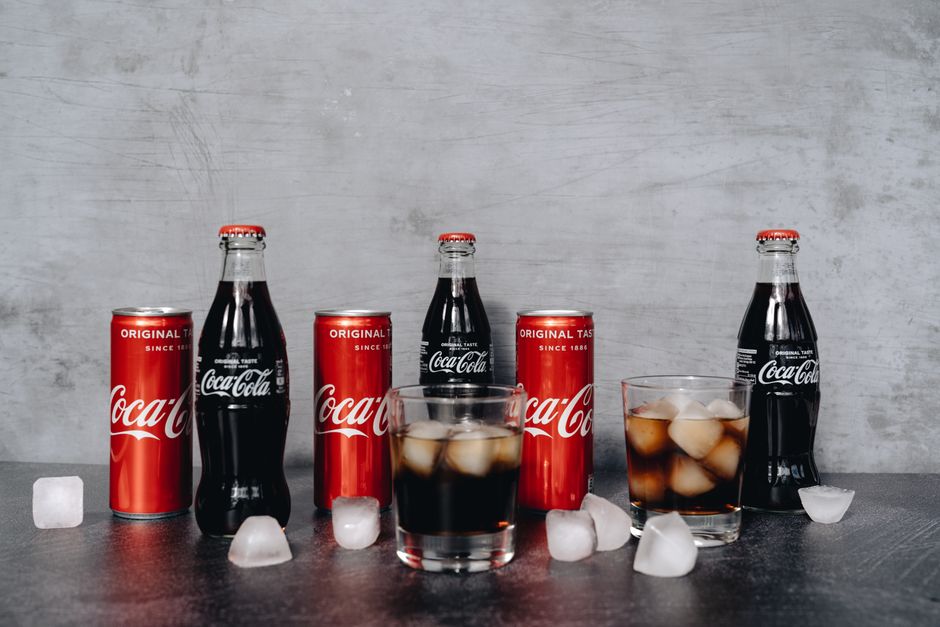
A standard 12-ounce can of Coca-Cola contains 140 calories. A 20-ounce bottle, which is more common at convenience stores, has 240 calories. All of those calories come from added sugar — 39 grams in the can and 65 grams in the bottle. That is roughly 10 to 16 teaspoons of sugar in a single drink.
How Many Calories in Different Sizes of Coke?
The calorie count changes directly with the size of the container. Coke contains no fat, no protein, and no fiber. Every calorie comes from sugar alone.
Here is the breakdown for standard Coca-Cola sizes sold in the United States:
| Size | Calories | Sugar (grams) | Sugar (teaspoons) |
|---|---|---|---|
| 7.5 oz mini can | 90 | 25 | 6 |
| 12 oz can | 140 | 39 | 10 |
| 16 oz bottle | 190 | 52 | 13 |
| 20 oz bottle | 240 | 65 | 16 |
| 1 liter bottle | 400 | 108 | 27 |
| 2 liter bottle | 800 | 216 | 54 |
Most people do not think of a 20-ounce bottle as two and a half servings. But the label on a 20-ounce bottle says it contains 2.5 servings. If you drink the whole bottle, you are getting 2.5 times the calories listed for one serving.
Where Do the Calories in Coke Actually Come From?
Every calorie in a regular Coca-Cola comes from high fructose corn syrup in the United States. In other countries, the sweetener is often cane sugar. The body processes both nearly the same way.
High fructose corn syrup is about 55 percent fructose and 45 percent glucose. Sucrose, or table sugar, is 50 percent fructose and 50 percent glucose. The difference is small enough that your liver and muscles do not distinguish between them. Research published in the American Journal of Clinical Nutrition found that the metabolic effects of high fructose corn syrup and sucrose are essentially identical.
The key point is that these are empty calories. A 12-ounce can of Coke provides no vitamins, no minerals, no fiber, and no protein. The 140 calories are pure sugar with no nutritional value to support your body.
Some people argue that a calorie from sugar is the same as a calorie from broccoli. That is true in a physics lab. But in your body, sugar calories spike blood glucose, trigger insulin release, and do not signal fullness. A 140-calorie can of Coke will not reduce your appetite the way 140 calories of oatmeal or eggs would.
How Do Coke Calories Compare to Other Drinks?
Many people switch to juice or sports drinks thinking they are healthier. The calorie counts tell a different story.
Here is how a 12-ounce serving of different drinks compares:
- Regular Coke: 140 calories, 39g sugar
- Orange juice (not from concentrate): 165 calories, 33g sugar
- Gatorade: 80 calories, 21g sugar
- Whole milk: 150 calories, 12g sugar (natural lactose)
- Apple juice: 180 calories, 42g sugar
- Sweetened iced tea: 120 calories, 30g sugar
- Diet Coke: 0 calories, 0g sugar
Orange juice and apple juice often contain more sugar than Coke by volume. The difference is that fruit juice also provides vitamin C, potassium, and some antioxidants. Coke provides none of those. But from a pure calorie and sugar standpoint, fruit juice is not a free pass.
The American Heart Association recommends men consume no more than 36 grams of added sugar per day and women no more than 25 grams. A single 12-ounce Coke exceeds the daily limit for women and hits the limit for men.





Do Diet Coke and Coke Zero Have Calories?
Diet Coke and Coke Zero contain zero calories. They are sweetened with artificial sweeteners — aspartame and acesulfame potassium — instead of sugar. The FDA has approved both as safe for consumption.
Some people report that diet sodas trigger sugar cravings or make them hungrier later. The evidence on this is mixed. A 2018 review in Nutrients found that non-nutritive sweeteners do not consistently increase appetite in controlled studies. But individual responses vary. Some people feel fine drinking diet soda. Others find it makes them crave real sugar.
The calorie math is straightforward. Replacing one 20-ounce regular Coke per day with a zero-calorie version saves you 240 calories daily. Over a year, that is 87,600 calories — roughly 25 pounds of body weight, if nothing else changes. Real-world weight loss is rarely that clean because people compensate with other foods. But the calorie savings are real.
There is a common claim that artificial sweeteners cause cancer. This has been studied extensively. The National Cancer Institute states that there is no clear evidence that artificial sweeteners approved in the United States cause cancer in humans at normal consumption levels. The studies that raised concern in the 1970s used rats fed extremely high doses — far beyond what any human would consume.
How Many Calories Do You Burn Drinking Coke?
The body does not burn extra calories processing sugary drinks. This is a myth that circulates online. Your body does use a small amount of energy to digest and metabolize any food or drink. This is called the thermic effect of food. For sugar, it is roughly 5 to 10 percent of the calories consumed.
That means drinking a 140-calorie Coke burns about 7 to 14 calories during digestion. You are still netting 126 to 133 calories. The idea that you can “drink cold water to burn calories” or that “sugar calories cancel out” has no basis in physiology.
Some people also believe that the caffeine in Coke boosts metabolism enough to offset the sugar calories. Caffeine does increase metabolic rate slightly — about 3 to 11 percent for a few hours after consumption. But this effect is small. A typical 12-ounce Coke contains 34 milligrams of caffeine. That is about one-third of a standard cup of coffee. The metabolic boost from that amount of caffeine burns roughly 10 to 20 extra calories per day. Not enough to make a meaningful dent in the 140 calories you just drank.
What Happens to Your Body After Drinking a Coke?
Within 20 minutes of drinking a 12-ounce Coke, your blood sugar spikes. Your pancreas releases insulin to move that sugar into your cells. The liver converts excess sugar into fat for storage.
After about 40 minutes, the caffeine from the Coke is fully absorbed. Your pupils dilate slightly. Your blood pressure rises. Your brain blocks adenosine, the chemical that makes you feel tired. This is why people feel alert after drinking soda.
After 60 minutes, the blood sugar crash can begin. Insulin has done its job, and blood sugar levels drop below where they started. This can leave you feeling tired, irritable, or hungry again. This is the “sugar crash” that many people describe.
These effects are not unique to Coke. Any drink with a similar amount of sugar and caffeine will produce the same pattern. The body does not distinguish between Coke sugar and sugar from honey, agave, or fruit juice. It processes all simple sugars the same way.
Regular consumption of high-sugar drinks is linked to weight gain, type 2 diabetes, and metabolic syndrome. The CDC reports that sugary drinks are the largest source of added sugar in the American diet. Reducing or eliminating them is one of the most effective single dietary changes for improving metabolic health.
Frequently Asked Questions
How many calories are in a 12 oz can of Coke?
A 12-ounce can of Coca-Cola contains 140 calories, all from 39 grams of added sugar.
How many calories are in a 20 oz bottle of Coke?
A 20-ounce bottle of Coca-Cola contains 240 calories and 65 grams of sugar.
Does Diet Coke have any calories?
Diet Coke contains zero calories because it is sweetened with artificial sweeteners instead of sugar.
How much sugar is in a can of Coke?
A 12-ounce can of Coke contains 39 grams of sugar, which equals about 10 teaspoons.
