
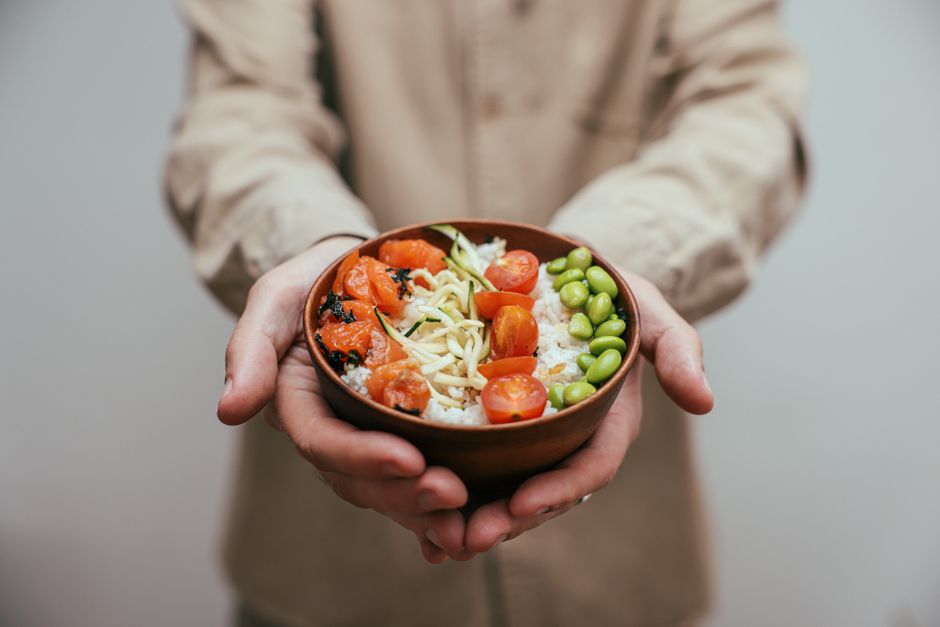
A single cup of cooked white rice has about 200 calories. A cup of cooked brown rice has roughly 215 calories. These numbers are for plain rice with nothing added. The exact count depends on the type of rice and how long it cooks.
Rice is a staple food for more than half the world. It is also one of the most common questions people have when tracking what they eat. The answer is straightforward for plain rice. It gets complicated once you add butter, oil, or sauces.
How Many Calories Are in Different Types of Rice?
The calorie difference between rice varieties is smaller than most people think. White rice and brown rice are close in calories. The real difference is in fiber and nutrients, not energy.
Here is a breakdown of common rice types per one cup of cooked rice:
| Rice Type | Calories (1 cup cooked) | Fiber | Protein |
|---|---|---|---|
| White long-grain | 205 | 0.6 g | 4.2 g |
| Brown long-grain | 216 | 3.5 g | 5.0 g |
| White jasmine | 205 | 0.5 g | 4.0 g |
| White basmati | 190 | 0.6 g | 4.1 g |
| Brown basmati | 210 | 3.2 g | 4.8 g |
| Wild rice | 165 | 3.0 g | 6.5 g |
| Arborio (risotto) | 220 | 0.4 g | 4.0 g |
| Instant white | 180 | 0.4 g | 3.8 g |
Wild rice has the fewest calories and the most protein. Brown rice has more fiber than white rice. But the calorie difference is only about 10 to 30 calories per cup. That is not enough to make or break a diet.
Does Cooking Method Change the Calories in Rice?
Cooking method does not change the calories in rice by itself. Rice absorbs water as it cooks. The water adds weight but no calories. So a cup of cooked rice has fewer dry grains than a cup of uncooked rice.
One cup of dry white rice has about 680 calories. That same cup of dry rice makes about three cups of cooked rice. The water dilutes the calorie density. This is why portion size matters more than cooking method.
What changes calories is what you add. A tablespoon of butter adds 100 calories. A tablespoon of oil adds 120 calories. Coconut milk adds about 50 calories per quarter cup. Rice cooked in broth instead of water adds negligible calories unless the broth has added fat.
The USDA reports that adding fat to rice during cooking is the single biggest source of hidden calories. One study found that restaurant fried rice has 50 to 100 percent more calories than plain steamed rice from the same amount of dry grains.
Does the Way You Prepare Rice Affect How Many Calories You Absorb?
Some people claim that cooling rice changes its calorie count. This is not true for the calories in the rice itself. But it might change how many calories your body absorbs.
When cooked rice cools, some of the starch turns into resistant starch. Resistant starch is not digested in the small intestine. It passes to the colon where gut bacteria break it down. This process produces fewer calories than digesting regular starch.
Research from the University of Sri Lanka found that cooling rice for 12 to 24 hours increased resistant starch content by about 10 times. Reheating the rice did not reverse all of this change. The effect was strongest for white rice.
This is a real biological effect. But it is small. One study calculated that cooling rice reduces absorbable calories by roughly 10 to 15 percent. That means a 200-calorie serving of white rice might become 170 to 180 absorbable calories after cooling and reheating.
Some people report that this method helps them feel fuller or manage blood sugar. The evidence for blood sugar benefits is stronger than the evidence for weight loss. The American Diabetes Association has noted that resistant starch can improve post-meal glucose response.




What About Rice and Weight Loss?
Rice is not fattening on its own. It is a carbohydrate-dense food. But the problem is almost always portion size and what is added to it.
A standard serving of cooked rice is half a cup. That is about 100 calories for white rice. Most restaurant servings are two to three times that. A typical Chinese takeout container holds about three cups of rice. That is 600 to 650 calories just from the rice.
Research from the Harvard School of Public Health found that people who ate more white rice had a higher risk of type 2 diabetes. But this was linked to overall diet quality, not rice itself. People who ate brown rice had lower risk. The difference was likely due to fiber and how fast the rice raises blood sugar.
If you are trying to lose weight, rice can fit into your diet. The key is controlling portions. Half a cup of cooked rice is about the size of a tennis ball. Most people eat more than that at a meal.
Some studies suggest that substituting cauliflower rice for regular rice can cut 150 to 200 calories per serving. This is a simple swap that works for many people. But you do not have to give up rice entirely.
How Many Calories in Rice Dishes?
Plain rice is one thing. Rice dishes are another. The calories add up fast when you combine rice with other ingredients.
Here are estimates for common rice dishes based on standard recipes:
- Fried rice (1 cup): 250 to 350 calories
- Rice and beans (1 cup): 250 to 300 calories
- Rice pilaf (1 cup): 220 to 280 calories
- Jambalaya (1 cup): 300 to 400 calories
- Risotto (1 cup): 300 to 400 calories
- Rice pudding (1 cup): 350 to 450 calories
- Sushi roll (6 pieces): 200 to 300 calories
The range is wide because ingredients vary. Fried rice with vegetables and a little oil is different from fried rice with eggs, pork, and extra oil. The only way to know for sure is to measure what you put in.
Restaurant rice dishes are almost always higher in calories than homemade versions. A study in the Journal of the Academy of Nutrition and Dietetics found that restaurant fried rice had an average of 320 calories per cup. Homemade versions averaged 240 calories per cup.
What Are Common Misconceptions About Rice Calories?
Many viral claims about rice and calories are not supported by evidence. Here are the most common ones:
Claim: Brown rice has significantly fewer calories than white rice. The difference is about 10 to 15 calories per cup. That is not significant for most people. The real benefit of brown rice is fiber, not calories.
Claim: Rice makes you gain weight because it is a carbohydrate. Carbohydrates do not cause weight gain. Excess calories cause weight gain. Rice is calorie-dense, but so are many other foods. The problem is portion size, not the food itself.
Claim: Cooling rice removes all the calories. This is false. Cooling rice changes some starch into resistant starch. This reduces absorbable calories by about 10 to 15 percent. It does not remove calories. The rice still has calories. You just absorb fewer of them.
Claim: Instant rice is lower in calories. Instant rice has slightly fewer calories because it is processed differently. The difference is about 20 to 25 calories per cup. This is not enough to matter for most people. Instant rice also has less fiber.
Claim: Rinsing rice removes calories. Rinsing removes surface starch. This can change the texture. It does not remove a meaningful number of calories. The starch that rinses off is a tiny fraction of the total.
How to Measure Rice Portions Accurately
Most people overestimate how much rice they eat. This is the main reason calorie tracking fails for rice.
The most accurate way is to weigh the rice on a kitchen scale. One cup of cooked white rice weighs about 158 grams. One cup of cooked brown rice weighs about 195 grams. The difference is because brown rice absorbs more water.
If you do not have a scale, use measuring cups. A standard serving is half a cup of cooked rice. That is about the size of a cupcake wrapper. A full cup is the size of a baseball.
For dry rice, one cup of dry white rice makes about three cups cooked. One cup of dry brown rice makes about two and a half cups cooked. This ratio matters if you meal prep and cook large batches.
The USDA MyPlate guidelines recommend that grains make up about a quarter of your plate. For most people, that means half a cup to one cup of cooked rice per meal. This is a reasonable starting point for most adults.
If you eat rice daily, the small differences add up. Swapping white rice for brown rice saves about 50 calories per week if you eat one cup per day. Swapping half your rice for vegetables can save 500 or more calories per week.
Frequently Asked Questions
How many calories are in a cup of cooked white rice?
A cup of cooked white rice has about 200 to 205 calories. This is for plain rice with no added fat or salt.
Does brown rice have fewer calories than white rice?
Brown rice has about 10 to 15 more calories per cup than white rice. The main benefit of brown rice is more fiber, not fewer calories.
How many calories are in a bowl of rice from a restaurant?
A typical restaurant bowl of rice is about 1.5 to 2 cups. That means 300 to 400 calories for plain rice, and more if it is fried or seasoned.
Does cooling rice reduce the calories?
Cooling rice creates resistant starch, which reduces absorbable calories by about 10 to 15 percent. The rice still has calories, but your body absorbs fewer of them.
