
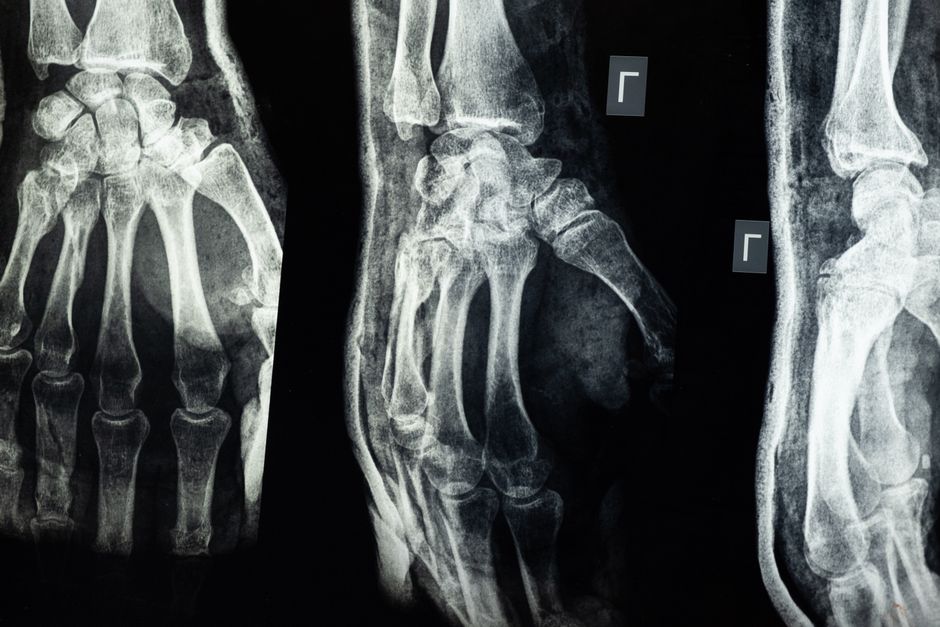
Your wrist is far more complex than it looks. Most people assume it is a simple hinge joint, but it is actually one of the most intricate structures in the body. If you are asking how many bones are in the wrist joint, the direct answer is eight. These eight small bones, known as the carpal bones, work together with the two forearm bones to give your hand its remarkable range of motion. Understanding this anatomy helps explain why wrist injuries are so common and why recovery can take time.
How Many Bones In Wrist Joint? The Direct Answer
The wrist joint contains eight carpal bones arranged in two neat rows. These bones sit between the two long bones of the forearm—the radius and ulna—and the five long bones of the hand, called the metacarpals. This arrangement creates a highly mobile but somewhat fragile structure.
The eight carpal bones are small and roughly cube-shaped. They do not move independently like finger bones. Instead, they glide and rotate against each other in coordinated patterns. This complex movement is what allows you to rotate your hand, bend it up and down, and move it side to side.
The Two Rows of Carpal Bones Explained
The carpal bones are divided into a proximal row and a distal row. The proximal row sits closer to the forearm. The distal row sits closer to the fingers.
The proximal row contains four bones. Starting from the thumb side, they are the scaphoid, lunate, triquetrum, and pisiform. The scaphoid is the most commonly fractured carpal bone. It is also the one most likely to cause long-term problems because it has a poor blood supply.
The distal row also contains four bones. Starting from the thumb side, they are the trapezium, trapezoid, capitate, and hamate. The capitate is the largest carpal bone. It sits at the center of the wrist and acts as a keystone for the entire structure.
Why the Wrist Is Not Just One Joint
Strictly speaking, the wrist is not a single joint. It is a complex of multiple joints working together. The main joint, called the radiocarpal joint, is where the radius meets the scaphoid and lunate bones. This is the primary joint responsible for bending the wrist up and down.
Below that, the midcarpal joint sits between the proximal and distal rows of carpal bones. This joint contributes significantly to side-to-side motion. There are also small joints between each individual carpal bone. All of these joints together give the wrist its full range of motion.
This complexity explains why a wrist injury is rarely simple. A fall on an outstretched hand can damage ligaments, fracture bones, or both. Because so many bones and joints are packed into such a small space, injuries often involve multiple structures at once.





How the Forearm Bones Fit In
The radius and ulna are not part of the wrist joint itself, but they are essential to how it works. The radius is the larger of the two forearm bones. It bears most of the load when you push or lift. The ulna sits on the pinky side of the forearm and plays a smaller role in wrist motion.
At the wrist, the radius forms a cup-like surface that cradles the carpal bones. The ulna does not directly connect to the carpal bones. Instead, it connects to the radius through a structure called the triangular fibrocartilage complex. This cartilage acts as a cushion and stabilizer.
When people break their wrist, they usually break the distal radius. This is one of the most common fractures in adults. It happens most often from a fall onto an outstretched hand. The scaphoid is the second most commonly fractured bone in this area.
Common Wrist Injuries and Why They Happen
Wrist injuries fall into a few main categories. Fractures are breaks in one or more bones. Sprains are injuries to the ligaments that hold the bones together. Tendon injuries affect the tissues that move the wrist and fingers.
Scaphoid fractures deserve special attention. This bone has a fragile blood supply. When it breaks, the blood flow can be interrupted. If the fracture does not heal properly, the bone can die, a condition called avascular necrosis. This is why scaphoid fractures often require casting for longer periods than other wrist fractures.
Distal radius fractures are extremely common, especially in older adults with weaker bones. They are also common in young athletes. Treatment depends on whether the bone fragments are aligned. Some fractures heal with a cast. Others require surgery to hold the bones in place with plates and screws.
Wrist sprains range from mild to severe. A mild sprain stretches a ligament. A severe sprain tears it completely. The most severe wrist sprain involves a ligament called the scapholunate ligament, which connects the scaphoid and lunate bones. A tear here can lead to chronic instability and arthritis if left untreated.
When to See a Doctor for Wrist Pain
Not every wrist ache needs medical attention. Minor soreness after unaccustomed activity often resolves on its own. But some symptoms warrant a professional evaluation.
Seek medical care if you have significant swelling, visible deformity, or inability to move the wrist. Seek care if the pain prevents you from bearing weight on the hand or if numbness and tingling develop in the fingers. These symptoms can indicate a fracture, nerve injury, or severe ligament tear.
One important point: a broken wrist does not always look broken. Some fractures cause only mild pain and swelling. People sometimes continue using the hand and assume the injury is just a sprain. Delaying treatment for a scaphoid fracture, in particular, can lead to poor healing and long-term problems.
How Wrist Anatomy Affects Recovery
Recovery from wrist injuries depends heavily on which bones are involved. The wrist has limited blood flow compared to other areas of the body. This means healing can be slow. A simple distal radius fracture may heal in six to eight weeks. A scaphoid fracture can take three months or longer.
Physical therapy is often necessary after casting or surgery. The wrist stiffens quickly when immobilized. Regaining full range of motion takes time and consistent effort. Many people are surprised by how long it takes to return to full strength after a wrist fracture.
Age also plays a role. Younger patients typically heal faster and regain more motion. Older patients face a higher risk of stiffness and long-term arthritis. Bone density matters too. People with osteoporosis are more likely to sustain fractures from minor falls.
How to Protect Your Wrist Joint
You cannot prevent every wrist injury, but you can reduce your risk. Maintaining bone density through adequate calcium and vitamin D intake helps. Weight-bearing exercise strengthens bones and improves balance, which reduces the likelihood of falls.
For athletes, proper technique matters. Skaters, snowboarders, and cyclists should wear wrist guards designed for their sport. These guards absorb impact and reduce the risk of fracture during a fall. They do not eliminate the risk entirely, but they do offer meaningful protection.
If you have already had a wrist injury, strengthening the surrounding muscles can help stabilize the joint. Grip strength exercises and gentle resistance training can improve support. A physical therapist can design a program appropriate for your specific situation.
Frequently Asked Questions
How many bones are in the wrist joint?
There are eight carpal bones in the wrist joint. They are arranged in two rows of four bones each.
What is the most commonly broken bone in the wrist?
The distal radius is the most commonly broken bone in the wrist. The scaphoid is the most commonly broken carpal bone.
Is a wrist sprain or a fracture more common?
Sprains are more common than fractures. However, fractures are often mistaken for sprains because both cause pain and swelling.
How long does a broken wrist take to heal?
A distal radius fracture typically heals in six to eight weeks. A scaphoid fracture can take three months or longer to heal.
