
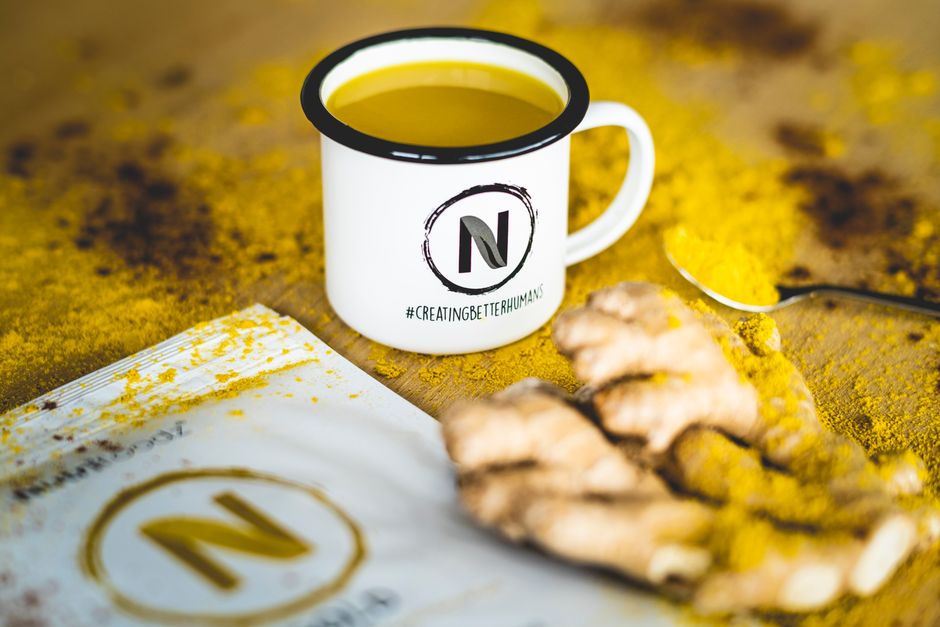
Golden milk is a warm drink made with milk and turmeric, along with other spices like ginger, cinnamon, and black pepper. It is also called turmeric milk or a turmeric latte. The drink has been part of traditional Ayurvedic medicine for centuries, and it has become popular in coffee shops and wellness circles in recent years. People drink it for its possible anti-inflammatory effects, mostly because turmeric contains a compound called curcumin.
What Is Golden Milk?
Golden milk is a simple beverage. The base is milk. That can be dairy milk or a plant-based milk like oat, almond, or coconut. The key ingredient is turmeric, the bright yellow-orange spice that gives the drink its color. Most recipes also include black pepper, which matters more than most people realize.
The drink has roots in Ayurveda, the traditional medicine system of India. There, it has been used as a home remedy for colds, joint pain, and digestive issues. That history is real, but it does not prove the drink works for those problems. Traditional use and modern evidence are not the same thing.
What Does the Science Say About Turmeric and Curcumin?
Turmeric contains curcumin, a polyphenol that has been studied for its anti-inflammatory and antioxidant properties. Laboratory studies and animal studies have shown that curcumin can influence several inflammatory pathways in the body. That is well established.
Here is the problem. Curcumin is poorly absorbed by the human body. When you eat turmeric, most of the curcumin passes through your digestive system without entering your bloodstream. The body breaks it down quickly and eliminates it. This is why so much of the research on curcumin uses concentrated extracts, not the spice itself.
Black pepper helps with this. Black pepper contains piperine, a compound that has been shown to increase curcumin absorption significantly. Some research suggests piperine can boost absorption by up to 2,000 percent, though this figure comes from specific studies and may not apply exactly to golden milk as it is normally made. Still, the mechanism is sound. Adding black pepper to golden milk is not just tradition. It makes biological sense.
Does Golden Milk Actually Reduce Inflammation?
The evidence for curcumin supplements is more substantial than the evidence for golden milk itself. Clinical trials have looked at curcumin extracts for conditions like osteoarthritis, metabolic syndrome, and inflammatory bowel disease. Some studies show modest benefits. Others show no clear effect. The results are mixed, and study quality varies.
No large human trials have tested golden milk as a drink for inflammation. When you drink golden milk, you are getting a small amount of curcumin. Even with black pepper, the dose is far lower than what is used in the supplement studies. You can reasonably say that golden milk is a pleasant way to consume turmeric. You cannot say that a cup of it will meaningfully lower inflammation in your body. That claim is not supported by evidence.
Some research suggests that curcumin may be more effective when taken with fats, since curcumin is fat-soluble. If you make golden milk with whole dairy milk or coconut milk, the fat content may help with absorption. This is biologically plausible, but it has not been confirmed in human trials.




Potential Health Benefits Beyond Inflammation
Golden milk is often promoted for other benefits. Here is what the evidence actually shows.
Digestion. Ginger, a common ingredient in golden milk, has some evidence behind it for nausea and digestive comfort. The evidence for turmeric itself on digestion is limited.
Sleep. Some people drink golden milk before bed. The warmth and routine may help with sleep, but no clinical evidence confirms that turmeric improves sleep quality. If the drink is part of a calming bedtime routine, that routine may be what helps.
Immune support. This is a common marketing claim. No study has confirmed that golden milk prevents colds or boosts immunity. Turmeric has antioxidant properties in laboratory settings, but translating that to immune protection in humans requires more evidence.
Joint pain. Curcumin supplements have been studied for osteoarthritis with mixed results. Some trials show pain reduction comparable to certain anti-inflammatory drugs, but the quality of these trials varies. Golden milk itself has not been studied for joint pain.
How to Make Golden Milk at Home
A basic golden milk recipe includes milk, turmeric, black pepper, and often ginger and cinnamon. Some people add honey or a sweetener. Here is a simple version.
Heat one cup of milk in a saucepan over low to medium heat. Add about half a teaspoon of ground turmeric and a pinch of black pepper. Add a small piece of fresh ginger or a quarter teaspoon of ground ginger, and a cinnamon stick or a pinch of ground cinnamon. Whisk until warm and well combined. Sweeten to taste with honey or maple syrup if you like.
Some store-bought golden milk powders and concentrates exist. Check the label. Many contain added sugar. Some contain very little actual turmeric. The amount of curcumin in these products varies widely, and no standard exists for how much should be in a serving.
Risks and Who Should Be Careful
Golden milk is generally safe for most people when consumed as a food. Turmeric in culinary amounts is considered safe. Problems are more likely with turmeric supplements, which contain much higher doses of curcumin.
People who take blood thinners should be cautious. High doses of curcumin may interact with anticoagulant medications like warfarin. This interaction is documented in the medical literature, though it applies more to supplements than to a cup of golden milk. If you take blood thinners, talk to your doctor before regularly consuming turmeric in large amounts.
People with gallbladder disease should also be careful. Turmeric can stimulate bile production, which may worsen symptoms for people with gallstones or bile duct obstruction.
Pregnant women can consume turmeric in food amounts. High-dose supplements are not recommended during pregnancy. No clinical guidelines exist for golden milk specifically during pregnancy, so the sensible approach is to treat it as a food, not a medicine.
People with iron deficiency should know that turmeric can reduce iron absorption. If you take iron supplements, avoid taking them at the same time as golden milk.
Is Golden Milk a Health Food or Just a Trend?
Golden milk sits somewhere in between. It is a real traditional beverage with a long history. It contains spices that have documented biological activity. The main active compound, curcumin, has genuine anti-inflammatory properties in laboratory research.
But the drink itself has not been studied in clinical trials. The dose of curcumin in a single cup is small. The marketing around golden milk often overstates what the science shows. Terms like “anti-inflammatory superfood” and “healing drink” go beyond the evidence.
The honest position is this. Golden milk is a flavorful, warming drink made with ingredients that are generally good for you. It can be part of a healthy diet. It is not a treatment for any condition, and no evidence suggests it can replace medical care for inflammatory diseases or any other health problem.
Frequently Asked Questions
Is golden milk good for you?
Golden milk is a safe, flavorful drink made with spices that have some documented health properties. It is not a medicine, and no clinical evidence confirms that it treats or prevents any condition.
Does golden milk help you sleep?
No clinical evidence confirms that golden milk improves sleep. The warm milk and bedtime routine may help some people relax, but that effect is not specific to turmeric.
Can I drink golden milk every day?
Drinking golden milk daily is likely fine for most people as long as you use culinary amounts of turmeric. If you take blood thinners or have gallbladder disease, talk to your doctor first.
Why does golden milk need black pepper?
Black pepper contains piperine, which has been shown to increase curcumin absorption in the body. Without black pepper, most of the curcumin in turmeric passes through without being absorbed.
