
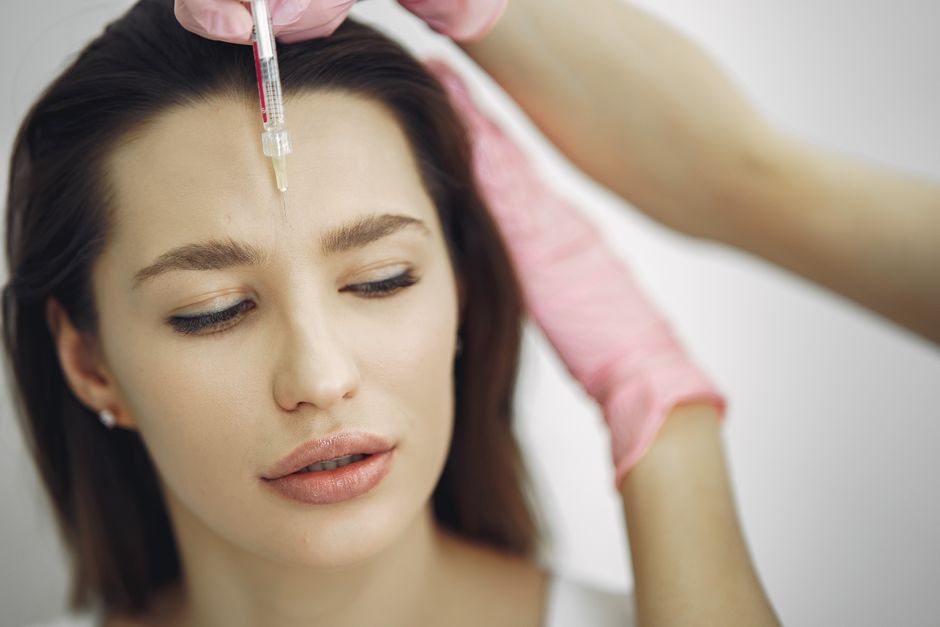
Forehead Botox typically costs between $200 and $600 per treatment session in the United States. The final price depends on where you live, the experience of the injector, and how many units of Botox you actually need. Most people need 10 to 30 units for the forehead alone, and the effects usually last three to four months before you need another session.
How Much Is Forehead Botox Per Unit?
Botox is sold by the unit, and the price per unit is the clearest way to compare costs. In most US cities, clinics charge between $10 and $20 per unit. Some high-end practices in major cities charge more, while med spas in smaller towns may charge less.
Your total cost is the number of units multiplied by the per-unit price. If you need 20 units and the clinic charges $15 per unit, your treatment costs $300. That math is straightforward. The confusing part is that different injectors use different amounts for the same result.
Some clinics advertise a flat rate for forehead Botox instead of charging per unit. These packages usually range from $250 to $500 for one session. Flat-rate pricing can be a good deal if you need a higher number of units, but it can also mean you pay for more units than you actually need.
What Determines the Number of Units You Need?
There is no single standard dose for forehead Botox. The number of units depends on the strength of your forehead muscles, the depth of your wrinkles, and your treatment goals.
People with strong forehead muscles that pull hard when they raise their eyebrows need more units. People with softer wrinkles and weaker muscles need fewer. A skilled injector assesses your muscle strength and facial anatomy before deciding on a dose.
- Mild wrinkles: 10 to 15 units
- Moderate wrinkles: 15 to 25 units
- Deep wrinkles or strong muscles: 25 to 30 units
These ranges are general guidance, not a prescription. Only a licensed professional can determine the right dose for your face. Asking for more units than recommended increases your risk of side effects, including a frozen or heavy-looking forehead.
Why Do Prices Vary So Much Between Clinics?
Price differences come down to three main factors: geography, provider qualifications, and the clinic’s overhead costs.
Clinics in New York, Los Angeles, and Miami charge more than clinics in smaller cities. Rent, staff salaries, and insurance all factor into the price. A clinic in Manhattan paying high rent will charge more per unit than a suburban clinic with lower overhead.
Provider qualifications matter too. A board-certified dermatologist or plastic surgeon typically charges more than a nurse injector at a med spa. The higher price reflects their medical training and experience, not just their brand name.
Be cautious about unusually cheap Botox deals. If a clinic charges $5 per unit, ask questions. Botox is a prescription medication that must be stored and handled correctly. Extremely low prices can indicate diluted product, improper storage, or an inexperienced injector.





How Many Sessions Do You Need Per Year?
Botox effects wear off as your body gradually metabolizes the product. Most people see full results for about three to four months, then notice the effects fading over the following weeks.
If you want continuous wrinkle reduction, you need treatment every three to four months. That means three to four sessions per year. At $300 per session, the annual cost lands between $900 and $1,200.
Some people find they can extend the time between sessions. After repeated treatments, the forehead muscles may become weaker over time. Some patients report needing fewer units or less frequent treatments after a year or two of consistent use. This is not guaranteed, and results vary from person to person.
What Else Adds to the Total Cost?
The price of the Botox injection itself is not the only cost to consider. There are a few additional expenses that can affect your total.
Consultation fees are common. Some clinics include a consultation in the treatment price, while others charge $50 to $150 for the visit. Always ask whether the consultation fee is waived if you book a treatment.
Touch-up appointments may cost extra. If you develop an asymmetry or a spot where the Botox did not fully take effect, some clinics offer a free touch-up within two weeks. Others charge for any additional injections. Ask about the touch-up policy before you pay.
Topical numbing cream, if used, is usually included in the treatment price. Some clinics also offer ice or vibration devices to reduce discomfort during injection, and these are typically included as well.
Is Forehead Botox Covered by Insurance?
Insurance does not cover Botox for cosmetic purposes. It is considered an elective procedure, so you pay the full cost out of pocket.
There is one exception. Botox is FDA-approved for chronic migraine, and some insurance plans cover it when used for that condition. The injections are placed in different areas of the head and neck, not just the forehead. If you have chronic migraines, talk to your doctor about whether Botox treatment for migraines is appropriate for you.
Some clinics offer payment plans or membership programs. These programs often charge a monthly fee in exchange for discounted per-unit pricing or a set number of treatments per year. Read the fine print carefully before signing up. Membership programs only save money if you actually use the treatments.
What Are the Risks and Side Effects?
Botox is generally safe when administered by a trained professional, but side effects do occur. The most common ones are temporary and resolve on their own.
- Bruising at the injection site — the most common side effect
- Headache — usually mild and resolves within 24 to 48 hours
- Drooping eyelid — rare but possible if the toxin spreads
- Heavy or frozen forehead — happens when too much product is used
Drooping eyelid, called ptosis, is the complication people worry about most. It occurs when Botox spreads to the muscle that lifts the eyelid. It is temporary and resolves as the Botox wears off, but it can last for weeks. Choosing an experienced injector reduces this risk significantly.
Serious complications are rare but possible. Allergic reactions, infection, and injection into a blood vessel are all documented risks. These are uncommon when the procedure is performed by a licensed medical professional in a clinical setting.
How Do You Choose the Right Provider?
Your choice of provider matters more than the price per unit. An experienced injector achieves better results with fewer complications, even if they charge more.
Look for a provider with medical training. Board-certified dermatologists and plastic surgeons have the most extensive training in facial anatomy. Nurse practitioners and physician assistants with specialized cosmetic training can also deliver excellent results.
Ask about the provider’s experience specifically with forehead Botox. The forehead is a small area with delicate muscles, and precise placement matters. An injector who has performed hundreds of forehead treatments is safer than one who mostly works on other areas.
Check the provider’s credentials and look at before-and-after photos of their work. A reputable clinic will be happy to show you examples. Read reviews from other patients, but keep in mind that individual results vary.
Is There a Cheaper Alternative to Botox?
Dysport and Xeomin are two other botulinum toxin products approved for cosmetic use. They work the same way as Botox but are formulated slightly differently.
Dysport and Xeomin are often priced differently per unit than Botox. This does not mean they are cheaper overall, because the units are not directly comparable. One unit of Dysport is not the same strength as one unit of Botox. Your injector needs to adjust the dose based on which product they use.
All three products have similar effectiveness and safety profiles. The best choice depends on your provider’s experience and your individual response. Some people find one product lasts longer for them, but no clinical evidence consistently shows that one is superior to the others.
How to Budget for Forehead Botox
If you are considering forehead Botox, plan for the ongoing cost, not just the first session. The effects are temporary, and maintaining results requires repeat treatments.
Start with a consultation to get an accurate quote. The injector will assess your muscles and give you a specific unit estimate. Ask for a written breakdown of costs, including any consultation or facility fees.
Budget for three to four sessions per year. If you decide to stop treatment, your wrinkles will gradually return to their pre-treatment appearance over several months. There are no permanent effects on the muscles or skin.
Frequently Asked Questions
How long does forehead Botox last?
Forehead Botox typically lasts three to four months. The effects fade gradually as your body metabolizes the product.
Does forehead Botox hurt?
Most people describe the sensation as a quick pinch or sting. The injections take only a few minutes, and most clinics offer numbing cream or ice to reduce discomfort.
Can I get forehead Botox while pregnant or breastfeeding?
No clinical guidelines support the use of Botox during pregnancy or while breastfeeding. The effects on a developing baby have not been studied, so most providers decline to treat pregnant or nursing patients.
What happens if I stop getting forehead Botox?
Your wrinkles will gradually return to their natural appearance over several months. Botox does not cause permanent changes to your muscles or skin.
