
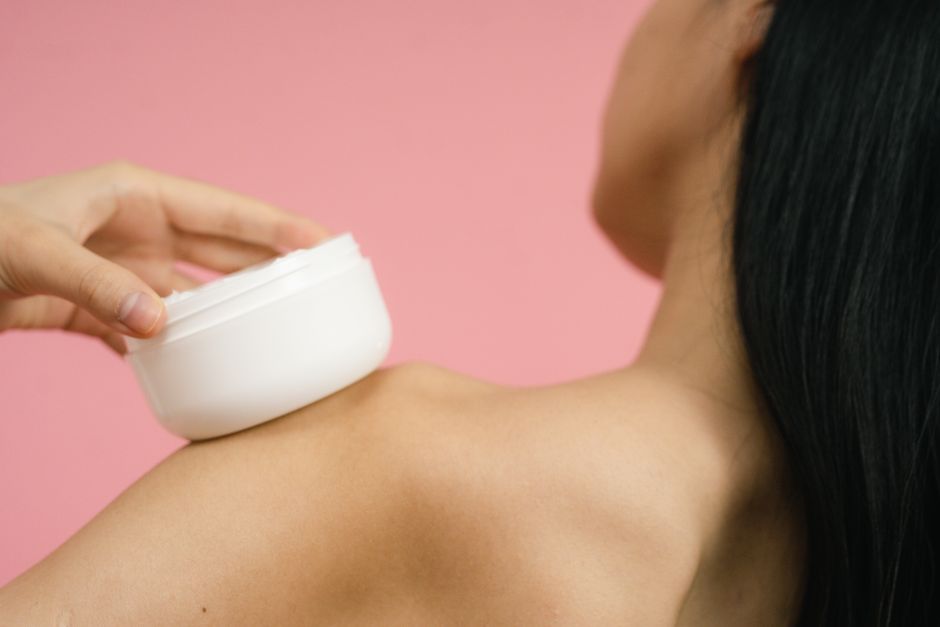
Vaseline doesn’t absorb into your skin the way a lotion does. It sits on top as a seal, and that seal can last for hours — often six to eight hours or more depending on where you put it and what you’re doing. You reapply when the surface feels dry again, when it’s been rubbed or washed off, or when the skin underneath starts to feel tight or exposed.
That simple fact explains almost everything about how people should use it. Petroleum jelly is not a moisturizer in the traditional sense. It doesn’t add water to your skin. It keeps water from leaving. Understanding that distinction is the key to using it well — and to knowing when reapplying actually helps versus when you’re just layering product on top of product.
How Long Vaseline Lasts On Skin And When To Reapply?
Petroleum jelly is one of the most occlusive ingredients available for skin. Occlusive means it forms a physical barrier that slows water loss from the surface of your skin.
Research published in the journal Dermatitis and other dermatology literature has consistently found that petroleum jelly reduces transepidermal water loss — the water that evaporates through your skin — by a very large margin, more than most other topical products tested. That’s why a thin layer can keep working for hours. The barrier doesn’t evaporate away quickly the way a watery lotion does.
For most people, a single application lasts somewhere in the range of several hours to overnight. There’s no fixed clock, because the variables matter:
- Location. Lips and hands lose the barrier faster because of talking, eating, and washing. Heels and elbows hold it longer.
- Activity. Friction, sweat, and repeated handwashing strip it away.
- Skin condition. Cracked or broken skin absorbs and loses the layer differently than intact skin.
- Amount applied. A thick smear lasts longer than a barely-there film.
Reapply when the area feels dry, tight, or rough again. For lips, that might mean several times a day. For a cracked heel under a sock, once or twice a day may be enough. There’s no harm in reapplying more often, but there’s also no benefit to slathering it on skin that already has an intact layer.
Why Vaseline Doesn’t Absorb Like Lotion
Lotions and creams are mostly water mixed with oils and other ingredients. When you rub them in, the water portion evaporates and the oils partly sink into the outer layer of skin. That’s why they feel like they “disappear.”
Petroleum jelly is different. It’s a semi-solid mixture of hydrocarbons that stays on the surface. It doesn’t penetrate deeply into the skin and it doesn’t need to. Its job is to sit there and block water from escaping. This is why dermatologists have used it for decades as a wound dressing and barrier — it keeps the wound bed moist without adding anything biologically active.
One practical consequence: because it doesn’t absorb, it can feel greasy and can transfer to clothing or bedding. A little goes a long way. A pea-sized amount covers a large area.
Does Vaseline Actually Moisturize Dry Skin?
It moisturizes by trapping water that’s already in your skin, not by adding water. If your skin is already dehydrated, sealing it with petroleum jelly won’t fix that on its own.
The most effective way to use it on very dry skin is to apply it right after a bath or shower, while the skin is still slightly damp. That traps the water from washing into the skin. Applying it to bone-dry skin seals in less.
This is a commonly misunderstood point. People sometimes apply petroleum jelly to dry, flaky skin and feel disappointed when it doesn’t soften things up. The issue isn’t the product — it’s the timing. Damp skin plus an occlusive layer is the combination that works.
For mild dryness, an ordinary moisturizer with humectants like glycerin may be more comfortable. For severe dryness, cracking, or skin that’s actively losing moisture, an occlusive layer on top of damp skin is the more effective approach. Some clinicians recommend layering a moisturizer first, then petroleum jelly on top — the moisturizer adds water-binding ingredients, and the jelly seals them in.




When To Reapply During The Day vs. Overnight
Overnight is when petroleum jelly does its best work. You’re not washing your hands, not eating, not rubbing your lips together. A layer applied before bed can stay in place for the full night on most areas.
During the day, reapplication needs are higher:
- Lips: after eating, drinking, or licking them. Licking is the biggest culprit — saliva evaporates and makes dryness worse.
- Hands: after every handwash if you have cracked or irritated skin.
- Feet: once in the morning, once at night, usually enough under socks.
- Face: rarely needed during the day unless a clinician has recommended it for a specific reason.
If you’re using it on a healing wound or a skin condition, follow whatever instructions you were given. Reapplication schedules for medical use are different from general cosmetic use.
Does Vaseline Clog Pores Or Cause Breakouts?
Petroleum jelly is considered non-comedogenic in most dermatology references, meaning it’s unlikely to clog pores. That surprises people who assume anything greasy must cause acne.
The reason is molecular size. The hydrocarbon molecules in petroleum jelly are too large to enter the pore opening, so they sit on top rather than blocking from inside. That’s part of why it’s so well tolerated.
That said, not everyone tolerates it on the face. Some people find it too heavy, and if you’re prone to acne or have oily skin, a thick occlusive layer can feel uncomfortable and may trap sweat and debris. It’s not that it causes acne directly — it’s that it can create an environment some people don’t like.
If you’re acne-prone and want to try it, patch test on a small area first. Some dermatologists recommend it for specific situations like healing after a procedure, even in acne-prone patients. Others prefer lighter occlusives. There’s no universal answer.
Common Mistakes When Using Vaseline
Most problems people have with petroleum jelly come from how they use it, not the product itself.
- Applying to dry skin and expecting softening. Apply to damp skin for the best effect.
- Using too much. A thick layer doesn’t work better than a thin one and feels worse.
- Using it as a primary moisturizer. It’s a seal, not a hydrator. Pair it with something that adds water if your skin is truly dry.
- Applying over dirty or infected skin. Sealing in bacteria or debris is not helpful. Clean the area first.
- Assuming it treats the underlying cause. For eczema, psoriasis, or other conditions, petroleum jelly manages symptoms but doesn’t address the disease process.
One more thing worth knowing: petroleum jelly is generally well tolerated, and allergic reactions to it are rare. If you develop redness, itching, or irritation after using it, stop and talk to a clinician. Reactions are uncommon but not impossible.
Is There A Right Time To Stop Reapplying?
You don’t need to keep reapplying once the skin underneath is comfortable and no longer feels dry or tight. The goal is a maintained barrier, not constant application.
If you find yourself needing to reapply every hour to keep skin comfortable, that’s a signal worth paying attention to. It could mean the underlying skin issue is more significant than simple dryness — eczema, contact dermatitis, or another condition. In that case, see a clinician rather than relying on petroleum jelly alone.
Frequently Asked Questions
How often should I reapply Vaseline?
Reapply when the skin feels dry or tight again, or after washing or friction removes the layer. For most people that means a few times a day on hands and lips, and once or twice on other areas.
Does Vaseline last all night?
Yes, on most areas a layer applied before bed lasts through the night because there’s no washing or friction to remove it. Lips and hands may need a touch-up if you wake up during the night.
Can I put Vaseline on my face overnight?
Some people do, and it’s generally well tolerated, but it can feel heavy and may not suit oily or acne-prone skin. Patch test first if you’re unsure.
Does Vaseline absorb into the skin?
No, it stays on the surface as an occlusive barrier rather than absorbing. That’s exactly how it works — it traps water in your skin instead of adding water to it.
