
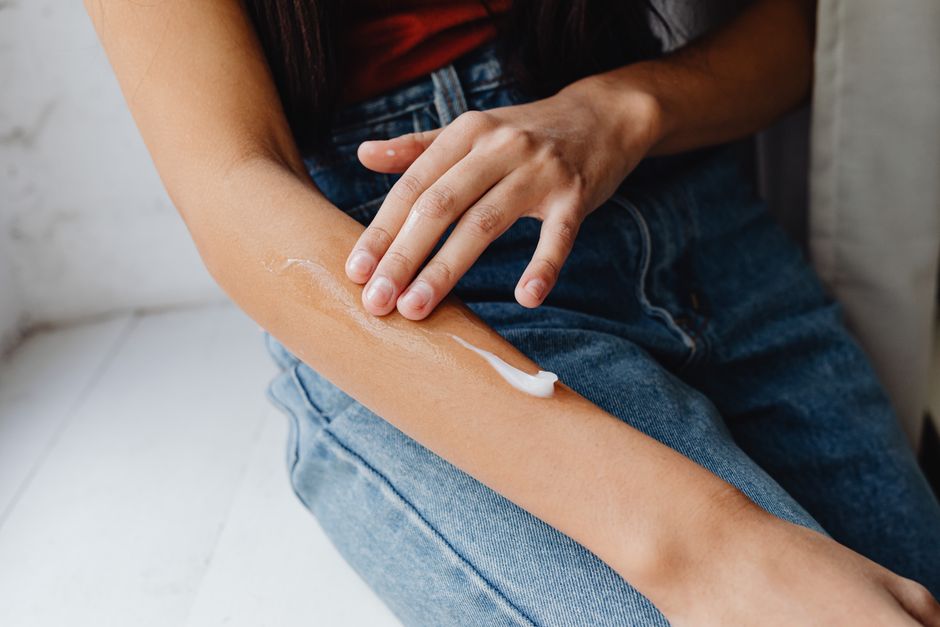
Vaseline, the familiar blue-jar petroleum jelly that has sat in medicine cabinets for over 150 years, is one of the most studied and safest moisturizers available. The short answer is no — Vaseline is not bad for your skin for most people. It is a highly effective occlusive agent that prevents water loss, helping dry skin heal. However, it is not perfect for every skin type or every situation, and understanding the difference between its benefits and its limitations is key to using it correctly.
What Exactly Is Vaseline Made Of?
Vaseline is a brand name for petroleum jelly, a semi-solid mixture of hydrocarbons derived from crude oil. After extraction, the substance goes through a rigorous purification process to remove potentially harmful impurities. The final product that reaches store shelves is recognized as safe by regulatory agencies and has been used in dermatology for generations.
Chemically, petroleum jelly is an occlusive agent. This means it works by creating a physical barrier on the surface of the skin. That barrier traps moisture already present in the skin and prevents it from evaporating into the air. It does not add water to the skin; it locks in what is already there.
Because it is a mixture of hydrocarbons, it is not absorbed into the skin in the way that oils or lotions might be. It sits on top of the skin’s surface, which is exactly what makes it so effective at preventing transepidermal water loss. This is the process by which water escapes from the deeper layers of the skin to the surface and evaporates.
Is Vaseline Bad For Your Skin If You Have Acne?
For people with acne-prone skin, the concern about Vaseline is valid but often overstated. Petroleum jelly is non-comedogenic, meaning it does not clog pores by itself. The molecular structure of petroleum jelly is too large to fit into the opening of a pore. This is a well-established fact in dermatology.
However, the occlusive barrier it creates can trap dead skin cells, sweat, and excess sebum against the skin. If you apply Vaseline over skin that is not properly cleansed, you may be sealing in the very substances that contribute to breakouts. The issue is not the Vaseline itself but what is trapped underneath it.
If you have active acne and want to use an occlusive, the safest approach is to apply it over a thin layer of a non-comedogenic moisturizer on clean, dry skin. Some dermatologists recommend this method to help repair the skin barrier without directly layering petroleum jelly onto active lesions. The evidence for this approach is based on clinical experience rather than large controlled trials, so results can vary.
Can Vaseline Cause Dry Skin or Make It Worse?
It seems counterintuitive that a moisturizer could cause dryness, but it can happen in specific circumstances. If you apply Vaseline to skin that is already dehydrated and has not been moisturized first, you create a barrier that prevents any external moisture from reaching the skin. The skin underneath may remain dry because it is not receiving water from the environment or from a humectant ingredient.
This is why dermatologists often recommend applying Vaseline over a water-based moisturizer rather than using it alone. A humectant like glycerin or hyaluronic acid draws water into the skin, and the Vaseline seals it in. Using petroleum jelly alone on very dry skin can sometimes make the skin feel tight and remain flaky because the underlying dehydration is never addressed.
Another rare issue is a condition called perioral dermatitis, which some people develop around the mouth after heavy use of occlusive products. This is not a common reaction, and the evidence linking petroleum jelly specifically to this condition is limited. Most cases of perioral dermatitis are linked to topical steroids, but any heavy occlusive can potentially contribute in susceptible individuals.




Is Vaseline Safe for Sensitive Skin and Allergies?
Vaseline is one of the least allergenic skincare products available. It contains no fragrances, no preservatives, no dyes, and no botanical extracts. For people with sensitive skin or a history of contact dermatitis, it is often one of the few products that does not cause a reaction.
True allergic reactions to petroleum jelly are extremely rare. When they do occur, they are usually traced back to impurities in lower-grade petroleum products, not the purified medical-grade version. The purified white petroleum jelly used in Vaseline is processed to remove these contaminants.
That said, everyone’s skin is different. If you have never used petroleum jelly before, it is wise to test it on a small patch of skin first. Apply a small amount to the inside of your forearm and wait 24 hours to see if any redness, itching, or irritation develops. This is a practical precaution, not an indication that problems are likely.
How Should You Use Vaseline for Best Results?
The most effective way to use Vaseline depends on your skin concern. For dry, cracked hands or feet, the best method is to apply a water-based moisturizer first and then seal it with a thin layer of petroleum jelly. For overnight treatment, applying a generous layer to your feet and covering them with cotton socks can significantly soften rough skin.
For facial skin, less is more. A very thin layer over your regular moisturizer at night can help lock in hydration without feeling heavy or greasy. Some people use it as an eye cream alternative, applying a tiny amount around the eyes to prevent moisture loss overnight. This is generally safe as long as you avoid getting it into your eyes themselves.
For minor cuts, scrapes, or chapped lips, Vaseline can be applied directly. It creates a protective barrier that keeps bacteria out and retains natural moisture, which supports the skin’s own healing process. For chapped lips, it is one of the most effective and safest options because it contains no irritating ingredients.
A common mistake is applying too much. A thick, heavy layer is rarely necessary and can feel uncomfortable. A small amount goes a long way because the product spreads easily and does not absorb into the skin. It remains on the surface, so a pea-sized amount is often sufficient for the entire face.
Are There Better Alternatives to Vaseline?
Vaseline is not the only occlusive on the market, and some alternatives offer additional benefits. Shea butter, cocoa butter, and various plant-based waxes also create a barrier on the skin, but they contain additional fatty acids and vitamins that may provide extra nourishment. The evidence for these added benefits is mixed, and for pure occlusive function, petroleum jelly remains the gold standard.
For people who prefer not to use petroleum-based products, plant-based alternatives like jojoba oil, squalane, or shea butter are reasonable choices. These are technically emollients and occlusives, meaning they soften the skin and create some barrier effect. However, they are generally less effective at preventing water loss than petroleum jelly, which creates the most impermeable barrier of any commonly available ingredient.
Some people worry about the environmental impact of petroleum-derived products. This is a legitimate concern for those who prioritize sustainability. Plant-based alternatives are renewable, but they tend to be more expensive and less effective at extreme moisture retention. The choice ultimately depends on your priorities and how your skin responds to different products.
Frequently Asked Questions
Can Vaseline clog your pores?
No, petroleum jelly molecules are too large to fit into pores. However, it can trap dirt and sebum against the skin if applied over unclean skin, which may indirectly contribute to breakouts.
Is Vaseline good for your face at night?
Yes, for most people a thin layer over a regular moisturizer helps lock in hydration. Avoid it if you have active, inflamed acne and always apply to clean skin.
Does Vaseline expire or go bad?
Petroleum jelly does not support bacterial growth and has no expiration date under normal storage conditions. It can melt at high temperatures but remains safe to use once it returns to solid form.
Can you use Vaseline on eczema?
Yes, it is a standard recommendation for eczema because it prevents water loss and protects irritated skin. Apply it immediately after bathing to seal in moisture.
