
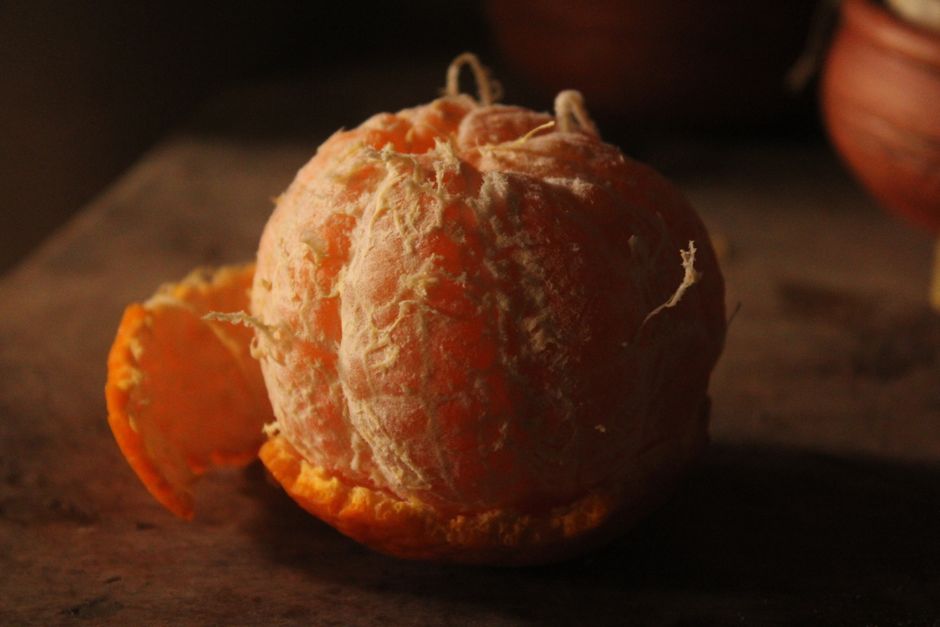
Peeling skin is frustrating, and it is natural to want to know exactly when your skin will look and feel normal again. For a minor peel caused by sunburn or friction, the outer layer of skin typically repairs itself in about 3 to 7 days. However, the deeper layers of skin that provide strength and structure can take several weeks to fully regenerate, meaning the new skin may look pink and feel tender for a while longer.
What Actually Happens When Skin Peels?
Skin peeling is not a sign that your skin is falling apart. It is a repair process. Your skin has multiple layers, and the outermost one, called the epidermis, is constantly shedding dead cells. When you get a sunburn or a friction burn, the skin cells in that outer layer are damaged or killed. The body responds by pushing those damaged cells to the surface so they can be shed and replaced with new, healthy cells from below.
This process is controlled and orderly. The new cells are produced in the basal layer of the epidermis and migrate upward over several days. By the time they reach the surface, they are flat, tough, and full of keratin. This is the protein that gives skin its protective quality. When you see a visible peel, you are seeing the final stage of that migration.
The redness you see after the peel is gone is something different. That is the skin’s deeper layer, the dermis, reacting to inflammation. The dermis contains blood vessels, collagen, and elastin. It takes much longer to rebuild than the surface layer, which is why the skin can stay pink and sensitive for weeks after the visible peeling stops.
How Long Does Peeled Skin Take To Grow Back?
For a typical superficial peel, visible peeling starts about 3 days after the injury and lasts for another 3 to 5 days. Once the loose skin is gone, the new surface layer is usually intact but still immature. Full normalization of the skin barrier—meaning it looks, feels, and functions like normal skin—takes roughly 2 to 3 weeks.
This timeline assumes the peel is mild and you are otherwise healthy. Age, nutrition, and overall skin health all influence how quickly your skin regenerates. Younger people tend to heal faster because cell turnover slows with age. Chronic conditions like diabetes can also slow wound healing and skin repair.
If the peel is severe, such as a blistering sunburn, the timeline extends. Blisters mean the injury reached deeper into the skin layers. In that case, the surface may take 2 weeks to close, and the deeper structural repair can take a month or more. You should also know that a deep peel carries a higher risk of infection and scarring.
What Speeds Up Skin Healing?
Your body does most of the work, but you can support it. Keeping the area clean and moisturized is the single most important thing you can do. A simple, fragrance-free moisturizer helps maintain the skin barrier and reduces the feeling of tightness. Petroleum jelly is a good option because it seals in moisture and protects the new skin.
Nutrition matters too. Skin repair requires protein, vitamin C, and zinc. Protein provides the building blocks for new cells. Vitamin C is needed for collagen production, which gives skin its structure. Zinc supports cell division and immune function. Eating a balanced diet with lean meats, fruits, vegetables, and whole grains gives your body what it needs to rebuild.
Hydration is often overlooked. Your skin is about 30% water, and dehydration can slow cell turnover. Drinking enough water is not a magic cure, but it supports the overall environment your skin needs to heal. Avoid alcohol while your skin is repairing, as it can dehydrate you and worsen inflammation.




What Makes Peeling Skin Worse?
Picking at peeling skin is the biggest mistake people make. It is tempting to pull off a loose flap of skin, but doing so can tear healthy tissue underneath. This opens the door to infection and can turn a minor peel into a deeper wound that takes much longer to heal. Let the dead skin fall off on its own.
Sun exposure during the healing phase is also harmful. The new skin is thin and has less melanin, making it more vulnerable to UV damage. Use a broad-spectrum sunscreen with SPF 30 or higher on the healing area, even if the sun does not feel strong. Better yet, cover the area with clothing until it has fully healed.
Hot water is another culprit. Hot showers and baths strip the skin of its natural oils and can prolong the peeling process. Use lukewarm water and keep your shower short. Pat your skin dry with a towel instead of rubbing it.
When Should You See a Doctor?
Most peeling skin resolves on its own without medical attention. However, there are signs that indicate a problem. If the peeling area becomes increasingly red, swollen, warm to the touch, or starts oozing fluid, you may have an infection. Fever, chills, or spreading redness are also warning signs that require medical evaluation.
Severe sunburn with large blisters covering a significant area of your body is another reason to seek care. This is a form of second-degree burn that can cause dehydration and electrolyte imbalances. If you feel dizzy, confused, or extremely thirsty, go to urgent care or the emergency room.
If you have diabetes or a weakened immune system, be more cautious. Skin injuries that would be minor for a healthy person can become serious quickly in these populations. It is reasonable to check with your doctor if a peel has not improved after a week.
How Is Peeling Skin Different From Other Skin Injuries?
Peeling is a superficial injury, but it is easy to confuse with other skin conditions. A chemical peel performed by a dermatologist causes intentional peeling, but the timeline is different. Depending on the depth of the chemical peel, the skin may peel for 3 to 7 days, and the new skin may take up to 2 weeks to settle. The recovery is similar to sunburn peeling but is controlled and monitored.
Eczema and psoriasis can also cause flaking skin, but these are chronic inflammatory conditions, not injuries. They do not follow the same healing timeline because the underlying inflammation persists. If your skin peels without a clear cause like sunburn or friction, it is worth discussing with a dermatologist.
Allergic reactions to skincare products can cause peeling too. This is contact dermatitis, and the peeling will not resolve until you stop using the offending product. The healing timeline starts after the irritant is removed, not when the peeling begins.
Does It Hurt When Skin Grows Back?
The new skin itself does not have pain receptors that cause discomfort. The tenderness you feel comes from the underlying dermis, which is still inflamed and sensitive. This is normal. The new skin may also feel tight, especially in areas that move a lot, like your hands or face.
Itching is common during the healing phase. This is a sign that the skin is regenerating, but it can be intense. Resist the urge to scratch. Scratching can damage the new skin and introduce bacteria. A cool compress or an oatmeal bath can help soothe the itch without harming the healing tissue.
If the pain worsens rather than improves over several days, that is not normal. Increasing pain can indicate an infection or that the initial injury was deeper than you thought. Do not dismiss persistent pain as part of the healing process.
Can You Prevent Peeling Skin?
Prevention is straightforward for the most common causes. Sunburn peeling is preventable with consistent sunscreen use. Apply a broad-spectrum sunscreen with SPF 30 or higher every day, and reapply every 2 hours when outdoors. Wear protective clothing and seek shade during peak sun hours between 10 a.m. and 4 p.m.
Friction peeling, like from ill-fitting shoes or repeated rubbing, is preventable with proper gear. Wear shoes that fit well and use moisture-wicking socks. If you are starting a new exercise routine, build up gradually to allow your skin to adapt. Blisters and the peeling that follows are often a sign you did too much too soon.
For skincare-induced peeling, patch test new products before applying them to your face or body. Apply a small amount to your inner forearm and wait 24 to 48 hours. If there is no reaction, it is generally safe to use. This simple step can save you from a week of peeling and discomfort.
Frequently Asked Questions
How long does sunburn peeling take to heal?
Visible peeling typically lasts 3 to 5 days after it starts, but the skin underneath may stay pink and sensitive for 2 to 3 weeks. Full barrier recovery takes about a month for deeper burns.
Is it bad to peel off loose skin?
Yes, picking or pulling at loose skin can tear healthy tissue and increase the risk of infection. Let the dead skin shed naturally.
What helps peeling skin heal faster?
Keep the area clean and moisturized with a fragrance-free product, stay hydrated, and avoid sun exposure. Eating adequate protein and vitamin C also supports skin repair.
When should I worry about peeling skin?
See a doctor if the area becomes increasingly red, swollen, warm, or starts oozing fluid. Fever, chills, or large blisters also require medical attention.
