
Methylsulfonylmethane, usually called MSM, is a sulfur-containing compound sold as a joint and inflammation supplement. The short answer to whether it raises blood pressure is that the available evidence does not show this. In fact, some small human studies have reported modest reductions in blood pressure with MSM supplementation, though the research is limited and not definitive.
That is a different claim from saying MSM is proven to lower blood pressure. It is not. The honest position is that MSM has not been shown to raise blood pressure in the studies that exist, and a small amount of early research points in the opposite direction. Anyone taking blood pressure medication should still talk to their doctor before adding MSM.
What Is MSM and How Does the Body Use It?
MSM is an organic sulfur compound. It occurs naturally in small amounts in some foods, including cow’s milk, coffee, tea, and certain fruits and vegetables. It is also sold as a concentrated supplement, typically in capsule or powder form.
Sulfur is an essential element in human biology. It is a structural component of the amino acids methionine and cysteine, and it appears in connective tissue, hair, skin, and nails. The body does not need dietary MSM specifically to get sulfur. Protein-rich foods supply plenty of sulfur-containing amino acids.
When MSM is swallowed, it is absorbed in the small intestine and distributed through the body. A portion is excreted in urine. The exact way it might affect blood vessels is not fully understood. Researchers have proposed that sulfur compounds may influence nitric oxide signaling, a pathway that helps relax blood vessels. That mechanism is plausible based on laboratory work. It has not been confirmed as the reason for any blood pressure change in humans.
This distinction matters. A logical mechanism is not the same as a demonstrated clinical effect. Many compounds relax blood vessels in a lab dish and do nothing measurable in a living person at typical supplement doses.
Does MSM Raise Blood Pressure What the Evidence Shows
No controlled human study has reported that MSM raises blood pressure. The research on MSM and blood pressure is small and mostly secondary to studies on joint pain or exercise recovery.
In a small randomized trial of adults with knee osteoarthritis, researchers measured blood pressure alongside joint symptoms. Participants taking MSM showed a modest decrease in blood pressure compared with the control group. The study was short and included a limited number of people, so it cannot support a general recommendation.
Other human studies of MSM have not been designed to measure blood pressure as a primary outcome. When blood pressure is not the main focus, any readings are less reliable and more prone to chance findings.
The evidence base overall is thin. There is no large, long-term trial testing MSM specifically for blood pressure effects. That means the most accurate statement is: current evidence does not show MSM raises blood pressure, and a few small studies hint it may lower it slightly, but this is not established.
Why Some People Might Worry About MSM and Blood Pressure
The concern likely comes from a few sources, none of which hold up well under scrutiny.
First, MSM is a sulfur compound, and sulfur drugs like certain antibiotics and sulfa medications can cause allergic reactions in some people. That is a different chemical category entirely. Elemental sulfur in a supplement is not the same as a sulfa antibiotic. Confusing the two has led to unnecessary worry.
Second, some people taking MSM report headaches, fatigue, or digestive upset when they start. These side effects are not blood pressure changes, but a person who feels unwell might assume something is wrong with their blood pressure.
Third, supplements in general are poorly regulated in the United States. A product labeled MSM may contain other ingredients, fillers, or stimulants that could affect blood pressure. If a person takes an MSM product and sees a blood pressure rise, the cause may be an unlisted ingredient rather than MSM itself.
This last point is worth emphasizing. The FDA regulates dietary supplements as food, not as drugs. Manufacturers are responsible for safety and labeling, but the agency does not review products for content or effectiveness before they are sold.





What Human Studies Have Actually Measured
Most MSM research has focused on joint pain, exercise recovery, and inflammation markers. Blood pressure has usually been a secondary or safety measure, not the main question.
What the studies generally show:
- MSM is usually well tolerated at commonly studied doses, with gastrointestinal upset being the most frequent complaint.
- No study has reported a consistent, clinically meaningful rise in blood pressure.
- A few small studies noted small decreases in blood pressure, but these were not the primary endpoints and could reflect chance or other factors.
- Long-term data beyond a few months are limited.
One limitation runs through nearly all of this research. The studies are small, often include fewer than 100 participants, and rarely last longer than 12 weeks. Small short studies can suggest a trend that disappears when tested in a larger, longer trial.
A second limitation is that many participants were also taking other supplements or medications. That makes it hard to isolate what MSM alone did.
How MSM Might Affect Blood Vessels
The proposed mechanism involves sulfur and nitric oxide. Nitric oxide is a signaling molecule that tells blood vessel walls to relax, which widens the vessels and can lower pressure. Sulfur-containing compounds can influence this pathway in laboratory experiments.
Whether oral MSM at typical supplement doses meaningfully affects nitric oxide in humans is not established. The dose that produces an effect in a lab dish is often far higher than what reaches the bloodstream after swallowing a capsule.
MSM also has mild anti-inflammatory activity in some studies. Chronic inflammation is linked to blood vessel stiffness and higher blood pressure over time. If MSM reduced inflammation in a meaningful way, that could theoretically support healthier blood vessels. But this is a chain of reasoning, not a proven outcome.
There is one more angle worth knowing. Sulfur compounds can act as mild vasodilators in some contexts, meaning they relax blood vessels. If that happened with MSM, the direction would be toward lower pressure, not higher. This is consistent with the small human findings, but it remains a hypothesis.
Who Should Be Cautious With MSM
MSM is generally considered well tolerated in the short term by healthy adults in the studies conducted so far. That does not mean it is right for everyone.
People in these groups should talk to a doctor before using MSM:
- Anyone taking blood pressure medication, because any supplement that affects blood vessels could interact with those drugs.
- People taking blood thinners, since sulfur compounds may have mild effects on clotting in some laboratory studies.
- Pregnant or breastfeeding women. No clinical guidelines currently exist for MSM use in these populations, and safety data are lacking.
- Children. There is no established dosing or safety guidance for MSM in children.
- Anyone with kidney disease, since the kidneys handle sulfur excretion.
This is not a list of proven dangers. It is a list of situations where the absence of data calls for caution rather than confidence.
What to Do If You Take MSM and Monitor Blood Pressure
If you already take MSM or are considering it, the practical approach is straightforward.
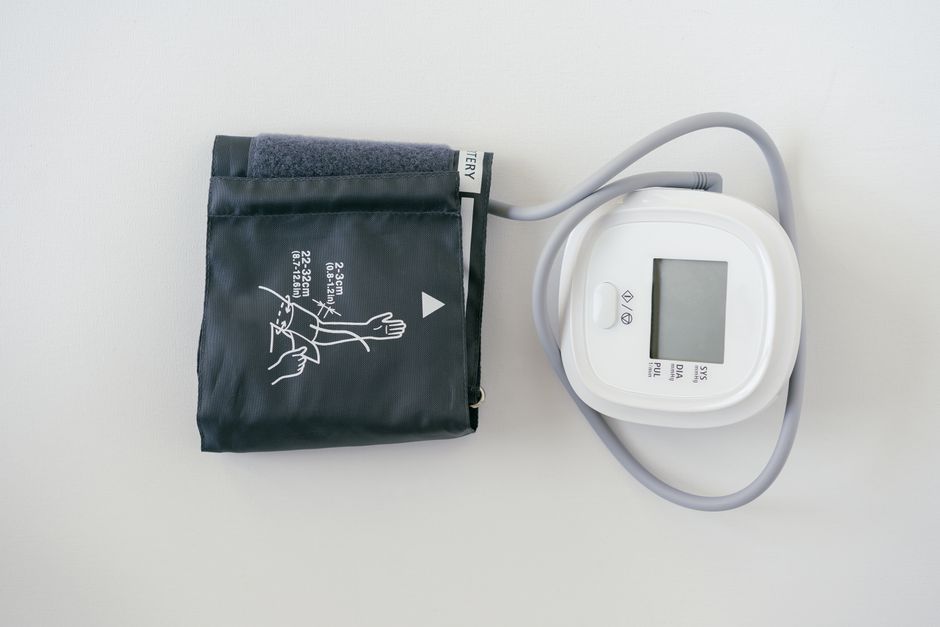
Check your blood pressure the same way you normally would. If you monitor at home, keep the conditions consistent, such as the same time of day and the same arm. A single reading tells you little. A pattern over weeks tells you more.
If you notice a sustained rise in your readings after starting MSM, stop the supplement and talk to your doctor. Do not assume MSM is the cause, but do not ignore the change either.
Be aware that many things move blood pressure more than any supplement. Sodium intake, alcohol, caffeine, stress, sleep, weight, and physical activity all have well-documented effects. A supplement is rarely the main driver.
If your goal is to lower blood pressure, the interventions with the strongest evidence are not supplements. They include reducing sodium, increasing potassium from food, regular aerobic activity, limiting alcohol, and losing excess weight. These are supported by decades of research and by major clinical guidelines.
The Bottom Line on MSM and Blood Pressure
The evidence does not show that MSM raises blood pressure. Some small human studies suggest it may lower it slightly, but the research is too limited to call that a benefit.
What we can say with confidence is that MSM is not a proven blood pressure treatment, and it is not a proven cause of high blood pressure. The studies are small, short, and often focused on other outcomes.
If you have high blood pressure, work with your doctor on strategies that have strong evidence behind them. If you want to try MSM for joint health, that is a separate conversation, and it is worth having with a clinician who knows your full medication list.
Frequently Asked Questions
Does MSM raise blood pressure?
No controlled human study has shown that MSM raises blood pressure. Some small studies have reported slight decreases, but this finding is not established.
Can I take MSM if I have high blood pressure?
Talk to your doctor first, especially if you take blood pressure medication. Any supplement that may affect blood vessels could interact with those drugs.
What are the side effects of MSM?
The most commonly reported side effects are gastrointestinal upset, headache, and fatigue. These are usually mild, but long-term safety data are limited.
Is MSM safe for pregnant or breastfeeding women?
No clinical guidelines currently exist for MSM use during pregnancy or breastfeeding, and safety data are lacking. Avoid it unless a doctor specifically advises otherwise.
