

You sit down at the pharmacy blood pressure machine and get 138/86. A few minutes later, at your doctor’s office, it reads 122/78. That evening at home, your cuff says 145/92. Three readings, three very different numbers, and no clear answer about which one is real. Here is the short version: blood pressure is not a fixed number. It changes from minute to minute based on movement, stress, talking, caffeine, bladder fullness, and even the position of your arm. Getting three different readings is normal. What matters is not any single number, but the pattern over time — and whether the measurement technique was consistent.
Why Does Blood Pressure Change From Minute to Minute?
Blood pressure is a live measurement, not a stored value. Your heart beats roughly 60 to 100 times per minute at rest, and each beat pushes a wave of blood through your arteries. The pressure in those arteries rises and falls with every beat, every breath, and every shift in your nervous system.
Your body constantly adjusts blood pressure to match what you are doing. Stand up and your vessels tighten slightly to keep blood flowing to your brain. Sit quietly for five minutes and your pressure drifts down. Get startled or frustrated and it climbs. This is normal physiology, not a sign that something is wrong.
The autonomic nervous system runs most of this behind the scenes. It responds to posture, temperature, pain, emotional state, and physical activity — often within seconds. That is why two readings taken two minutes apart can differ by 10 points or more without anything being wrong with you or the machine.
Why Do I Get 3 Different Blood Pressure Readings at Home?
Home readings vary for the same reasons office readings do, plus a few that are specific to home monitoring. The most common culprits are technique and timing.
- Arm position. If your arm is below heart level, readings run higher. If it is above, they run lower. The cuff needs to sit at roughly the level of your heart.
- Cuff size. A cuff that is too small can inflate readings. One that is too large can deflate them. Most home cuffs come in one size and fit most but not all adults.
- Body position. Feet flat on the floor, back supported, arm resting on a table. Legs crossed or unsupported feet can push readings up.
- Talking. Even casual conversation during a reading can raise the number.
- Bladder fullness. A full bladder can affect readings.
- Time of day. Blood pressure typically follows a daily rhythm — often lower in the evening and rising in the early morning hours.
- Caffeine, nicotine, and exercise. Each can raise blood pressure temporarily, sometimes for 30 minutes or longer.
If you take three readings in a row without changing anything, the first is often the highest. The cuff itself squeezes the arm, which can briefly trigger a small stress response. Many clinicians suggest taking two or three readings a minute apart and averaging the last two. That average is usually more reliable than any single number.
Why Is My Blood Pressure Higher at the Doctor’s Office?
Some people consistently read higher in a clinical setting than at home. This pattern has a name: white coat hypertension. The rise is real — it is not the machine malfunctioning or the nurse making a mistake. The setting itself triggers a stress response in some people.
The opposite pattern also exists. Masked hypertension is when readings look normal in the office but are consistently elevated at home. It is less well known and often missed, because the office reading looks reassuring.
Neither pattern can be diagnosed from a single visit. If your numbers swing a lot between settings, the useful step is to collect several home readings over days or weeks and bring that log to your clinician. A pattern across many readings carries far more information than any one measurement.

Does the Machine or the Cuff Make a Difference?
Yes, but usually less than technique does. A validated home monitor used correctly will generally track closely with a properly taken office reading. Problems tend to come from three sources.
First, unvalidated devices. Not every cuff sold online has been tested against a standard reference. Some are accurate. Some are not. If you are unsure about yours, bring it to a medical visit and ask to compare it against the office device.
Second, wrist and finger monitors. These are more sensitive to arm position than upper-arm cuffs. If the wrist is not held exactly at heart level, readings can be off by a meaningful margin. Upper-arm cuffs are generally preferred for home use.
Third, cuff fit. A cuff that is too small for your arm will tend to read high. If the cuff feels tight before inflation or the Velcro barely closes, it may be the wrong size.
What Is the Correct Way to Take a Blood Pressure Reading?
Consistency matters more than perfection. The goal is to take readings the same way each time so that changes in the numbers reflect changes in your blood pressure, not changes in your technique.
Standard technique, based on widely used clinical guidance:
- Sit quietly for five minutes before the first reading.
- Keep your back supported and feet flat on the floor. Do not cross your legs.
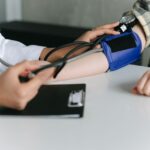
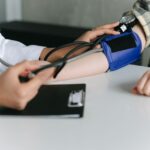
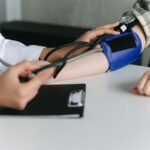
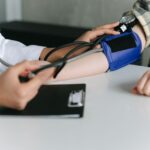
- Rest your bare upper arm on a table so the cuff sits at heart level.
- Do not talk during the reading.
- Avoid caffeine, exercise, and nicotine for at least 30 minutes beforehand.
- Empty your bladder first.
- Take two or three readings about one minute apart and record them all.
Record the numbers along with the date and time. A log of 10 to 14 readings taken over a week or two gives your clinician a much clearer picture than a single visit. Some clinicians ask for morning and evening readings specifically, since the pattern across the day can matter.
Which Reading Should I Trust?
None of them individually. The trustworthy number is the average of many correctly taken readings over time.
Single readings are noisy. They are affected by everything listed above. A pattern of readings is stable. If your home log shows a consistent average above the normal range, that is meaningful. If it shows a consistent average within the normal range, that is also meaningful — even if one reading was high.
For reference, normal blood pressure in adults is generally considered below 120/80 mmHg. Elevated is typically 120–129 systolic with diastolic below 80. Stage 1 hypertension is generally 130–139 systolic or 80–89 diastolic. Stage 2 is generally 140 or higher systolic or 90 or higher diastolic. These are established thresholds used in clinical practice, but they are not a diagnosis on their own. Diagnosis depends on repeated measurements and clinical context.
One clarification worth knowing: a single high reading does not mean you have high blood pressure. It means that reading was high. Diagnosis requires a pattern.
When Should I Be Concerned About Fluctuating Readings?
Some variation is expected. Wide swings — or readings that stay high across many measurements — are worth discussing with a clinician.
Talk to a healthcare professional if:
- Your home readings average above the normal range across multiple days.
- Your readings swing widely between visits or between home and office.
- You have symptoms like persistent headaches, chest pain, shortness of breath, vision changes, or dizziness alongside high readings.
- You are already on blood pressure medication and your readings are still high or have become unstable.
Very high readings — for example, systolic at or above 180 or diastolic at or above 120 — are considered a hypertensive crisis. If that happens with symptoms such as chest pain, shortness of breath, weakness, vision changes, or difficulty speaking, seek emergency care immediately. If it happens without symptoms, contact a clinician promptly for guidance.
Do not adjust medication doses on your own based on home readings. Bring the log to your clinician and let them interpret it.
What Usually Explains Three Different Numbers?
Most of the time, three different readings reflect three different conditions of measurement — not three different states of your body. The first reading often runs high because of the cuff squeeze and anticipation. The second settles. The third may drift based on how long you have been sitting or whether you moved.
Occasionally, real biological variation is at play. Blood pressure naturally fluctuates through the day and can shift with stress, sleep, hydration, and other factors. But when three readings taken minutes apart differ noticeably, technique and timing are the more likely explanation.
The practical takeaway is simple. Stop chasing the “true” number. Take readings the same way, at the same times, record them, and look at the average. That average is what your clinician needs.
Frequently Asked Questions
Is it normal to get three different blood pressure readings in a row?
Yes. Blood pressure changes with each heartbeat and responds to movement, talking, stress, and cuff pressure. Taking two or three readings a minute apart and averaging the last two is a common approach.
Why is my blood pressure higher at the doctor’s office than at home?
This pattern is called white coat hypertension, and the rise is real, not a machine error. It is usually confirmed by comparing several home readings with office readings over time.
Which blood pressure reading should I trust?
The average of many correctly taken readings over days or weeks is more reliable than any single measurement. A log of 10 to 14 readings gives your clinician a clearer picture than one visit.
Can a wrong cuff size change my blood pressure reading?
Yes. A cuff that is too small for your arm tends to read high, and one that is too large can read low. Upper-arm cuffs that fit properly are generally preferred over wrist or finger monitors for home use.
