
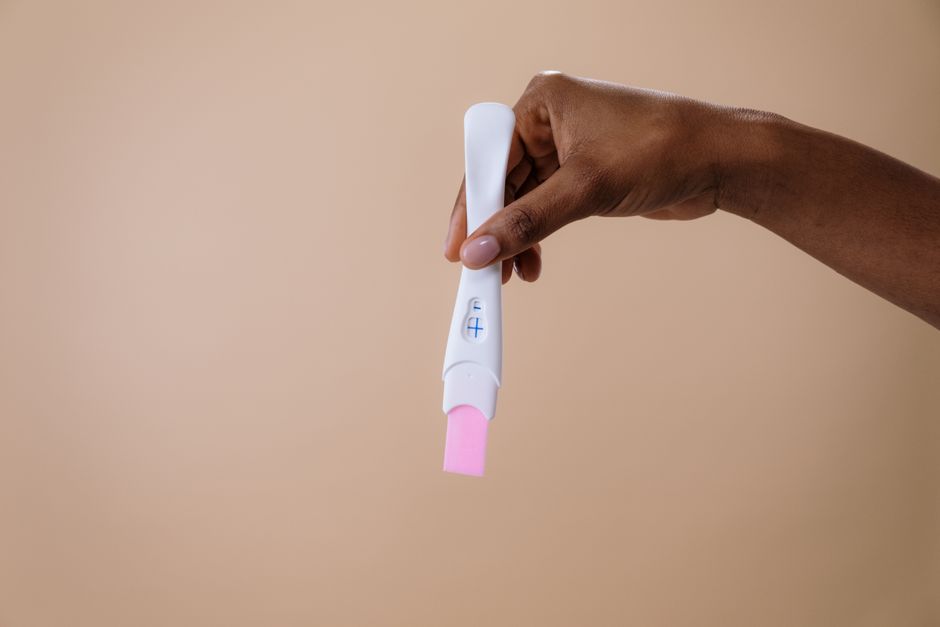
You can get a positive pregnancy test from a blood sample within about 6 to 8 days after ovulation, according to the American College of Obstetricians and Gynecologists. A urine test usually turns positive closer to the time of a missed period. The difference comes down to sensitivity: a blood test can pick up much lower levels of hCG, the hormone pregnancy produces, than a standard home urine test. How long it takes to detect pregnancy with blood vs urine tests depends less on the test brand and more on how early you test and how sensitive the method is.
How Long To Detect Pregnancy Blood Vs Urine Tests?
Blood tests can detect pregnancy earlier than urine tests. That is the core difference, and it holds true across nearly every testing scenario.
hCG starts rising right after a fertilized egg implants in the uterine lining. Implantation typically happens about 6 to 12 days after ovulation, though the range varies. Once implantation occurs, hCG enters the bloodstream first. It reaches urine a short time later as the kidneys filter it out.
A quantitative blood test — the kind that measures the exact amount of hCG — can pick up very small amounts of the hormone. This is why it can turn positive within roughly a week of ovulation in some cases. A urine test needs a higher concentration of hCG to register a positive result, so it generally takes longer.
There is a practical point many people miss. Even though a blood test is more sensitive, timing still matters. Testing too early after ovulation can produce a negative result on either test simply because implantation has not happened yet. No test can detect hCG before the body starts making it.
Why Blood Tests Detect Pregnancy Earlier Than Urine Tests
Blood tests are more sensitive because they measure hCG directly in the bloodstream, where the hormone appears first and at higher concentrations early on.
There are two types of pregnancy blood tests:
- Quantitative hCG test: Measures the exact level of hCG in your blood. It can detect very low concentrations and is often used to confirm and monitor early pregnancy.
- Qualitative hCG test: Gives a simple yes or no answer about whether hCG is present. It is less precise than the quantitative version but still more sensitive than most urine tests.
Urine tests — both home tests and lab urine tests — rely on a threshold. They only show positive once hCG in urine reaches a certain level. Many home tests are designed to detect hCG around the time of a missed period. Some are marketed as “early response” tests that claim to work a few days sooner, but their sensitivity varies.
Blood also carries a more concentrated and consistent signal. Urine can be diluted by how much fluid you drink, which is why home test instructions often suggest testing first thing in the morning when urine is most concentrated.
How Accurate Are Blood and Urine Pregnancy Tests?
Both blood and urine pregnancy tests are highly accurate when used correctly and at the right time. Accuracy depends heavily on timing rather than the test type alone.
Blood tests, particularly quantitative ones, are considered very reliable for detecting hCG. A quantitative test also tells your clinician the exact hCG level, which can help estimate how far along a pregnancy is and whether levels are rising as expected.
Home urine tests are also accurate — but mainly when taken after a missed period. Testing too early raises the chance of a false negative, meaning the test says negative even though you are pregnant. That is not a flaw in the test. It usually means hCG has not yet reached the level the test can detect.
False positives are uncommon with either test but can happen. Certain medical conditions and some fertility medications containing hCG can cause a positive result when you are not pregnant. If a result seems unexpected, a clinician can help interpret it.





When Should You Take a Pregnancy Test?
The most reliable time to take a home urine test is after a missed period. Waiting until then gives hCG enough time to reach detectable levels in urine for most people.
If you want to test earlier, a blood test ordered by a clinician is the more sensitive option. Some people choose this when they have a known exposure date, are undergoing fertility treatment, or have a medical reason to confirm pregnancy quickly.
A few practical points can improve accuracy:
- For urine tests, use the first urine of the morning when possible. It is the most concentrated.
- Follow the test instructions exactly, including how long to wait before reading the result.
- If a urine test is negative but you still suspect pregnancy, wait a few days and test again, or ask a clinician about a blood test.
There is no benefit to testing repeatedly within the same day. hCG rises over days, not hours, so a repeat test hours later will not give you new information.
What Do hCG Levels Tell You Over Time?
hCG levels rise quickly in early pregnancy, roughly doubling every couple of days in the earliest stages. This pattern is why timing matters so much for detection.
A single hCG number is less useful than the trend. Clinicians often repeat a quantitative blood test a couple of days apart to see whether levels are rising appropriately. A rising trend generally supports a progressing early pregnancy, while a level that does not rise as expected may prompt further evaluation.
It is important not to self-diagnose based on a single hCG number. Normal ranges are wide, and levels vary between individuals and between pregnancies. Interpretation belongs with a clinician who can look at the full picture, including ultrasound findings when relevant.
This is also why home urine tests cannot tell you how far along you are or whether levels are rising normally. They only answer one question: is hCG present above the test’s threshold?
What Are the Limits of Each Test?
Each test has real limits, and understanding them prevents unnecessary worry or false confidence.
Blood tests are more sensitive and can detect pregnancy earlier, but they require a clinic visit and a blood draw. Results usually take hours to a day or more, depending on the lab. They are not something you can do at home.
Urine tests are convenient, private, and inexpensive. Their main limitation is lower sensitivity, which makes early testing less reliable. A negative urine test taken too early does not rule out pregnancy.
Neither test can confirm that a pregnancy is progressing normally on its own. Detection is only the first step. Confirming the location and progress of a pregnancy requires clinical evaluation, often with ultrasound.
The Bottom Line on Blood vs Urine Testing
Blood tests detect pregnancy earlier because they measure hCG in the bloodstream at lower concentrations than urine tests can. A blood test can turn positive within about a week of ovulation in some cases, while a urine test is most reliable after a missed period.
If you suspect you are pregnant and want the earliest possible answer, a clinician-ordered blood test is the more sensitive choice. For most people, a home urine test taken after a missed period is accurate and practical. When in doubt, waiting a few extra days or confirming with a clinician gives you clearer information than testing too soon.
Frequently Asked Questions
Can a blood test detect pregnancy at 5 days past ovulation?
It is possible in some cases, but not guaranteed, because implantation may not have occurred yet. A blood test is the most sensitive option that early, though a negative result at 5 days does not rule out pregnancy.
Can a urine test be positive before a missed period?
Yes, some sensitive home tests can turn positive a few days before a missed period, but the chance of a false negative is higher that early. Testing after a missed period is more reliable.
Which is more accurate, a blood test or a urine test for pregnancy?
A quantitative blood test is more sensitive and can detect lower hCG levels than a urine test. A home urine test is still highly accurate when taken after a missed period.
How soon after implantation can a pregnancy test show positive?
hCG starts rising soon after implantation, and a sensitive blood test may detect it within a few days. Urine tests generally need a bit more time for hCG to reach detectable levels.
