
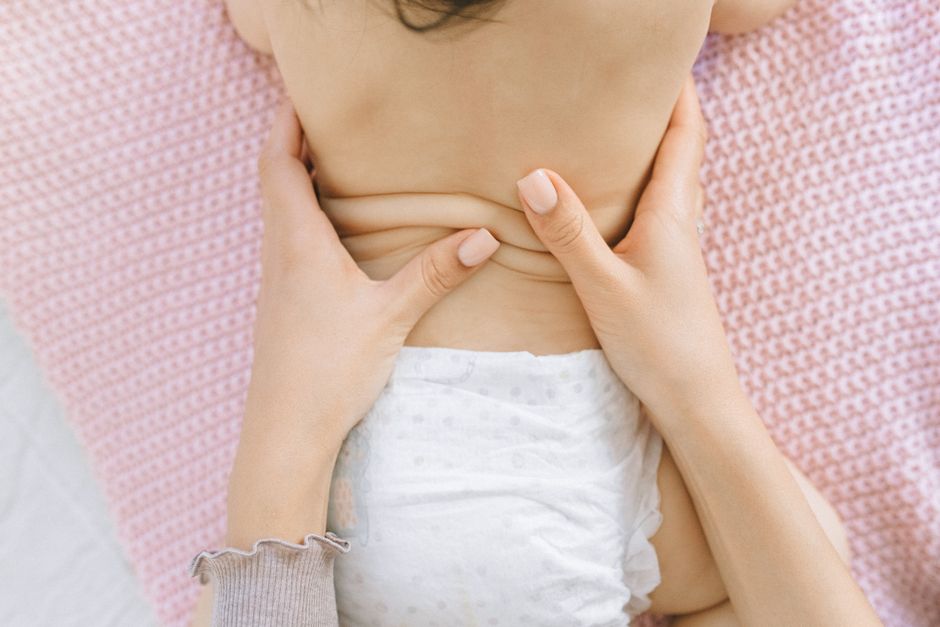
Burping a baby is a simple task, but the timing is not an exact science. Most babies need a burp after every feeding, and each burping session typically lasts 1 to 5 minutes. The real timeline depends on your baby’s age, feeding method, and individual temperament. Some babies burp within seconds, while others need a few minutes of gentle patting to release trapped air.
How Long Should You Burp a Newborn?
Newborns under 1 month old are the slowest burpers. Their digestive systems are still maturing, and they swallow more air while learning to latch and suck. Plan on 3 to 5 minutes of burping after each feeding during the first month.
You may need to stop mid-feeding to burp, not just at the end. If your baby is breastfeeding, switch sides and burp in between. If bottle-feeding, burp after every 1 to 2 ounces. This breaks up the feeding and releases air before it builds up.
Some newborns fall asleep during feeding and resist burping. That is common. Try burping in a different position or gently rubbing the back instead of patting. A sleeping baby who is comfortable does not always need to be woken for a burp, but if they seem fussy or gassy, a gentle attempt is worth it.
How Long to Burp an Older Baby (1 to 6 Months)
Between 1 and 3 months, burping usually gets faster. Many babies burp within 1 to 2 minutes. Their digestive systems are more mature, and they have better control of their mouth and swallowing. You may notice fewer wet burps and more dry ones.
By 4 to 6 months, burping time drops further. Some babies only need 30 seconds to a minute. Others stop needing burps entirely. As babies gain head control and start sitting up, air escapes more easily on its own.
Every baby is different. One baby may need a full 3 minutes at 4 months, while another is done in 15 seconds. Watch your baby’s cues instead of watching the clock. If they are calm, relaxed, and not squirming, they are probably fine.
How Do You Know When Your Baby Is Done Burping?
You are done when you hear or feel a burp. That sounds obvious, but many parents keep patting long after the air is gone. Once you hear that first burp, check your baby’s body language.
A relaxed baby is a done baby. Look for loose arms, a soft face, and a calm posture. A baby who is arching their back, pulling their legs up, or fussing may still have trapped air. Keep going for another minute or two if you see those signs.
If no burp comes after 10 minutes, stop. Some babies simply do not need to burp after every feeding. Persistent patting will not force air out that is not there. Put your baby down and watch for signs of discomfort.




What Happens If You Do Not Burp Your Baby?
Trapped air causes discomfort, not danger. A baby with unburped air may spit up, fuss, or pull their legs toward their belly. They might wake up shortly after falling asleep because the air is pressing on their stomach.
Spitting up after feeding is normal and happens to most babies. Burping reduces the amount of spit-up but does not eliminate it. Some babies spit up regardless of how well you burp them.
Missing a burp occasionally is not harmful. Your baby will pass the air on their own, either through the mouth or lower down. The risk is only discomfort and a disrupted sleep schedule, not a medical problem.
Best Positions for Burping a Baby
There are three main burping positions, and each works differently for different babies. Try all three to find what works for yours.
Over the shoulder: Hold your baby upright with their chin resting on your shoulder. Support their bottom with one hand and pat their back with the other. This is the most common position and works well for most babies.
Sitting on your lap: Sit your baby on your lap, facing away from you. Support their chest and chin with one hand. Lean them slightly forward and pat their back. This position works well for babies with good head control.
Lying across your lap: Lay your baby face down across your thighs, with their head slightly higher than their chest. Support their head and pat their back. This position puts gentle pressure on the belly and can help release stubborn air.
Whichever position you use, keep your baby upright for 10 to 15 minutes after feeding. Gravity helps keep milk down and air up. This simple practice reduces spit-up and discomfort even if your baby does not burp.
How Long to Burp a Breastfed vs. Bottle-Fed Baby
Breastfed babies typically swallow less air than bottle-fed babies. The breast creates a natural seal, and milk flow is slower and more controlled. Expect breastfeeding burping sessions to be shorter, often 1 to 3 minutes.
Bottle-fed babies swallow more air because of the bottle nipple. Air can enter through the sides of the nipple if the latch is not perfect. Expect bottle-fed burping sessions to be longer, often 3 to 5 minutes.
Use a slow-flow nipple and keep the bottle tilted so the nipple is always full of milk. This reduces the amount of air your baby swallows. Tilt the bottle at a 45-degree angle and check that no air bubbles collect near the nipple.
When to Stop Burping Your Baby
Most babies stop needing burps between 4 and 6 months. By this age, they can sit up with support, and their digestive systems handle air more efficiently. Many parents notice their baby burps on their own or does not seem to need it.
Some babies still need burping at 6 to 9 months, especially if they are bottle-fed or eat quickly. There is no set age when burping must stop. Follow your baby’s cues. If they feed happily and show no signs of gas, you can stop burping.
Premature babies may need burping for longer. Their digestive systems develop on their own schedule. Continue burping until your pediatrician says otherwise or until your baby clearly no longer needs it.
Frequently Asked Questions
How long should I pat my baby’s back for a burp?
Pat for 1 to 5 minutes per burping session. If no burp comes after 10 minutes, stop and try again later.
Can you burp a baby too much?
No, but you can waste time and disturb a settled baby. Once your baby is relaxed and shows no signs of gas, stop burping.
What if my baby falls asleep while feeding and does not burp?
Try one gentle burping attempt in a different position. If they stay asleep and seem comfortable, they are likely fine without it.
When can I stop burping my baby?
Most babies stop needing burps between 4 and 6 months. Watch for signs that your baby is comfortable without burping and follow their lead.
