
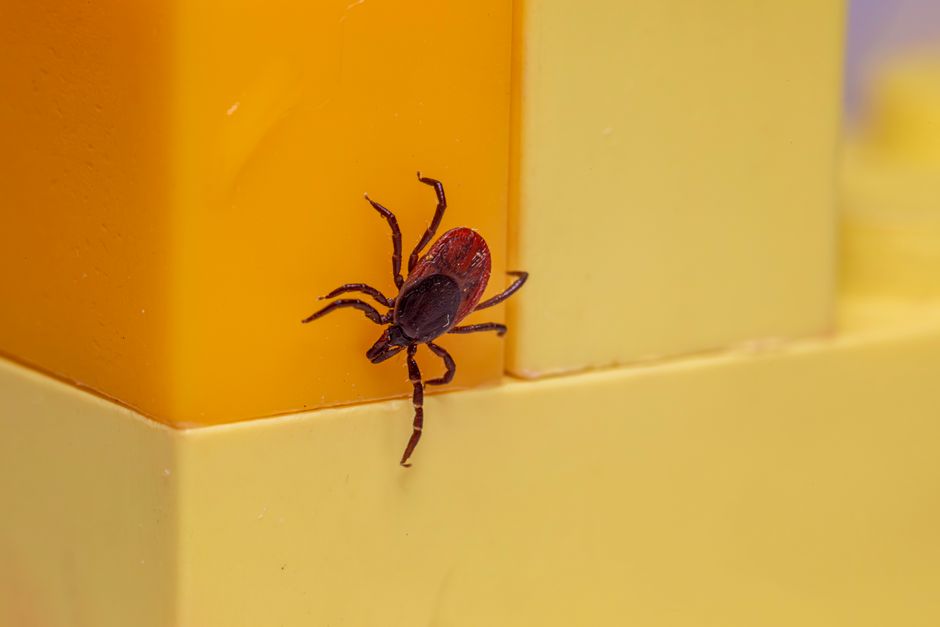
Most tick bites are harmless and cause no more than a small red bump. But some ticks carry bacteria that can make you sick. The key is knowing what to watch for and when. If you develop a fever, headache, muscle aches, or a distinctive rash within 30 days of a tick bite, see a doctor promptly. Early treatment matters, especially for Lyme disease, and the sooner you act, the better your outcome.
What Happens Right After a Tick Bite?
When a tick bites, it attaches to your skin and feeds on your blood. The bite itself is usually painless. Most people do not feel it happen. That is why checking your body after spending time outdoors is so important.
In the first 24 to 48 hours, you may see a small red bump at the bite site. This is a normal reaction to the tick’s saliva. It is not a sign of infection. The bump may itch, but it should not grow or change shape. If it does, that is a different story.
Not all ticks carry disease. In many regions, the risk is low. But the risk varies by location, tick species, and how long the tick was attached. A tick that was attached for less than 24 hours is far less likely to transmit Lyme disease than one attached for 48 hours or more.
How Long Does a Tick Need to Be Attached to Transmit Disease?
This is one of the most important facts to understand. Lyme disease bacteria are not transmitted instantly. Research shows that transmission typically requires the tick to be attached for at least 24 to 48 hours. In most cases, the risk increases significantly after 48 hours of attachment.
Other tick-borne diseases have different timelines. Anaplasmosis and babesiosis can be transmitted more quickly, sometimes within 12 to 24 hours. Powassan virus is different again — it can be transmitted in as little as 15 minutes of attachment. This is rare, but it is worth knowing.
If you find a tick on yourself, remove it as soon as possible. Use fine-tipped tweezers. Grasp the tick close to the skin and pull upward with steady, even pressure. Do not twist or jerk. After removal, clean the area with rubbing alcohol or soap and water. Save the tick in a sealed bag if you want to have it identified later.
When To Worry About a Tick Bite: The 30-Day Window
The most reliable approach is to watch for symptoms for 30 days after any tick bite. Most tick-borne illnesses produce symptoms within this window. If you remain symptom-free after 30 days, your risk of having contracted a tick-borne illness is very low.
During that month, pay attention to how you feel. The most common warning signs across tick-borne diseases include:
- Fever or chills
- Headache
- Fatigue
- Muscle and joint aches
- Swollen lymph nodes
- A rash, especially one that expands outward
Not everyone develops a rash. Some people have only flu-like symptoms. If you have been bitten and develop any of these symptoms, do not wait to see if they pass. Contact a healthcare provider and tell them about the tick bite.




What Does the Lyme Disease Rash Look Like?
The classic Lyme disease rash is called erythema migrans. It often appears as a circular red rash that expands slowly over several days. The center may clear as it grows, creating a bullseye appearance. But not all Lyme rashes look like a bullseye. Some are solid red ovals or patches.
The rash typically appears 3 to 30 days after the tick bite. It can be warm to the touch but is usually not painful or itchy. The rash can grow to several inches across if left untreated.
Here is a critical point: the rash may appear somewhere other than the bite site. Ticks can bite in hidden areas like the scalp, groin, or armpit. You may never see the tick itself. If you find an expanding rash anywhere on your body and you have been outdoors in a tick area, take it seriously.
What Other Diseases Can Ticks Carry?
Lyme disease gets the most attention, but it is not the only concern. Depending on where you live, ticks can transmit several other infections.
Anaplasmosis causes fever, headache, and muscle pain. It does not typically cause a rash. Symptoms usually begin within 1 to 2 weeks of the bite.
Babesiosis is a parasitic infection that affects red blood cells. It can cause fever, chills, and fatigue. Some people have no symptoms at all. It is more common in the Northeast and upper Midwest.
Ehrlichiosis is similar to anaplasmosis and occurs mainly in the Southeast and South-Central United States. Fever and headache are the main symptoms.
Rocky Mountain spotted fever causes fever, headache, and a distinctive spotted rash. It can be severe if not treated early. Despite the name, it occurs most often in the Southeast and Mid-Atlantic states.
Powassan virus is rare but can cause serious brain inflammation. There is no specific treatment. Prevention is the only defense.
Each of these diseases requires different treatment. That is why telling your doctor about the tick bite and your symptoms is so important.
When Should You See a Doctor Immediately?
Some symptoms require urgent medical care. Do not wait for an appointment if you experience any of the following after a tick bite:
- Difficulty breathing or swallowing
- Severe headache that does not improve
- Stiff neck
- Confusion or difficulty concentrating
- Facial drooping or weakness on one side of the body
- Irregular heartbeat or palpitations
- Severe muscle weakness
These can be signs of more serious complications. Lyme disease can cause facial nerve palsy (Bell’s palsy) and heart rhythm problems if untreated. Rocky Mountain spotted fever can be fatal if treatment is delayed. When in doubt, seek care.
Should You Take Antibiotics After a Tick Bite?
This is a common question, and the answer is not simple. In most cases, routine antibiotic treatment after a tick bite is not recommended. The risk of infection is low enough that the downsides of antibiotics outweigh the benefits.
There is one exception. A single dose of doxycycline may be given within 72 hours of removing a tick in certain high-risk situations. This is only considered when the tick is identified as an adult or nymphal deer tick, the tick was attached for at least 36 hours, and the person lives in or visited an area where Lyme disease is common.
This preventive dose is not recommended for everyone. It is not used for pregnant women or children under 8 years old. The decision is made by a healthcare provider on a case-by-case basis. You should not request antibiotics for every tick bite.
How Is Tick-Borne Illness Diagnosed and Treated?
Diagnosis is often based on symptoms and exposure history. Blood tests for Lyme disease can be negative in the first few weeks because your body has not yet produced enough antibodies. This does not mean you do not have the disease.
If your doctor suspects Lyme disease based on symptoms and exposure, they may start treatment before the blood test comes back positive. This is standard practice. Early treatment with antibiotics is highly effective. Most people recover fully.
For other tick-borne diseases, specific blood tests are available. Your doctor will choose tests based on your symptoms and where you were exposed. Treatment varies by disease. Bacterial infections like anaplasmosis and ehrlichiosis are treated with doxycycline. Babesiosis requires antiparasitic medications.
How Can You Prevent Tick Bites?
Prevention is the most effective strategy. Ticks are most active from spring through fall, but they can be active whenever temperatures are above freezing.
When spending time in grassy, brushy, or wooded areas, take these steps:
- Wear long sleeves and long pants. Tuck pants into socks.
- Use EPA-registered insect repellents containing DEET, picaridin, or oil of lemon eucalyptus.
- Treat clothing and gear with permethrin, which kills ticks on contact.
- Stay on cleared trails and avoid walking through tall grass.
- Shower within 2 hours of coming indoors.
- Do a full body tick check using a mirror. Check behind knees, in the hair, around the ears, underarms, and groin.
- Check pets, coats, and backpacks for ticks before entering the house.
- Put clothes in a hot dryer for 10 to 15 minutes to kill any ticks.
If you find a tick, remove it promptly. The longer it stays attached, the higher the risk of disease transmission.
What If You Never Find a Tick But Get Symptoms?
Many people with tick-borne illness never remember being bitten. Ticks are small, and nymphs can be the size of a poppy seed. They can attach in hidden places and drop off after feeding.
If you develop an expanding rash, fever, or flu-like symptoms during tick season and you have spent time outdoors, mention this to your doctor. Tick exposure is relevant even without a remembered bite. Your doctor may consider tick-borne illness as a possible cause of your symptoms.
Frequently Asked Questions
How soon after a tick bite do symptoms appear?
Symptoms typically appear within 3 to 30 days after a tick bite. The most common early symptoms are fever, headache, fatigue, and sometimes a rash.
Should I see a doctor after every tick bite?
No. Most tick bites do not cause illness. See a doctor if you develop symptoms within 30 days, if the tick was attached for 36 hours or more and is a deer tick, or if you have concerns about a specific exposure.
Can a tick bite cause a rash without Lyme disease?
Yes. A small red bump at the bite site is a normal reaction and not a sign of infection. A rash that expands outward over several days is more concerning and should be evaluated.
Is a bullseye rash always Lyme disease?
No, but it is a strong indicator. The classic bullseye pattern is caused by the Lyme disease bacteria, but some people develop a solid red rash instead. A doctor should evaluate any expanding rash after possible tick exposure.
