
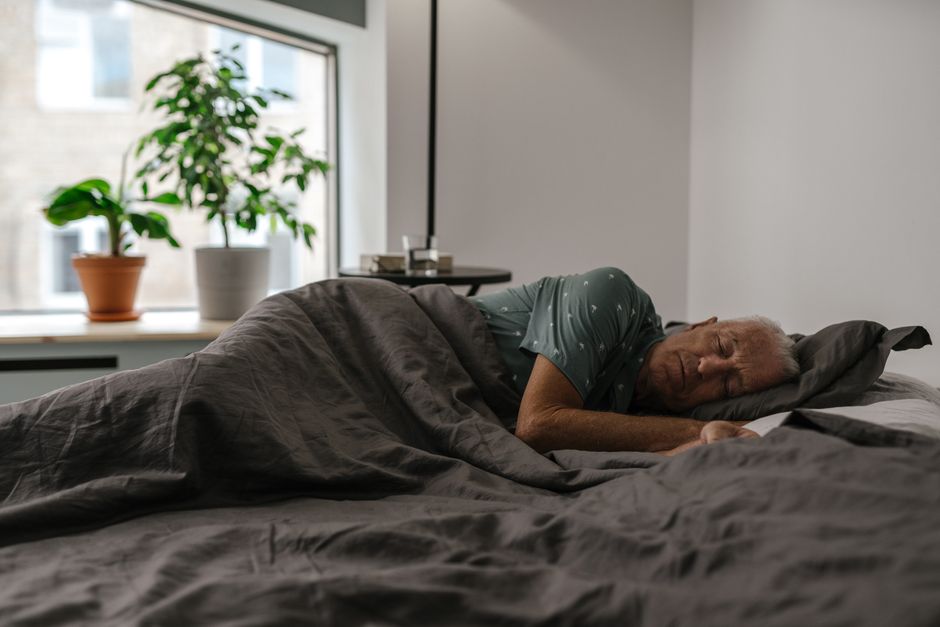
A short nap can fix your afternoon slump. A long one can leave you groggy and worse off than before. The difference comes down to timing. Most adults do best with a nap of 10 to 20 minutes. That length keeps you in the lighter stages of sleep, so you wake up feeling refreshed rather than disoriented. If you sleep longer than 30 minutes, you risk waking up mid-deep-sleep, which produces that heavy, hung-over feeling called sleep inertia. The ideal nap window is short, consistent, and timed to your body’s natural dip in alertness.
How Long Should Naps Be? Timeline
The 10 to 20 minute nap is the sweet spot for most healthy adults. This is often called a power nap. It gives you the restorative benefits of light sleep without entering the deeper stages that are hard to wake from.
A 20-minute nap can improve alertness, reaction time, and short-term memory. Research consistently shows that naps in this range outperform longer naps when you need to get up and function immediately afterward.
If you have more time, a 60 to 90 minute nap can include a full sleep cycle. That means light sleep, deep sleep, and REM sleep. Waking at the end of a cycle rather than in the middle of one is the key. A 90-minute nap can boost creativity and emotional memory processing, but it requires enough time and the ability to sleep that long during the day.
Why Do You Feel Worse After a Long Nap?
Sleep inertia is the medical term for the groggy, disoriented feeling you get after waking from deep sleep. It happens when you wake up during the slow-wave stage of sleep, which your brain does not want to be pulled out of.
Naps longer than 30 minutes often end in this deep stage. Your brain is actively working to consolidate memories and restore energy, and being yanked awake mid-process leaves you sluggish. This grogginess can last anywhere from a few minutes to over an hour. Some studies suggest that sleep inertia can temporarily impair performance even more than no sleep at all.
The 10 to 20 minute nap avoids this problem entirely. You stay in stage 1 and stage 2 sleep, which are light enough that waking up feels natural.
When Is the Best Time to Nap?
The best time for a nap is the early afternoon, usually between 1:00 PM and 3:00 PM. This aligns with your body’s natural circadian rhythm, which produces a dip in alertness around this time each day. It is not just about lunch. Even if you skip eating, your internal clock still creates this afternoon lull.
Napping too late in the day can interfere with nighttime sleep. A nap after 3:00 PM adds wakefulness to your sleep drive, which can make it harder to fall asleep at your usual bedtime. For people who already struggle with insomnia, even an early afternoon nap can make nighttime sleep worse.
If you work night shifts or have an irregular schedule, the timing shifts. Night workers often need a nap before their shift starts to reduce sleepiness on the job. The same rules apply: keep it short, and schedule it strategically around your work hours.





What Are the Real Benefits of Napping?
Napping is not a replacement for nighttime sleep. It is a supplement. A short nap can improve alertness, mood, and performance on tasks that require sustained attention. Studies have found that a 10 to 20 minute nap improves reaction time and reduces subjective sleepiness better than caffeine in some comparisons.
There is also evidence that napping supports memory. A brief nap can help consolidate new information you learned earlier in the day. This works because sleep, even light sleep, plays a role in moving information from short-term to long-term memory storage.
Napping does not fix chronic sleep deprivation. If you are consistently getting less than seven hours of sleep at night, a nap is a temporary patch, not a solution. The underlying problem is insufficient nighttime sleep, and that needs to be addressed directly.
Who Should Avoid Napping?
People with insomnia should generally avoid naps. Daytime sleep reduces the pressure to sleep at night, which can make falling asleep even harder. If your sleep problems are primarily about staying asleep or falling asleep, napping is likely working against you.
People with sleep apnea should also be cautious. Sleep apnea causes fragmented sleep at night, and daytime napping can mask the severity of the problem. If you feel you need a nap every day to get through the afternoon, that is worth discussing with a doctor. It may be a sign that your nighttime sleep quality is poor, not that you just need a nap.
Older adults may find that napping becomes less helpful as they age. Sleep architecture changes, and daytime sleep can further fragment nighttime sleep. If you are over 65 and napping regularly, pay attention to whether it affects your ability to sleep through the night.
How to Wake Up Refreshed From a Nap
Set an alarm before you close your eyes. A 20-minute nap requires a timer. If you rely on waking up naturally, you will likely overshoot into deep sleep and wake up groggy.
Consider a “coffee nap.” This is a strategy where you drink a cup of coffee immediately before a 20-minute nap. Caffeine takes about 20 to 30 minutes to reach peak levels in your bloodstream, so it kicks in right as you are waking up. Some research suggests this combination improves alertness more than either coffee or a nap alone.
Wake up in a bright environment. Light exposure after waking helps signal to your brain that it is time to be alert. Open the blinds or step outside briefly after your nap ends.
If you wake up groggy despite a short nap, check your sleep hygiene at night. A nap that does not refresh you may be a sign that you are carrying a large sleep debt.
Does Nap Duration Change by Age?
Babies and young children have completely different sleep needs. Newborns sleep in short bursts around the clock, and naps are a major part of their total sleep time. Toddlers typically need one or two naps per day until about age three.
For school-age children, naps become less necessary but can still help if they are not getting enough nighttime sleep. The key is consistency. A child who naps at wildly different times each day may have more trouble settling at night.
Adults follow the 10 to 20 minute rule. Older adults may benefit from even shorter naps, around 10 minutes, because their nighttime sleep is often lighter and more fragmented. The goal for any age is the same: nap enough to restore alertness, but not so much that it steals sleep from the next night.
Can Napping Replace Lost Nighttime Sleep?
No. A nap cannot make up for chronic sleep loss. If you miss several hours of sleep each night, a 20-minute nap will not restore the full range of sleep functions your body needs. Deep sleep, REM sleep, and the full cycle of restorative processes only happen during extended sleep.
For acute sleep loss, like a single bad night, a nap can help bridge the gap. A 90-minute nap after one night of poor sleep can restore some cognitive function. But this is a short-term fix, not a strategy for ongoing sleep debt.
The bottom line is that naps are a tool for managing daytime sleepiness, not a substitute for the seven to nine hours of sleep most adults need each night.
Frequently Asked Questions
Is a 2-hour nap too long?
Yes, a 2-hour nap is too long for most adults. It puts you through multiple full sleep cycles and makes waking up difficult, leaving you groggy and potentially disrupting your nighttime sleep.
Is a 30-minute nap good?
A 30-minute nap is risky because it is right at the edge of deep sleep. Some people wake up fine, but many wake up in the middle of slow-wave sleep and feel worse than before the nap.
What is the best nap length for energy?
Ten to 20 minutes is the best nap length for quick energy. It keeps you in light sleep stages so you wake up alert without sleep inertia.
Is it okay to nap every day?
Daily napping is fine for healthy adults if the naps are short and do not interfere with nighttime sleep. If you need a nap every day just to function, it is worth checking whether your nighttime sleep quality is adequate.
