
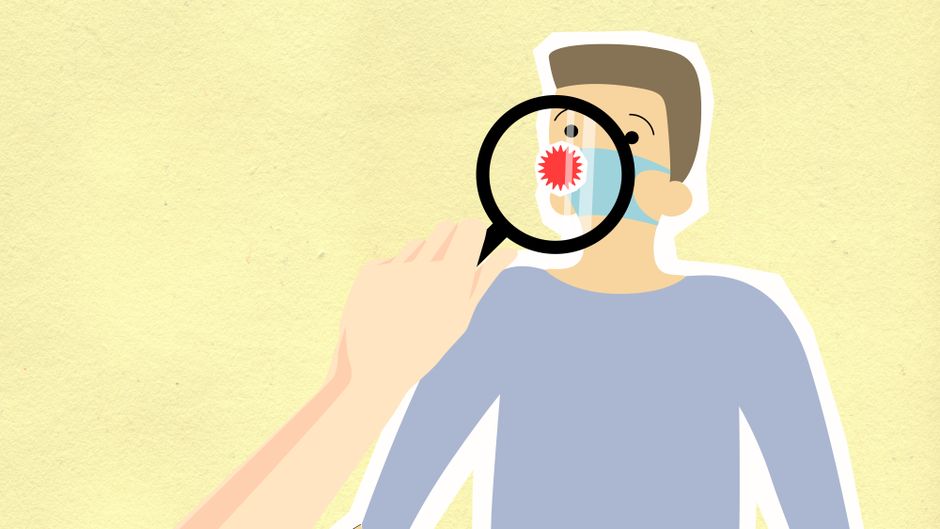
The flu is contagious from about one day before symptoms start until about 5 to 7 days after you first feel sick. Adults can spread the virus for up to 7 days, and children can spread it for even longer, sometimes more than a week. The CDC advises staying home for at least 24 hours after your fever is gone without using fever-reducing medicine.
How Long Is The Flu Contagious Cdc Timeline
The CDC’s timeline for flu contagiousness follows a fairly predictable pattern. You can spread the virus to others starting about 24 hours before you develop symptoms. This means you can infect someone before you even know you are sick.
You remain most contagious during the first 3 to 4 days of your illness. This is when your viral load is highest. By day 5 to 7, most adults are no longer shedding enough virus to infect others.
Children and people with weakened immune systems can shed the virus for longer periods. Some studies show children can spread the flu for 10 days or more after symptoms begin.
When Are You Most Contagious With The Flu
Peak contagiousness happens in the first 48 to 72 hours of symptoms. This is when you have the highest concentration of virus in your respiratory droplets.
Every time you cough, sneeze, or even talk, you release tiny droplets that carry the virus. These droplets can travel up to 6 feet and land in the mouths or noses of people nearby. They can also land on surfaces where the virus can survive for 24 to 48 hours.
The flu virus spreads easily in the first few days because your symptoms are often the worst then. That combination — high viral load and frequent coughing or sneezing — makes you a significant risk to others.
How The Flu Actually Spreads
Influenza spreads mainly through respiratory droplets. When an infected person coughs or sneezes, droplets containing the virus are expelled into the air.
You can catch the flu if these droplets land in your nose, mouth, or eyes. Less commonly, you can touch a surface with the virus on it and then touch your own face. This is why hand washing matters, though airborne transmission is the primary route.
The incubation period — the time between exposure and symptoms — is usually 1 to 4 days. The average is about 2 days. During this time you may feel fine, but you can already be contagious.
This is why the flu spreads so efficiently in workplaces and schools. People often go about their normal routines while contagious, unaware they are carrying the virus.
How Long Should You Stay Home
The CDC has clear guidance for when you can return to work or school after the flu. Stay home for at least 24 hours after your fever is gone without using fever-reducing medication.
Your fever should be gone on its own, not suppressed with ibuprofen or acetaminophen. If your temperature returns to normal only because you took medicine, you are still potentially contagious.
This 24-hour rule applies to most otherwise healthy adults. The timeline may be different for people in high-risk groups or those with weakened immune systems.
Even after your fever breaks, you may still have a cough or fatigue. These symptoms alone do not mean you are contagious, but they can linger for 1 to 2 weeks. The contagious period is tied to viral shedding, not just symptoms.
How Long Are Children Contagious With The Flu
Children spread the flu longer than adults do. While most adults stop shedding the virus by day 5 to 7, children can shed it for 10 days or more.
Younger children, especially those under 5, may shed the virus even longer. This is partly because their immune systems are still developing and they take longer to clear the infection.
This longer contagious window matters for schools and daycare centers. A child who feels better after 3 days may still be contagious and could infect classmates or siblings.
Parents should follow the same fever rule for children: keep them home until their fever has been gone for 24 hours without medication. This applies even if they seem to have energy and want to play.
Can You Spread The Flu Before Symptoms Appear
Yes. You can spread the flu to others starting about 24 hours before you feel sick. This is called presymptomatic transmission.
This is one reason the flu is so hard to contain. Someone who feels perfectly healthy can walk into a crowded store or office and infect others before ever developing a fever or cough.
The amount of virus you shed during this presymptomatic period is lower than during peak illness, but it is still enough to infect others.
This is why the CDC emphasizes prevention measures like annual vaccination and hand hygiene rather than relying solely on staying home when sick. By the time you know you are sick, you may have already exposed others.
What If You Still Feel Sick After 7 Days
Most people recover from the flu within 3 to 7 days. But some symptoms, especially cough and fatigue, can last up to 2 weeks or longer.
Feeling tired or having a lingering cough does not necessarily mean you are still contagious. The contagious period is tied to viral shedding, not to how you feel.
However, some people do shed the virus longer than the typical window. This is more common in older adults, young children, pregnant women, and people with chronic conditions like asthma or diabetes.
If your symptoms get worse instead of better, or if you develop shortness of breath, chest pain, or confusion, contact a healthcare provider. These can be signs of complications like pneumonia, which requires medical attention.
How To Avoid Spreading The Flu To Others
If you have the flu, the most effective thing you can do is stay home and rest. Avoid contact with other people as much as possible, especially during the first 4 days when you are most contagious.
Cover your mouth and nose with a tissue when you cough or sneeze. Throw the tissue away immediately and wash your hands. If no tissue is available, cough or sneeze into your elbow, not your hands.
Wash your hands frequently with soap and water for at least 20 seconds. Hand sanitizer with at least 60% alcohol is an acceptable alternative when soap and water are not available.
Clean frequently touched surfaces like doorknobs, light switches, keyboards, and phones. The flu virus can survive on hard surfaces for up to 48 hours.
Wearing a mask while you are sick can reduce the spread of respiratory droplets, especially if you must be around others.
Frequently Asked Questions
How long is the flu contagious after a fever breaks?
You should stay home for at least 24 hours after your fever is gone without fever-reducing medication. After that, your risk of spreading the virus is significantly lower, though you may still have lingering symptoms like cough.
Can you spread the flu before you have symptoms?
Yes, you can spread the flu about 24 hours before symptoms appear. This presymptomatic period means you can infect others without knowing you are sick.
How long is a child contagious with the flu?
Children can spread the flu for 10 days or more after symptoms begin. This is longer than the typical 5 to 7 day contagious window for adults.
Are you still contagious if you have a cough but no fever?
A lingering cough does not necessarily mean you are still contagious. The contagious period is tied to viral shedding, which usually ends by day 5 to 7 for adults, even if symptoms persist.
The bottom line is simple. The flu is contagious from about 1 day before symptoms start through about 5 to 7 days after. Stay home until your fever has been gone for 24 hours without medication. This protects your coworkers, your family, and your community.
