
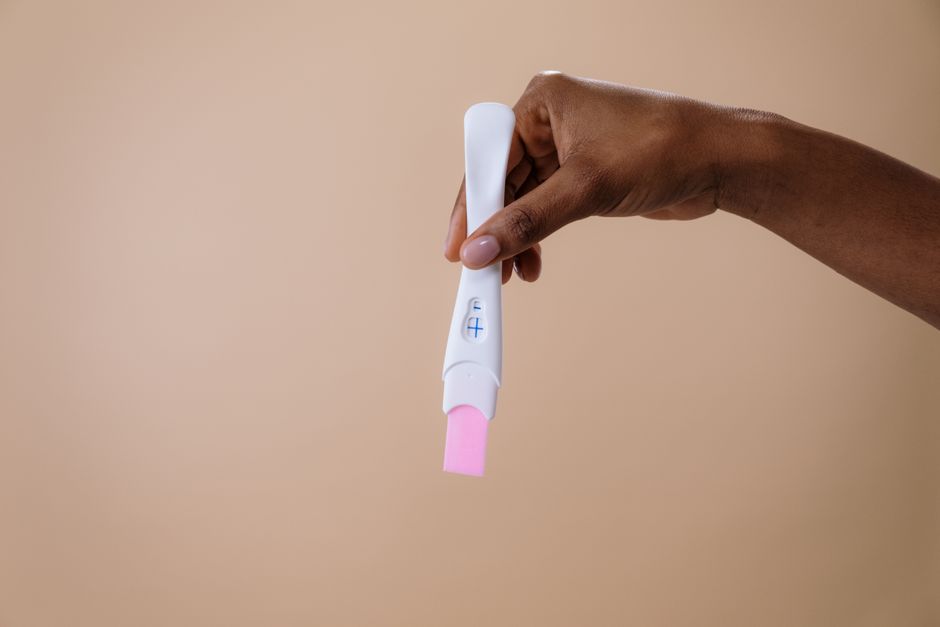
You take the test, you wait, and those two minutes feel like two hours. Most home pregnancy tests can show a result in about 3 to 5 minutes, but the exact time depends on the brand and the amount of hCG in your urine. The most accurate approach is to follow the specific timing instructions on the package you bought. Reading the test too early or too late can lead to a false negative or a confusing faint line.
How Do Home Pregnancy Tests Work?
Home pregnancy tests detect a hormone called human chorionic gonadotropin, or hCG. Your body only starts making this hormone after a fertilized egg implants in the uterus. That implantation typically happens about 6 to 10 days after ovulation.
Once implantation occurs, hCG levels rise quickly. They usually double every 48 to 72 hours in early pregnancy. The test strip contains antibodies that bind to this hormone. When hCG is present in your urine, it triggers a chemical reaction that produces a visible line or a digital reading.
This is why timing matters. If you test too early, there may not be enough hCG in your urine for the test to detect. The test is working correctly, but the hormone level is simply too low.
How Long Does A Pregnancy Test Take To Show Results?
Most home pregnancy tests display results within 3 to 5 minutes. Some digital tests may take up to 5 minutes to process and show a clear “Pregnant” or “Not Pregnant” message. Strip-style tests often show results at the 3-minute mark.
Every brand is different, so the package insert is your best guide. Some tests are designed to be read at 2 minutes. Others require a full 5 minutes. The timing begins the moment urine touches the test strip, not when you set the test down on the counter.
Reading the test after the recommended window can cause problems. An evaporation line can appear on a dried test, looking like a faint positive when it is actually nothing. This is a common source of confusion and false hope.
When Is The Best Time To Take A Pregnancy Test?
Testing too early is the most common reason for a false negative. If you test before implantation has occurred, there is no hCG in your body yet. No test can detect a pregnancy that has not started producing the hormone.
The most reliable time to test is on the first day of your missed period. By this point, hCG levels are usually high enough for most tests to detect. Some sensitive tests claim to detect pregnancy up to 6 days before your missed period, but this is not guaranteed for everyone.
For the most accurate results, take the test first thing in the morning. Your urine is most concentrated after sleeping, which means hCG levels are at their highest. Testing later in the day after drinking fluids can dilute your urine and make it harder for the test to detect the hormone.




How Early Can A Pregnancy Test Detect hCG?
The sensitivity of pregnancy tests varies by brand. Sensitivity refers to the lowest amount of hCG the test can detect, measured in milli-international units per milliliter (mIU/mL). Tests with a sensitivity of 10 mIU/mL can detect lower levels of hCG than tests with a sensitivity of 25 mIU/mL.
Here is a general timeline of when hCG becomes detectable:
- 6-8 days after ovulation: Implantation typically occurs. hCG begins to enter your bloodstream.
- 8-10 days after ovulation: Very sensitive tests may detect hCG in some women.
- 12-14 days after ovulation: Most pregnancy tests can detect hCG. This is around the time of a missed period.
- After a missed period: Nearly all pregnancy tests should give an accurate result.
Even with a sensitive test, a negative result before your missed period does not rule out pregnancy. Your hCG levels may simply be too low on that particular day.
What Does A Faint Line Mean?
A faint line on a pregnancy test usually means you are pregnant, but the hCG level is still low. This is common when you test very early or when you test later in the day with diluted urine.
Any visible line, even a faint one, indicates the test detected hCG. The intensity of the line does not directly correlate with how far along you are. A darker line does not necessarily mean a stronger pregnancy or a healthier outcome.
The exception is an evaporation line. This appears when urine dries on the test strip after the recommended reading time. Evaporation lines are usually colorless or gray, while a true positive line has a pink or blue tint. Always read the test within the time window stated on the package to avoid this confusion.
Can Medications Affect Pregnancy Test Results?
Most common medications do not interfere with home pregnancy tests. Pain relievers, antibiotics, and birth control pills do not affect hCG levels or test accuracy. Fertility medications are the main exception.
Some fertility treatments contain hCG itself, such as the trigger shot used during IVF or timed intercourse. If you take a pregnancy test too soon after this injection, you may get a false positive. The injected hCG can remain in your system for up to 14 days, depending on the dose.
If you are using fertility medications, your doctor can advise you on when to test. Testing too early after an hCG trigger shot does not provide reliable information.
What If The Test Is Negative But You Still Think You Are Pregnant?
A negative test does not always mean you are not pregnant. You may have tested too early, used diluted urine, or misread the timing window. If your period does not arrive, wait 48 to 72 hours and test again. Your hCG levels should double in that time if you are pregnant.
If you continue to get negative results but miss your period, contact a healthcare provider. A blood test can detect hCG at much lower levels than a urine test. Your doctor can also evaluate other possible causes of a missed period, including stress, thyroid conditions, or hormonal imbalances.
Are Digital Pregnancy Tests More Accurate?
Digital tests are not more accurate than traditional line tests. They use the same technology to detect hCG in your urine. The difference is simply how the result is displayed.
A digital test shows the words “Pregnant” or “Not Pregnant,” which eliminates the guesswork of interpreting lines. This can be helpful if you are anxious about reading a faint line. However, digital tests are often less sensitive than some line tests, meaning they may detect pregnancy slightly later.
Choose the test that fits your needs. If you want a clear yes or no answer, a digital test may reduce anxiety. If you are testing early and want maximum sensitivity, a line test may be the better option.
When Should You See A Doctor?
A positive home pregnancy test is a strong indicator of pregnancy, but it is not a medical diagnosis. Schedule an appointment with a healthcare provider to confirm the result with a blood test and discuss next steps.
Seek medical attention sooner if you experience heavy bleeding, severe pelvic pain, or dizziness along with a positive test. These symptoms can indicate an ectopic pregnancy, which requires prompt medical care. Ectopic pregnancies occur when the fertilized egg implants outside the uterus, most commonly in a fallopian tube.
Frequently Asked Questions
How many minutes should I wait for a pregnancy test result?
Most tests require 3 to 5 minutes to show a result. Check the package insert for the exact timing, because every brand is different.
Can I read a pregnancy test after 10 minutes?
No. Reading a test after the recommended window can produce an evaporation line that looks like a faint positive. Only trust results read within the time stated on the package.
Will a pregnancy test show positive 3 days before my period?
It can, but it is not guaranteed. Some sensitive tests detect hCG this early, but hormone levels vary by woman and by cycle. Testing on the first day of a missed period is more reliable.
Why is my pregnancy test negative but I still have no period?
You may have tested too early, or your hCG levels may be too low to detect. Wait 48 to 72 hours and test again, or see a doctor for a blood test.
