
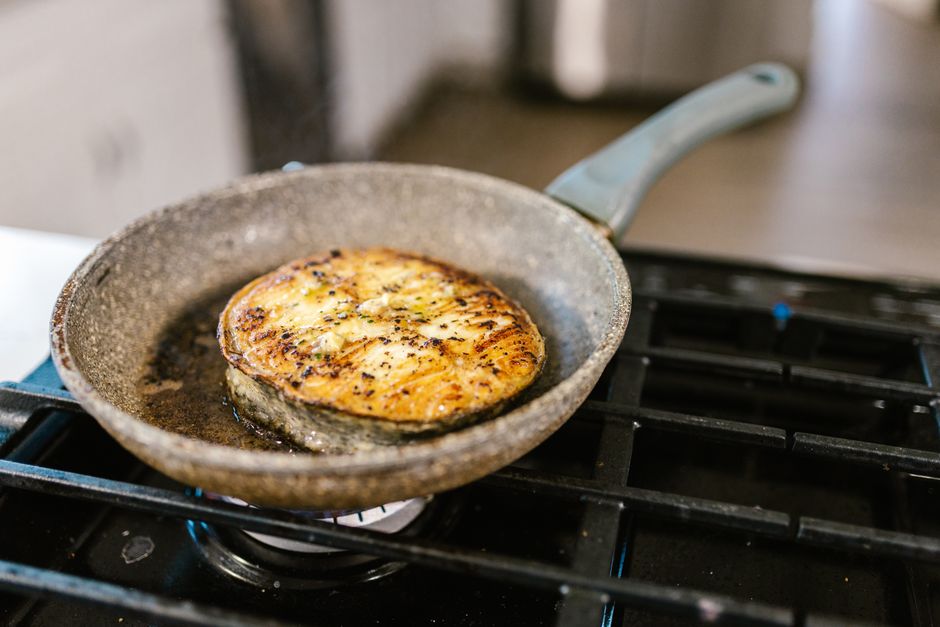
Marinating salmon is a quick way to add flavor, but leaving it too long can ruin the texture. The sweet spot for most salmon marinades is 30 minutes to 1 hour in the refrigerator. If you go much longer, especially with acidic ingredients like lemon or vinegar, the fish can turn mushy and opaque. This guide explains exactly how timing works, why it matters, and what happens when you push the limits.
Why Marinade Time Matters for Salmon
Salmon is a delicate fish. Unlike beef or pork, it does not need hours in a marinade to become tender. The muscle fibers are short and the fat content is high, which means flavor absorbs quickly.
The main risk is acid. Lemon juice, lime juice, vinegar, and wine are common marinade ingredients. Acid denatures protein, which is the same process that cooks ceviche. On salmon, this starts happening within 30 to 60 minutes. The flesh turns from translucent to opaque, and the texture becomes mealy or soft.
Salt is the other factor. Salt draws moisture out of the fish through osmosis. A salty marinade left for several hours can leave you with dry, tough salmon. The surface may even look white and curdled, which is coagulated protein.
How Long Should You Marinate Salmon? The Basic Rule
Thirty minutes is enough for most marinades. One hour is the maximum for anything containing acid. If your marinade is oil-based with herbs and no acid, you can stretch it to 2 hours without much risk.
Here is a practical breakdown:
- Acidic marinades (lemon, lime, vinegar, wine): 15 to 30 minutes
- Balanced marinades (oil, soy, garlic, mild acid): 30 to 60 minutes
- Oil and herb marinades (no acid): up to 2 hours
- Dry rubs: 30 minutes to 4 hours, depending on salt content
These times apply to fresh or thawed salmon stored in the refrigerator. Never marinate at room temperature. Bacteria multiply quickly between 40°F and 140°F.
What Happens If You Marinate Salmon Overnight?
Overnight marinating is a common mistake. The result is predictable: the acid cooks the surface of the fish, the salt pulls out moisture, and the texture becomes soft and pasty.
Some recipes call for overnight marinating, but those are usually for firm fish like swordfish or for very mild marinades with no acid. For salmon, even a mild marinade left for 8 to 12 hours will noticeably change the texture. The flavor may be deeper, but the mouthfeel suffers.
If you need to prepare ahead, there is a better approach. Marinate for 30 minutes, then remove the salmon from the marinade and store it covered in the refrigerator. Cook it within 24 hours. This gives you the flavor without the texture damage.





How Acid and Salt Change Salmon Texture
Understanding the science helps you avoid mistakes. Salmon muscle is made of proteins held together in a structured network. Acid breaks the bonds between these proteins. As the bonds loosen, the fish loses its firmness.
You can see this happening. After 30 minutes in lemon juice, the outer layer of salmon turns lighter in color. After 2 hours, that layer is fully opaque and slightly firm, like cooked fish. The inside remains raw. This uneven effect is why short marinating times work best.
Salt has a different effect. It dissolves some proteins and forces water out of the cells. This is why salted salmon can feel firmer on the surface but drier after cooking. A dry rub with salt can be left longer than a liquid marinade because there is no acid, but 4 hours is still a reasonable limit.
Does Marinating Salmon Actually Add Flavor?
Yes, but only to the surface. Marinades penetrate salmon poorly because the fish is dense and oily. Most flavor stays in the top few millimeters. This is not a flaw; it is how fish works.
For deeper flavor, you have two better options. One is a dry rub with salt and spices, which draws out moisture and allows seasoning to adhere. The other is a glaze applied during the last few minutes of cooking. A honey-soy glaze brushed on while the salmon finishes in the oven or on the grill gives a concentrated flavor layer that a marinade cannot match.
If you do marinate, pat the salmon dry before cooking. Wet surfaces steam instead of searing, which prevents browning. A dry surface gives you that caramelized crust that carries flavor.
How to Tell If Your Salmon Is Over-Marinated
You can see and feel the damage before cooking. Over-marinated salmon looks dull and slightly translucent in patches. The surface may feel slimy or mushy. If you press it gently, the flesh does not spring back.
After cooking, over-marinated salmon falls apart easily. It lacks the flaky structure that makes salmon pleasant to eat. The taste is not ruined, but the texture is noticeably off.
If you accidentally leave salmon in a marinade too long, you can still cook it. The flavor will be fine. Just expect a softer texture. Cooking it gently, such as baking at 375°F until it reaches an internal temperature of 145°F, will minimize further damage.
Best Marinade Recipes and Their Ideal Times
Different marinade styles have different ideal times. Here are three common types and how long each should sit.
Lemon-herb marinade. Olive oil, lemon juice, garlic, dill, salt, and pepper. The lemon makes this acidic, so keep it to 15 to 30 minutes. Longer than 45 minutes and the surface will start to turn opaque.
Soy-ginger marinade. Soy sauce, sesame oil, grated ginger, garlic, and a touch of honey. Soy sauce is salty and mildly acidic. Thirty minutes to 1 hour works well. The salt will firm the surface slightly, which is fine for grilling.
Maple-Dijon glaze. Maple syrup, Dijon mustard, and olive oil. This is low in acid and high in sugar. You can marinate for 30 minutes to 2 hours. The sugar will caramelize nicely under high heat, so this works well for grilling or broiling.
For all of these, discard the leftover marinade. Never reuse marinade that has touched raw fish unless you boil it first. Boiling for at least 1 minute kills bacteria, but it is simpler to make a fresh batch for basting.
Marinating Frozen vs. Thawed Salmon
Do not marinate frozen salmon. The marinade cannot penetrate ice, and the uneven temperature creates food safety risks. Always thaw salmon completely in the refrigerator before marinating.
Thawing takes about 12 to 24 hours for a standard fillet in the refrigerator. Cold water thawing works faster, about 30 minutes per pound, but the fish must be in a sealed bag. Once thawed, pat it dry and marinate according to the times above.
Some people marinate partially frozen salmon to save time. This is not recommended. The outside may absorb marinade while the inside stays frozen, leading to uneven cooking and a higher risk of undercooked sections.
Food Safety Rules for Marinating Salmon
Salmon is raw fish, so basic food safety rules apply. Always marinate in the refrigerator, never on the counter. Use a glass, ceramic, or food-grade plastic container. Avoid metal bowls, especially aluminum, which can react with acid and give the fish a metallic taste.
Keep the marinating time within the limits described above. The USDA recommends discarding marinade that has touched raw fish unless it is boiled. This applies to all fish, including salmon.
Cook salmon to an internal temperature of 145°F as measured with a food thermometer. Some chefs prefer salmon at lower temperatures for a softer texture, but 145°F is the safe standard. If you choose to cook it less, you accept the food safety risk.
Frequently Asked Questions
Can you marinate salmon for 2 hours?
Yes, but only if the marinade has little or no acid. Oil and herb marinades can sit for 2 hours. Acidic marinades should come off after 30 to 60 minutes.
Is 30 minutes enough to marinate salmon?
Yes, 30 minutes is enough for most marinades to add noticeable flavor. The surface absorbs seasoning quickly, and longer times mainly change texture rather than taste.
Can you marinate salmon overnight?
It is not recommended. Acid and salt will break down the proteins and dry out the fish, leaving a mushy texture. If you must prepare ahead, marinate for 30 minutes and store the fish separately.
How can you tell if salmon is over-marinated?
The surface looks dull, slightly opaque, or mushy. After cooking, it falls apart instead of flaking. The flavor is usually fine, but the texture is soft and mealy.
