
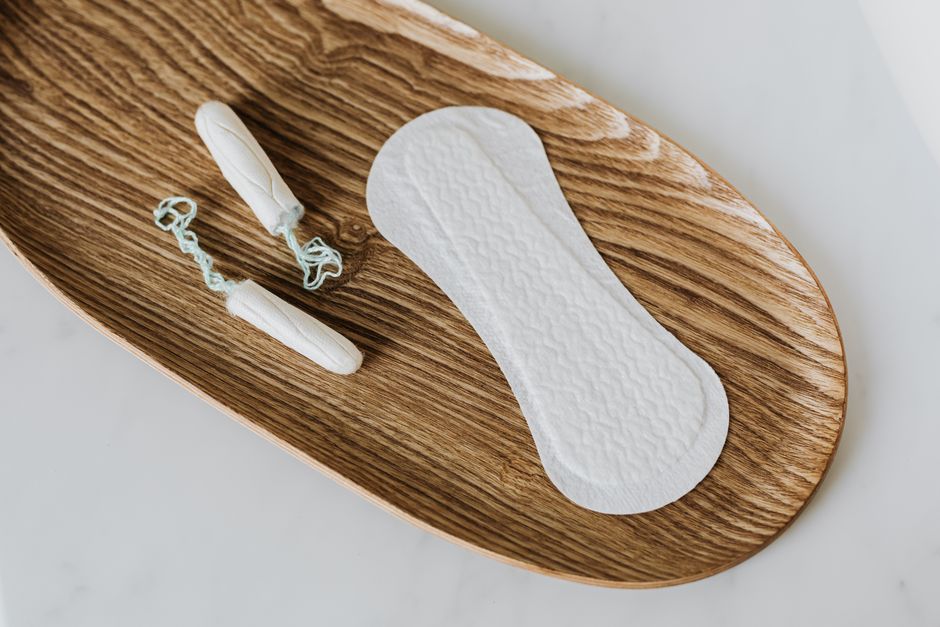
Most tampon packaging tells you to change it every 4 to 8 hours, and that range is the answer. But the reason behind that window matters more than the number, because the risk of leaving a tampon in too long is not just discomfort or odor. It is a rare but serious condition called toxic shock syndrome, or TSS.
You can wear a tampon for up to 8 hours in most cases. If your flow is light, change it sooner. Never leave one in longer than 8 hours, and never wear one overnight if that means more than 8 hours of continuous use. If you are not sure how long it has been, take it out.
How long can you safely leave a tampon in?
The 8-hour maximum is not a marketing suggestion. It comes from the relationship between tampon use and toxic shock syndrome, a condition that gained widespread attention in the early 1980s when a specific highly absorbent tampon was linked to a cluster of cases.
TSS is caused by toxins produced by certain strains of Staphylococcus aureus bacteria. These bacteria are common. A large share of people carry them on the skin or in the nose without any problem. The trouble starts when the bacteria multiply in a warm, moist environment with limited oxygen — which is exactly what a tampon in the vagina can create.
The longer a tampon stays in, the more time bacteria have to grow and produce toxin. That is the core reason for the time limit. It is not about the tampon itself being dirty. It is about the environment it creates over time.
Eight hours is the outer edge. Four to six hours is more typical for a normal flow day. If you have a heavy flow, you may need to change every 3 to 4 hours simply because the tampon is saturated, not because of TSS risk specifically.
What happens if you leave a tampon in too long?
The immediate effects of leaving a tampon in longer than recommended are usually minor. You may notice odor, irritation, or discomfort. Those symptoms are not dangerous on their own.
The serious concern is toxic shock syndrome. TSS is rare — estimates suggest it affects a small number of people per 100,000 tampon users per year — but it can become life-threatening quickly. It is not something you can wait out at home.
Symptoms of TSS typically appear suddenly and may include:
- High fever, often above 102°F
- Vomiting or diarrhea
- A sunburn-like rash, especially on the palms and soles
- Muscle aches
- Dizziness, confusion, or fainting
- Low blood pressure
If you have these symptoms while wearing a tampon or shortly after removing one, remove the tampon immediately and seek emergency medical care. Do not wait to see if you feel better. TSS can progress to organ failure and, in rare cases, death.
One detail that is often missed: TSS can develop even after you have removed the tampon. The toxins are already in your system. Removing the tampon stops further toxin production, but it does not reverse what has already happened. That is why medical treatment is essential if symptoms appear.
Does tampon absorbency affect how long you can leave it in?
Yes. Higher absorbency means more risk. This is one of the clearest findings in the research on tampon-related TSS.
The link was first identified in the early 1980s when a brand called Rely, made with a synthetic material called polyacrylate, was associated with a sharp increase in TSS cases. That product was withdrawn from the market. Since then, research has consistently shown that higher absorbency tampons are associated with greater TSS risk, regardless of brand or material.
The reason is straightforward. A higher absorbency tampon stays in place longer before it needs changing. It also may introduce more air into the vagina, which supports bacterial growth. And some research suggests certain tampon materials may encourage toxin production more than others, though this area is still being studied.
Current guidance from health agencies, including the FDA, recommends using the lowest absorbency that manages your flow. If you can use a regular tampon instead of a super, do that. If you need super plus on your heaviest day, use it only on that day and switch to a lower absorbency as soon as your flow allows.
The absorbency terms on packaging — light, regular, super, super plus, ultra — correspond to specific ranges of fluid absorption. They are standardized, so a “regular” tampon from one brand should absorb roughly the same amount as a “regular” from another. But the absorbency you need can change from day to day, and even within a single day.





Can you sleep with a tampon in?
You can sleep with a tampon in if you will not exceed 8 hours. For most people, that means putting one in right before bed and removing it first thing in the morning. If you typically sleep more than 8 hours, or if you are not sure how long you will sleep, use a pad instead.
This is not a minor point. Many TSS cases linked to tampon use involve leaving a tampon in overnight or for an extended period. The risk is not huge for any single night, but the pattern matters over time.
A practical approach many gynecologists suggest: use a pad at night and a tampon during the day. This reduces continuous tampon use and gives the vaginal environment a break. Some clinicians also recommend alternating between tampons and pads throughout your period, not just at night.
If you do wear a tampon overnight, set an alarm if you are worried about sleeping too long. It sounds excessive, but it is a simple way to stay within the safe window.
What are the signs you should change your tampon sooner?
Your body gives signals before 8 hours is up. Pay attention to them.
- Leaking — if blood is escaping the tampon, it is saturated and needs to come out.
- Odor — a noticeable smell usually means the tampon has been in too long.
- Discomfort or irritation — a tampon that was comfortable before should not become uncomfortable. If it does, remove it.
- Feeling like something is “stuck” — this can happen if the tampon is not inserted far enough, or if it is saturated and sitting lower in the canal.
Some people can feel when a tampon is full. Others cannot. If you are not sure, change it. There is no harm in changing a tampon early. There is potential harm in leaving one in too long.
If you cannot remember when you last changed your tampon, take it out. That is the safest rule.
What about menstrual cups and period underwear?
Menstrual cups have different guidelines. Most manufacturers recommend emptying and rinsing a cup every 8 to 12 hours. Some allow up to 12 hours. The risk of TSS with cups is considered lower than with tampons, but it is not zero. Cases of TSS have been reported in cup users, though they are rare.
Period underwear and pads do not carry the same TSS risk because they do not sit inside the vagina. They do not create the same oxygen-limited environment. You still need to change them regularly for hygiene and comfort, but the time limits are different. Most pads and period underwear should be changed every 4 to 8 hours depending on flow.
If you are prone to TSS or have had it before, your doctor may recommend avoiding tampons entirely. People who have had TSS do not develop lasting immunity. They can get it again.
How to reduce your risk
The steps are simple and well established.
- Change your tampon every 4 to 8 hours.
- Use the lowest absorbency that works for your flow.
- Alternate tampons with pads, especially at night.
- Wash your hands before and after inserting or removing a tampon.
- Do not use tampons between periods or for non-menstrual discharge.
- Remove your tampon if you develop fever, rash, vomiting, or dizziness, and seek medical care.
One thing that is not supported by evidence: the idea that you need to “give your vagina a break” from tampons for a certain number of hours each day. There is no specific guideline for that. The 8-hour limit is per tampon, not per day. But alternating with pads is a reasonable way to reduce continuous use.
Another myth: that organic cotton tampons are safer. There is no strong evidence that organic tampons reduce TSS risk. The absorbency and how long you leave it in matter more than the material. Some research suggests certain materials may affect toxin production differently, but the findings are not consistent enough to make a recommendation.
Frequently Asked Questions
Can I leave a tampon in for 10 hours?
No. The maximum recommended time is 8 hours. Leaving a tampon in longer than 8 hours increases the risk of toxic shock syndrome, a rare but serious condition.
What happens if I forget to remove my tampon?
If you forget for a few hours past the 8-hour mark, remove it as soon as you remember and watch for symptoms like fever, rash, or vomiting. If you develop those symptoms, seek emergency care immediately.
Can I sleep with a tampon in?
Only if you will not sleep more than 8 hours. If you typically sleep longer, use a pad instead. Many clinicians recommend using a pad overnight regardless.
Does toxic shock syndrome happen every time you leave a tampon in too long?
No. TSS is rare, and most people who occasionally leave a tampon in too long do not develop it. But the risk increases with longer use and higher absorbency, so the 8-hour limit is worth following consistently.
