
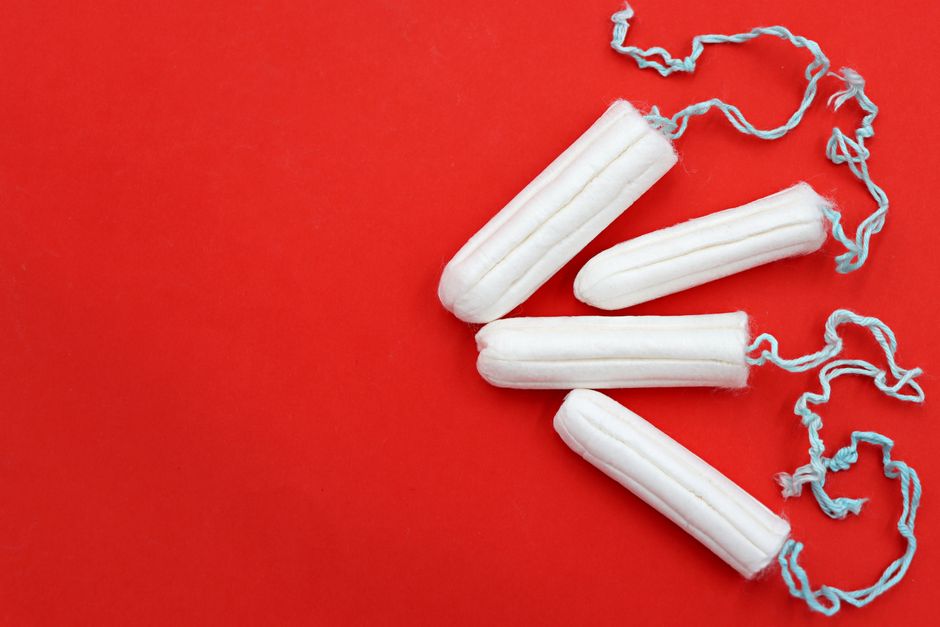
Yes, you can swim without a tampon. Nothing about being in the water requires one. If you are menstruating, you can swim with a menstrual cup, period-proof swimwear, or a pad designed for swimming. You can also swim with no product at all if you accept that blood will enter the water. The only real question is what you want to happen when you get out.
What you cannot safely do is wear a regular pad or a panty liner into the pool. Those products absorb water, swell up, and stop working. They also shed material into the water. That is the one combination worth avoiding.
Can You Swim Without A Tampon on Your Period?
Yes. There is no medical rule that says you must use a tampon to enter water while menstruating.
Menstrual blood flow does not stop when you get into a pool, lake, or ocean. That is a common myth worth correcting directly. Water pressure and cold temperature can make flow feel slower, and gravity changes how blood leaves the body when you are horizontal or submerged. But blood is still being released. Some of it may enter the water. Most of it stays near the vaginal opening until you stand up.
This is why people who swim without a tampon often notice a small amount of blood when they leave the pool. It is not a sign that something went wrong. It is just how the body works.
Public pools are chlorinated and treated specifically to handle bodily fluids, including small amounts of blood. The health risk to other swimmers from menstrual blood in a properly maintained pool is considered very low. Bloodborne pathogens of concern, such as HIV and hepatitis B and C, do not survive well in chlorinated water. This is well established in public health guidance.
Lakes, oceans, and other natural bodies of water are not chlorinated. The risk picture there is different, but it is not specific to menstruation. Any open water carries its own risks for any swimmer.
What Can You Use Instead of a Tampon for Swimming?
Several products work for swimming without a tampon. They differ in how they work, how long they can stay in, and what they cost.
Menstrual cups are reusable silicone cups that sit inside the vagina and collect blood. They can be worn for up to 12 hours depending on the manufacturer’s instructions, which makes them practical for swimming. They do not absorb pool water because they collect rather than absorb. Some people find them awkward to insert at first. That is a learning curve, not a safety issue.
Period-proof swimwear has an absorbent, leak-resistant layer built into the gusset. It works for light to moderate flow and is designed specifically for water. It will not hold up to a heavy flow day the way an internal product will. Check the manufacturer’s guidance on how long a single pair can be worn, because brands differ.
Menstrual discs are similar in concept to cups but sit higher in the vagina, near the cervix. Some people find them more comfortable. They are less widely studied than cups, and fit varies a lot between individuals.
Nothing at all is also an option. If your flow is light, or if you are swimming somewhere private, or if you simply do not mind, you can swim with no product. Many people do this at the beginning or end of their period.
Why Regular Pads and Liners Do Not Work in Water
A standard pad is built to absorb liquid. That is the entire design. In a pool, it absorbs pool water first and quickly becomes saturated, heavy, and useless for its actual purpose.
A saturated pad also loses adhesion. It can shift, bunch, or come loose entirely. The absorbent material can break apart and shed fibers into the water. This is not a hygiene concern for other swimmers in a chlorinated pool, but it is unpleasant and it defeats the point of wearing the pad.
Panty liners behave the same way. So do period underwear not designed for swimming. The absorbent layers in regular period underwear are meant to hold menstrual fluid, not to sit submerged in chlorinated water for an hour.
If you have no internal product and no swim-specific period wear, your realistic options are to swim without protection and manage the aftermath, or to skip swimming that day. There is no workaround that makes a regular pad function in water.



Is It Sanitary to Swim on Your Period Without a Tampon?
For other swimmers in a treated pool, yes. The chlorine and filtration systems in public pools are designed to handle small amounts of blood and other bodily fluids.
The bigger sanitary issue in pools is not menstrual blood. It is fecal contamination, which is the leading cause of pool-related illness outbreaks. That is a well-documented pattern in public health surveillance. Menstrual blood is not a major driver of pool-related illness.
For you personally, the main considerations are comfort and cleanup. You may want to shower afterward. You may want to bring a spare pair of underwear or swimwear. None of this is a health requirement. It is practical planning.
Open water is a different setting. Lakes and oceans are not treated. But the risk to you from your own menstrual blood in open water is not a recognized concern. The general risks of open water swimming, such as water quality advisories and currents, apply to everyone regardless of menstruation.
What About Swimming Pools That Require Tampons?
Some pools, particularly in certain countries, have historically posted rules requiring women to use tampons or to avoid swimming during their period. These rules are not based on medical evidence about menstrual blood.
They are often based on cultural norms or outdated assumptions about hygiene. In the United States, most public pools do not have such rules. If you encounter one, it is a facility policy, not a health requirement.
If a pool does have a policy, you have options. You can use a cup, disc, or period swimwear and comply without a tampon. You can ask the facility what the rule actually says. Or you can swim elsewhere. What you should not conclude is that swimming without a tampon is unsafe. The evidence does not support that.
How Do You Manage Leaks and Cleanup After Swimming?
Plan for a small amount of blood when you get out of the water. This is normal and expected.
- Bring a dark towel or a spare wrap to sit on.
- Pack a spare pair of underwear or a fresh swimsuit.
- Rinse off in the shower after swimming.
- If you use a cup or disc, empty and rinse it according to the manufacturer’s instructions.
- If you use period swimwear, rinse it in cold water before washing as directed.
Timing matters more than most people realize. Flow tends to be heaviest on the first day or two of a period and lighter later. If you are planning a swim and want to avoid leaks entirely, the later days of your period are usually easier. That is a practical observation, not a rule.
If you are worried about visible blood in the water, know that a small amount disperses quickly in a large pool and is not visible to other swimmers. In a small home pool or hot tub, it may be more noticeable. Use your judgment about the setting.
The Bottom Line
Swimming without a tampon is a normal, safe choice for most people. Menstrual cups, discs, period swimwear, and swimming with no product all work. Regular pads and liners do not. The main thing to avoid is expecting a product designed for dry land to function in water.
If you have a medical condition that affects your period, such as heavy bleeding or a bleeding disorder, talk to a clinician about what works for you. That is not a swimming question. It is a health question, and it deserves a real answer from someone who knows your history.
Frequently Asked Questions
Can you swim without a tampon on your period?
Yes. You can swim with a menstrual cup, period swimwear, or no product at all. A regular pad or liner will not work in water.
Does your period stop when you get in the pool?
No. Menstrual flow continues in water. Water pressure and temperature can change how it feels, but blood is still being released.
Is it gross to swim on your period without a tampon?
No. A small amount of blood may enter the water, and chlorinated pools are designed to handle that. It is not a health risk to other swimmers.
Can you wear a pad in the pool?
No. Regular pads and liners absorb pool water, swell up, and stop working. They can also come loose and shed material into the water.
