
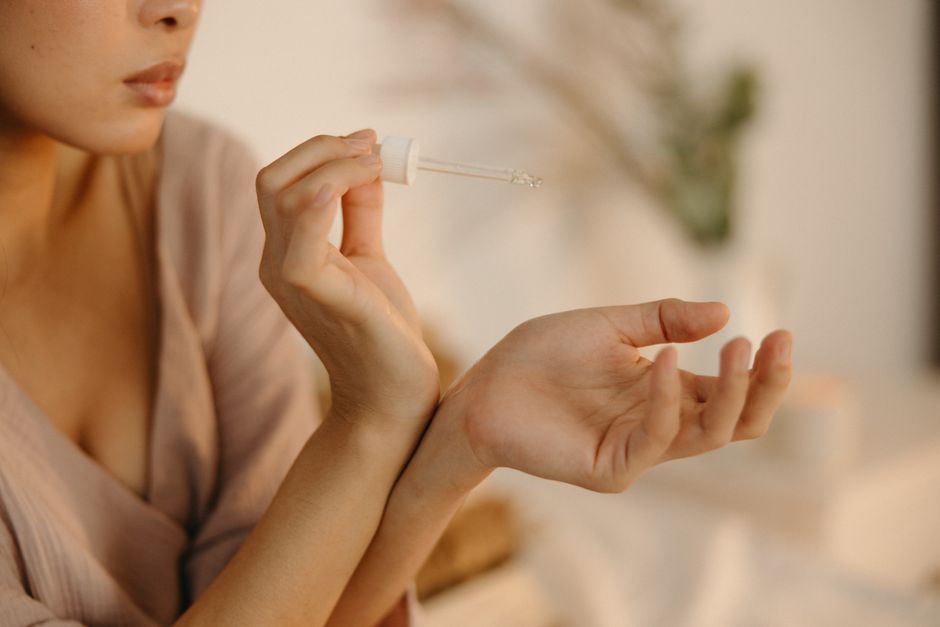
The integumentary system is your body’s largest organ system. It includes your skin, hair, nails, and the glands that sit within your skin. Keeping it healthy comes down to a few well-established basics: protect it from sun damage, keep it clean without over-washing, support it with good nutrition and hydration, and watch for changes that need a doctor’s attention. Unlike many health topics, the core advice here rests on strong evidence and decades of dermatology research.
What Does the Integumentary System Actually Do?
Most people think of skin as a covering. It is far more than that. The integumentary system is an active barrier that separates your internal environment from the outside world, and it performs several jobs at once.
The skin blocks pathogens, chemicals, and physical damage. It regulates body temperature through sweating and blood flow near the surface. It helps synthesize vitamin D when exposed to sunlight. It contains nerve endings that give you the sense of touch, pressure, temperature, and pain. And it holds water in, preventing the constant loss of fluid that would otherwise occur.
Hair and nails are made largely of keratin, the same tough protein found in skin. Hair helps with insulation and sensation. Nails protect the sensitive tips of your fingers and toes and assist with fine tasks.
When the skin’s barrier is compromised — by a burn, a rash, or a wound — the body loses some of this protection. That is why skin care is not cosmetic. It is a genuine health matter.
How To Keep The Integumentary System Healthy Through Daily Skin Care
The single most important thing you can do for your skin is protect it from the sun. Ultraviolet radiation damages skin cell DNA and is the main environmental driver of skin cancer and premature skin aging. This is one of the most firmly established findings in dermatology.
Practical sun protection includes seeking shade during the middle of the day, wearing clothing that covers your arms and legs, and using a broad-spectrum sunscreen on exposed skin. Broad-spectrum means it blocks both UVA and UVB rays. The American Academy of Dermatology recommends a sunscreen with an SPF of 30 or higher, reapplied roughly every two hours when you are outdoors, and more often if you are swimming or sweating. These figures come from established dermatology guidance.
Cleansing matters too, but more is not better. Harsh soaps and frequent hot showers can strip the skin of its natural oils and disrupt the barrier. A gentle cleanser and lukewarm water are enough for most people. Moisturizing after bathing helps lock in water, especially for people with dry skin.
A non-obvious point: your skin’s barrier is slightly acidic, and this acidity helps suppress harmful microbes. Very alkaline cleansers can raise that surface pH temporarily. This is why dermatologists often favor gentle, pH-balanced cleansers over strong deodorant soaps for routine use.
Does Diet and Hydration Really Affect Your Skin?
Nutrition supports skin structure, though the effects are slower and subtler than marketing suggests. The skin constantly rebuilds itself, and that process needs raw materials.
Protein provides the amino acids used to build collagen and keratin. Vitamin C is required for collagen synthesis — this is well established, and severe deficiency causes scurvy, with its characteristic skin and gum problems. Vitamin A, zinc, and several B vitamins also play documented roles in skin maintenance.
Water intake matters for overall health, but the popular claim that drinking extra water “flushes” or dramatically improves skin is not strongly supported. The body regulates hydration carefully. If you are adequately hydrated by normal standards, drinking more water has not been shown in large studies to transform skin appearance. Some research suggests a modest effect on skin hydration and elasticity, but the evidence is limited.
What you eat may matter for some skin conditions. Some studies suggest that high-glycemic diets — lots of refined sugars and starches — may worsen acne in some people. The evidence here is mixed and not conclusive. No single food reliably clears or causes acne in everyone.
The honest position: a balanced diet with adequate protein, fruits, vegetables, and healthy fats supports skin health as part of general nutrition. No supplement or food has been shown to reliably reverse aging or cure skin disease.





How Do Smoking and Alcohol Affect Your Skin?
Smoking measurably harms skin. It narrows blood vessels, reducing oxygen and nutrients reaching skin tissue. It also damages collagen and elastin, the fibers that keep skin firm. Research consistently shows that smokers develop more facial wrinkles earlier than non-smokers. Quitting is one of the more effective things a person can do for long-term skin health.
Alcohol’s effects are less dramatic but real. Heavy drinking is associated with dehydration and can worsen certain skin conditions. The evidence on moderate drinking and skin aging is weaker and less clear. The general point stands: habits that strain the body overall tend to show up in the skin.
Sleep is another factor. During sleep, the body repairs tissue, including skin. Chronic poor sleep is associated with duller skin and slower healing, though the research is still developing. The mechanism is plausible and partly supported, but the effects are not as precisely measured as those of sun exposure or smoking.
How Should You Care for Hair and Nails?
Hair and nails are part of the integumentary system, and they reflect your general health. Changes in them can sometimes signal an underlying problem.
For hair, avoid tight hairstyles that pull on the roots, which can cause traction-related hair loss over time. Limit harsh chemical treatments and excessive heat. Wash according to your scalp’s needs — there is no universal rule, and washing frequency depends on hair type and oiliness.
For nails, keep them trimmed and clean. Avoid using them as tools, which can cause splitting. Nail changes worth noting include:
- Deep grooves or ridges that appear suddenly
- Discoloration that does not grow out
- A dark streak under a nail that widens over time
- Separation of the nail from the nail bed
These can have many causes, from injury to infection to other conditions. A dark streak that widens is the one to have checked promptly, because it can occasionally indicate a serious problem. Do not assume a cause on your own — let a clinician evaluate it.
When Should You See a Doctor About Your Skin?
Most skin changes are harmless. Some are not, and knowing the difference matters. The general guidance from dermatology is to check your skin regularly and watch for new or changing spots.
A widely taught approach for evaluating moles uses the letters ABCDE:
- Asymmetry — one half does not match the other
- Border — edges that are irregular, ragged, or blurred
- Color — uneven color, or multiple colors in one spot
- Diameter — larger than a pencil eraser, though some cancers are smaller
- Evolving — any change in size, shape, color, or symptoms like itching or bleeding
These are general warning signs, not a diagnosis. Any spot that is new, changing, or does not heal should be evaluated. So should a sore that fails to heal, unexplained rashes, or skin that becomes suddenly very sensitive.
People with many moles, a personal or family history of skin cancer, or a history of significant sun exposure may benefit from periodic professional skin exams. Ask a clinician what schedule fits your situation — recommendations vary by individual risk.
What Habits Protect the Skin Barrier Over Time?
A few consistent habits do most of the work. None of them are exotic, and none require expensive products.
Protect from the sun daily, not just at the beach. Ultraviolet exposure accumulates over a lifetime, and everyday exposure adds up. Moisturize if your skin is dry. Avoid smoking. Eat reasonably well and stay adequately hydrated. Get enough sleep. Treat skin gently rather than aggressively.
Be skeptical of dramatic claims. Products marketed as “detoxifying” or “reversing aging” rarely have strong evidence behind them. The skin does not need to be “detoxified” — the liver and kidneys handle that. What skin needs is protection, moisture, and gentle care.
Finally, pay attention. Your skin is visible and accessible, which means changes are often noticeable early. Regular self-checks and prompt attention to anything unusual are among the most practical habits you can build.
Frequently Asked Questions
What is the integumentary system made of?
It includes the skin, hair, nails, and the glands within the skin, such as sweat and oil glands. Together these form the body’s largest organ system.
Does drinking water improve skin health?
Staying adequately hydrated supports overall health, but extra water beyond normal needs has not been shown in large studies to dramatically improve skin. Some research suggests a modest effect, but the evidence is limited.
How often should I check my skin for changes?
Many clinicians suggest a monthly self-exam, though no single schedule is proven best for everyone. Ask a doctor what frequency fits your personal risk.
Can diet clear up acne?
No single food reliably clears acne in everyone, though some studies suggest high-glycemic diets may worsen it in some people. The evidence is mixed, and acne usually needs other treatment.
