
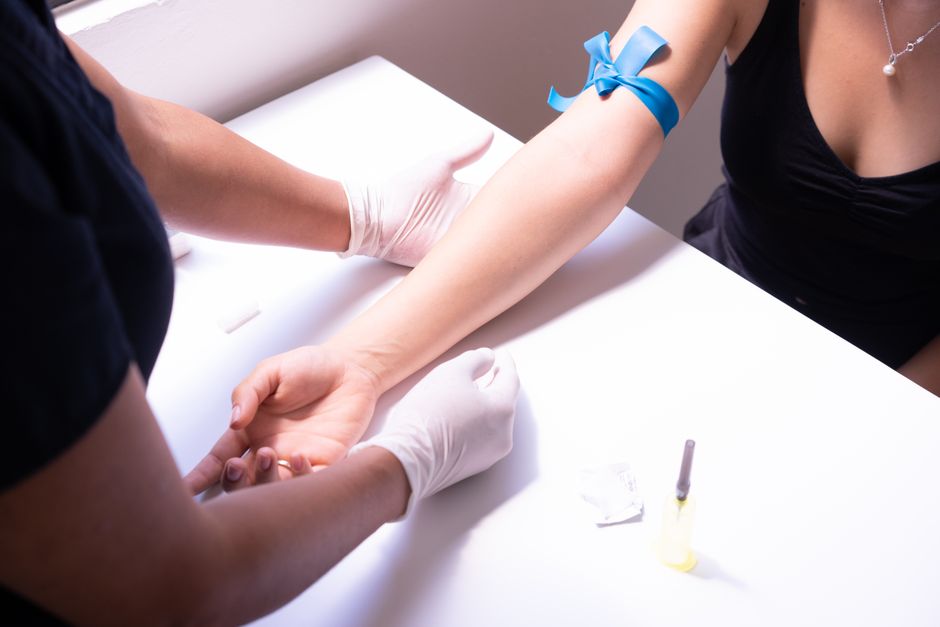
A fasting blood test requires you to avoid food and drink for a specific period before your blood is drawn. For most standard fasting blood tests, the required fast is 8 to 12 hours. You may drink plain water during this time. Your healthcare provider will tell you the exact duration based on the specific tests being ordered.
Why Do Some Blood Tests Require Fasting?
Your body absorbs nutrients from food into your bloodstream. This absorption temporarily changes the levels of certain substances in your blood. A fasting sample gives your doctor a baseline reading that is not influenced by a recent meal.
For example, eating raises your blood sugar and triglyceride levels. If a doctor tests these without fasting, the results will reflect your last meal rather than your body’s usual state. Fasting removes this variable so results are easier to interpret.
Not every blood test requires fasting. Many tests, such as a complete blood count (CBC), are not affected by food intake. Your doctor will specify which tests need fasting and which do not.
How Long Is A Fast For Blood Test?
The standard fasting window is 8 to 12 hours. The exact length depends on the test. A basic metabolic panel or lipid panel typically requires 8 to 12 hours of fasting. A fasting blood glucose test usually requires at least 8 hours.
Some tests, like a fasting lipid profile, may require a full 12-hour fast. Your doctor’s office will tell you the exact time. If you are unsure, a 12-hour fast is generally safe for most standard fasting tests, but always follow your specific instructions.
Fasting longer than 12 hours is not usually necessary and can affect results. Extended fasting can alter hydration levels and certain hormone concentrations. Stick to the window your provider gives you.
What Can You Consume During the Fast?
Plain water is allowed during a fast for blood work. It keeps you hydrated and makes your veins easier to find. Do not add anything to the water.
You should avoid all other beverages. This includes coffee, tea, juice, soda, and alcohol. Black coffee and unsweetened tea can affect test results even without calories. Some research suggests caffeine can influence blood sugar and lipid levels.
Do not chew gum or eat hard candy. Even sugar-free products can contain ingredients that alter your metabolism. No food of any kind is permitted during the fasting window.
Smoking and vaping should also be avoided during the fast. Nicotine can affect blood sugar and other metabolic markers. If you use nicotine products, ask your doctor whether this applies to your specific tests.
What About Medications During a Fast?
Most prescription medications should be taken as usual on the day of your blood test. Taking your regular medications with a small sip of water is generally acceptable. Do not skip prescribed medications without speaking to your doctor first.
Some medications specifically require fasting. Thyroid medication, for example, is often taken on an empty stomach. Your doctor will give you specific instructions about your medications before the test.
Over-the-counter supplements and vitamins may also need to be paused. Certain supplements, like biotin, can interfere with lab results. Tell your doctor about every supplement you take, including vitamins and herbal products.
If you have diabetes and take medication that lowers blood sugar, discuss your fasting instructions carefully. Your doctor may adjust your medication timing to prevent hypoglycemia during the fast.
What Is the Best Time to Schedule a Fasting Blood Test?
Schedule your fasting blood test for the morning. This makes the fast easier because most of it happens while you sleep. If you stop eating after dinner, you can typically have your blood drawn early the next morning.
For an 8-hour fast, finish your last meal by midnight before a morning test. For a 12-hour fast, finish dinner by 8 PM. This schedule allows you to complete the fast without going hungry during your waking hours.
If you must have the test later in the day, plan your fasting window accordingly. You will need to skip breakfast and possibly lunch. This is harder for most people and can cause discomfort or lightheadedness.
Bring a snack with you to the appointment. You can eat immediately after your blood is drawn. This helps prevent dizziness and restores your energy quickly.
What Happens If You Forget to Fast?
If you accidentally eat or drink something during your fasting window, tell the phlebotomist or your doctor. Do not hide it. The test results may be inaccurate, and your doctor needs this information to interpret them correctly.
In most cases, your appointment will be rescheduled. Eating invalidates the fasting requirement for certain tests. The lab cannot produce reliable results from a contaminated sample.
Some tests are more forgiving than others. A small sip of water is unlikely to affect most results. A meal, however, will significantly alter glucose and lipid readings. When in doubt, ask your doctor whether your test is still valid.
Do not try to “make up” for eating by fasting longer before the rescheduled test. This does not improve accuracy. Just follow the same 8 to 12 hour protocol for your new appointment.
Does Age or Pregnancy Change the Fasting Requirement?
Children may have shorter fasting requirements for certain tests. Some pediatric protocols use a shorter window to reduce discomfort. Your child’s doctor will provide specific instructions based on the test and the child’s age.
Pregnant women often need fasting blood tests for gestational diabetes screening. The standard fasting period for this test is typically 8 to 14 hours. Your obstetrician will give you exact instructions.
Older adults generally follow the same fasting guidelines as younger adults. However, they may be more prone to dehydration or lightheadedness during a fast. Drinking water and resting before the blood draw can help.
No clinical guidelines currently exist for shortening fasting times based on age alone. The 8 to 12 hour standard applies broadly across adult populations unless your doctor specifies otherwise.
Can You Drink Water Before a Fasting Blood Test?
Yes, plain water is encouraged before a fasting blood test. Staying hydrated helps maintain your blood volume, making the draw easier. Dehydration can make veins harder to locate and can concentrate certain blood components.
Drink water normally throughout your fast. There is no need to drink excessive amounts. One or two glasses before your appointment is sufficient.
Avoid sparkling water with added flavors or sweeteners. Stick to plain still water. Any additive could potentially interfere with lab analysis.
Water does not break your fast for blood testing purposes. It contains no calories and does not trigger the metabolic changes that food and other beverages cause.
What Tests Typically Require Fasting?
Fasting is most commonly required for tests that measure metabolic markers. These include fasting blood glucose, lipid panels, and certain basic metabolic panels. Each test has its own fasting requirement.
- Fasting blood glucose: 8 hours
- Lipid panel (cholesterol): 9 to 12 hours
- Basic metabolic panel: 8 to 12 hours
- Iron panel: 12 hours
Some tests do not require fasting. A complete blood count, kidney function tests, and liver function tests are often done without fasting. Your doctor will clarify which tests you are having.
Newer research has questioned whether fasting is strictly necessary for lipid panels. Some studies suggest non-fasting lipid tests may be acceptable for certain patients. However, most clinical guidelines still recommend fasting for accurate triglyceride measurement.
What Are the Risks of Fasting for Blood Work?
Fasting for 8 to 12 hours is generally safe for healthy adults. Most people tolerate it without difficulty. The main risks are mild discomfort, hunger, and lightheadedness.
People with diabetes face a higher risk. Skipping meals while taking certain medications can cause blood sugar to drop dangerously low. If you have diabetes, discuss your fasting plan with your doctor in advance.
Pregnant women may experience nausea or dizziness during a fast. If you feel unwell, contact your healthcare provider. They may adjust the testing schedule or take other precautions.
If you feel faint or severely hungry during your fast, sit down and drink water. Do not drive if you feel lightheaded. Contact your doctor’s office for guidance.
Frequently Asked Questions
Can I drink coffee during a fasting blood test?
No, coffee is not allowed during a fasting blood test. Even black coffee can affect blood sugar and lipid measurements.
How many hours should I fast for a cholesterol test?
Most cholesterol tests require a 9 to 12 hour fast. Your doctor will confirm the exact time needed for your specific lipid panel.
Can I take my medications while fasting for blood work?
Most prescription medications should be taken as usual with a small sip of water. Ask your doctor about specific medications, especially diabetes drugs and supplements.
What happens if I eat during my fasting period?
Inform your doctor or the lab staff immediately. Your appointment will likely be rescheduled because the test results would be inaccurate.
