
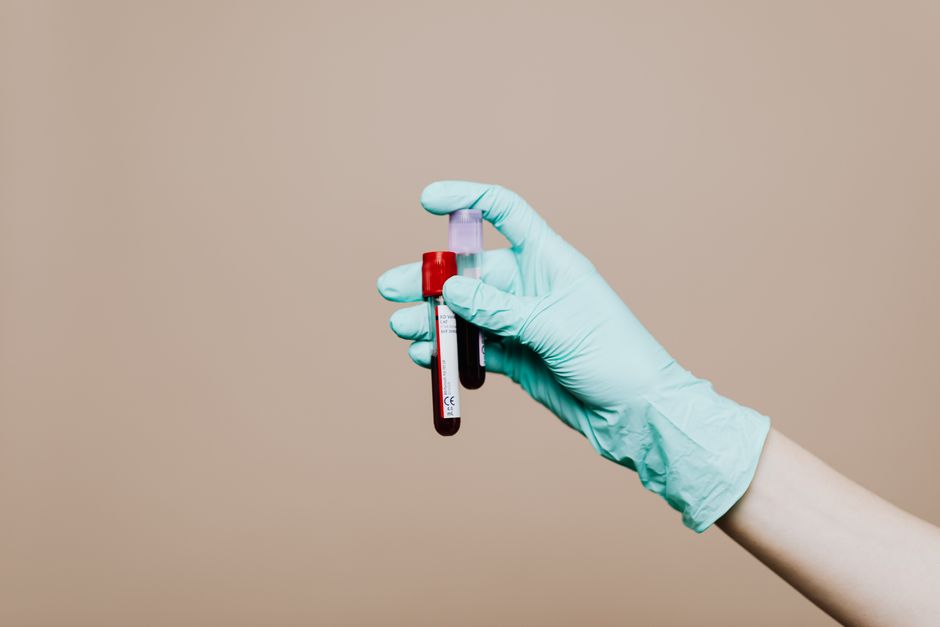
A tuberculosis (TB) blood test checks your immune system’s response to the bacteria that cause TB. It is not a test for active disease. It tells you if your immune system has ever been exposed to the bacteria. Doctors call this a TB infection, which may be latent or active. The blood test is one of two main ways to screen for TB, alongside the skin test. It is a simple blood draw that measures how your white blood cells react to specific TB proteins.
What Is A Tb Blood Test Types Results Who Should Get One
A TB blood test is a medical screening tool. It looks for an immune response to Mycobacterium tuberculosis. The test measures the release of a chemical called interferon-gamma when your blood is mixed with TB proteins. If your immune system recognizes those proteins, it means you have been infected with the TB bacteria at some point.
The test does not tell you if the infection is active or latent. Active TB makes you sick and can spread to others. Latent TB is a dormant infection with no symptoms. People with latent TB cannot spread it, but it can become active later. A positive blood test requires further testing, like a chest X-ray, to determine if you have active disease.
What Are The Types Of TB Blood Tests?
There are two approved types of TB blood tests. Both are known as interferon-gamma release assays, or IGRAs. They work on the same principle but use different methods and specific proteins.
The first is QuantiFERON-TB Gold Plus. It is the most widely used IGRA in the United States. The second is T-SPOT.TB. Both are considered accurate and reliable. Your doctor chooses based on lab availability and cost.
Both tests require a fresh blood sample. The blood must be processed quickly, usually within hours. This is different from a skin test, which requires a return visit to read the result. Blood test results are typically available within 24 hours.
How Do TB Blood Test Results Work?
Results come back as positive, negative, or indeterminate. A positive result means you have been infected with TB bacteria. It does not mean you have active TB or that you are contagious. It means your immune system has responded to the bacteria at some point.
A negative result means no immune response was detected. This usually means you are not infected. However, a negative result can occur if you were infected very recently. The immune system takes time to develop a detectable response, often several weeks.
An indeterminate result means the test could not give a clear answer. This can happen if your immune system is weakened or if there was a lab processing issue. Your doctor may repeat the test or use a different screening method.

TB Blood Test vs TB Skin Test: Which Is Better?
The TB skin test, called the Mantoux test, has been used for over a century. A small amount of TB protein is injected under the skin. You return in 48 to 72 hours to have the site checked. A raised, hard bump indicates a positive result.
Blood tests have several advantages over skin tests. They require only one visit. Results are not affected by prior vaccination with BCG, a TB vaccine commonly given in other countries. Skin tests can produce false positives in people who received the BCG vaccine.
Blood tests are preferred for people who are unlikely to return for the skin test reading. They are also preferred for people who have received the BCG vaccine. However, skin tests are still used widely, especially in children under five, where blood tests have less validation.
Neither test can distinguish between latent and active TB. Both require follow-up imaging and clinical evaluation if positive.
Who Should Get A TB Blood Test?
TB screening is recommended for people with higher exposure risk or medical conditions that increase risk. Screening is not recommended for everyone. The general public with no risk factors does not need routine TB testing.
You should get tested if you have spent time with someone who has active TB. You should also get tested if you were born in or traveled to a country with high TB rates. These countries include parts of Asia, Africa, Eastern Europe, and Latin America.
People who work or live in high-risk settings should also be tested. This includes healthcare workers, prison staff and inmates, and people living in homeless shelters. People with HIV, organ transplants, or other conditions that weaken the immune system should get tested.
People who inject drugs or who are on certain medications that suppress the immune system should also be screened. These medications include long-term corticosteroids and drugs used for autoimmune conditions like rheumatoid arthritis or inflammatory bowel disease.
What Happens After A Positive TB Blood Test?
A positive blood test is not a diagnosis of active TB. It is a signal that further evaluation is needed. Your doctor will order a chest X-ray and a physical exam. They will ask about symptoms like a persistent cough, fever, night sweats, and weight loss.
If the chest X-ray is normal and you have no symptoms, you have latent TB infection. This is not contagious. But treatment is often recommended to prevent the infection from becoming active later. The risk of reactivation is highest in the first two years after infection.
If the chest X-ray shows abnormalities or you have symptoms, your doctor will collect a sputum sample. This mucus sample is tested for the presence of live TB bacteria. This confirms active TB disease, which requires a longer, more complex treatment regimen.
Treatment for latent TB usually involves one or more medications taken for several months. Common regimens include isoniazid alone or isoniazid with rifapentine. The shorter regimens, like a three-month course, are often preferred because people are more likely to complete them.
Are TB Blood Tests Accurate?
TB blood tests are highly accurate for detecting TB infection. Research consistently shows they have high sensitivity and specificity. However, no test is perfect.
False positives can occur. This happens when the test reacts to something other than TB bacteria. It is rare but possible. False negatives can also occur, particularly in people with severely weakened immune systems, such as those with advanced HIV.
The tests cannot tell you when you were infected. A positive result could be from an infection last year or twenty years ago. This is why doctors ask about exposure history and symptoms, not just the test result.
Can You Test Negative And Still Have TB?
Yes, though it is uncommon. This is called a false negative result. It can happen in the first weeks after exposure, before your immune system has had time to react. If you were just exposed, your doctor may recommend repeating the test after eight to ten weeks.
People with severe immune suppression may also produce false negatives. Their immune systems may not respond strongly enough to the test proteins. If your doctor still suspects TB despite a negative result, they may order additional tests based on your symptoms and exposure history.
Is A TB Blood Test Safe?
Yes. The test only requires a standard blood draw. Risks are minimal and include slight pain, bruising, or bleeding at the needle site. Fainting during the blood draw is possible but uncommon.
Unlike the skin test, the blood test does not introduce any foreign substance into your body. There is no risk of a skin reaction or developing a reaction to the test itself. There are no serious side effects associated with TB blood tests.
Frequently Asked Questions
How long does it take to get TB blood test results?
Results are usually available within 24 hours. The lab must process the blood sample quickly, often within a few hours of collection.
Do I need to fast before a TB blood test?
No. You do not need to fast or make any special preparations before a TB blood test.
Can a TB blood test tell the difference between latent and active TB?
No. The blood test only detects infection, not whether it is active. A chest X-ray and symptom review are needed to tell the difference.
How often should healthcare workers get a TB test?
Most healthcare facilities require annual TB screening. The exact frequency depends on your workplace policy and local health regulations.
