
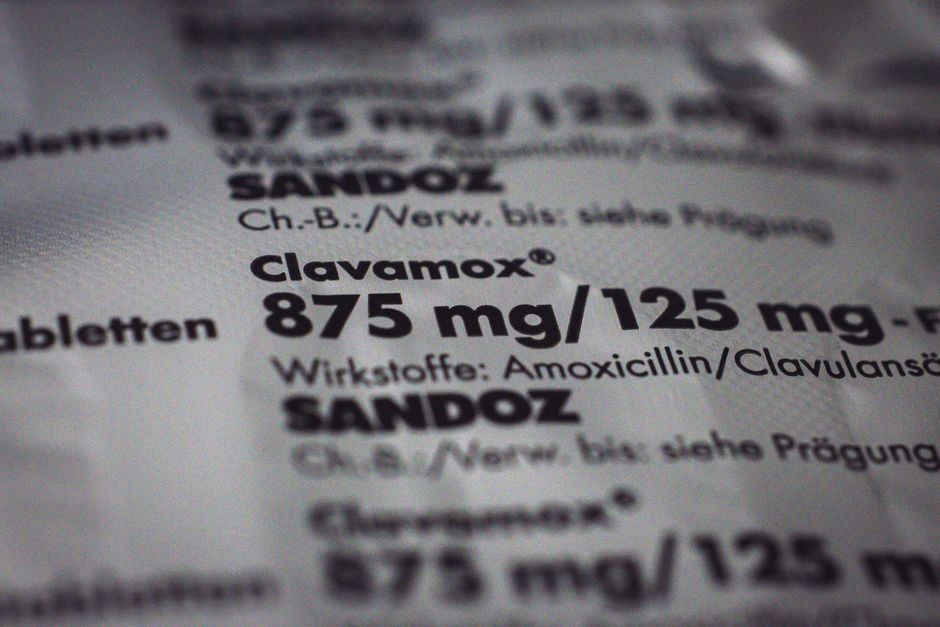
Amoxicillin is typically good for 10 to 14 days from the date it is dispensed when stored properly, though the exact expiration date is printed on your prescription bottle. The liquid form expires much faster — usually within 14 days once mixed by the pharmacist — while capsules and tablets remain stable until the printed expiration date, which is often one to two years from manufacture. Do not rely on visual inspection; expired amoxicillin may lose potency and fail to clear an infection, and degraded medication can sometimes cause unexpected side effects.
Does the Expiration Date on Amoxicillin Really Matter?
Yes, it matters for antibiotics specifically. Research published in the Journal of Pharmaceutical Sciences shows that most solid medications retain about 90% of their potency for several years past the expiration date when stored correctly. However, amoxicillin is different. The FDA requires drug manufacturers to guarantee full potency only through the printed expiration date. After that, the drug may still work but there is no guarantee.
The bigger concern with amoxicillin is safety. When amoxicillin degrades, it can break down into compounds that are not well studied. The main degradation product is amoxicilloic acid. Some animal studies suggest this compound may cause kidney damage at high doses. This is rare but the risk is not zero. For a drug you take to fight an infection, the safest choice is to use it before the expiration date.
The CDC warns against using expired antibiotics for serious infections. If you have a mild infection and the only option is expired amoxicillin, the risk of the infection getting worse is higher than the risk of taking the expired drug. But this is a judgment call for a doctor to make, not something you should decide on your own.
How Long Is Liquid Amoxicillin Good For After Mixing?
Liquid amoxicillin is only good for 14 days after the pharmacist mixes it. This is not a suggestion. The FDA mandates this because the liquid suspension is unstable. After 14 days, the drug breaks down quickly and may not work at all.
If you have leftover liquid amoxicillin from a previous prescription, throw it away. Do not save it for future use. The liquid form is especially prone to bacterial growth once opened, even if refrigerated. The CDC reports that contaminated liquid antibiotics have caused cases of diarrhea and stomach infections.
Store liquid amoxicillin in the refrigerator between 36°F and 46°F. Do not freeze it. Freezing changes the chemical structure and destroys the medication. If you accidentally leave it out at room temperature for more than a few hours, check with your pharmacist. In most cases, they will recommend replacing it.
What Happens If You Take Expired Amoxicillin?
Taking expired amoxicillin usually does not cause harm, but it may not treat your infection. The main risk is treatment failure. If the drug has lost potency, the bacteria survive and your infection continues. This can lead to a worse infection or antibiotic resistance.
Antibiotic resistance is a serious public health problem. When you take a weak dose of amoxicillin, the strongest bacteria survive and multiply. The next time you need the drug, it may not work at all. The CDC estimates that at least 2.8 million antibiotic-resistant infections occur in the United States each year.
There have been a few case reports of kidney problems linked to expired tetracycline antibiotics, but not specifically to expired amoxicillin. Still, the lack of reports does not mean the risk is zero. The safest practice is to check the date and ask your pharmacist if you are unsure.





How to Store Amoxicillin to Make It Last
Store capsules and tablets at room temperature below 77°F. Keep them away from heat, moisture, and direct sunlight. The bathroom medicine cabinet is a bad choice because of humidity. A bedroom drawer or a kitchen cabinet away from the stove works better.
Keep amoxicillin in its original container. The bottle protects the drug from light and moisture. Do not transfer pills to a different bottle or a pill organizer for long-term storage. The original container has a desiccant pack that absorbs moisture. Do not remove that small packet.
For liquid amoxicillin, refrigeration is required. Do not leave it in a car, even for a short trip. Cars can reach 130°F in summer, which destroys the medication. If you travel, use a small cooler with an ice pack.
| Storage Condition | Capsules/Tablets | Liquid Suspension |
|---|---|---|
| Temperature range | Below 77°F (25°C) | 36°F to 46°F (2°C to 8°C) |
| Good for | Until expiration date (1-2 years) | 14 days after mixing |
| Freezer safe? | No | No |
| Light sensitive? | Yes | Yes |
| Humidity risk | High | Moderate |
Can You Safely Use Amoxicillin Past the Expiration Date?
The short answer is no, not for treating an active infection. The FDA and the American Medical Association both advise against using expired antibiotics. The longer answer is more complicated. The Shelf Life Extension Program run by the U.S. military has tested stockpiled medications and found that many solid drugs remain potent for years past their expiration dates. But amoxicillin was not part of this program.
A study in the journal Antimicrobial Agents and Chemotherapy tested amoxicillin tablets stored for up to 10 years. The researchers found that most tablets retained over 90% potency for at least 5 years. However, this study was small — only three batches of one brand were tested. The results may not apply to generic versions or to tablets stored in different conditions.
Some people report using expired amoxicillin without problems. This is anecdotal evidence. It is not reliable. The risk of treatment failure is real and the consequences of antibiotic resistance affect everyone. If you have an infection, get a fresh prescription.
Why You Should Never Share Amoxicillin or Save It for Later
Amoxicillin is a prescription drug for a reason. Different infections require different doses and different lengths of treatment. Taking leftover amoxicillin for a sore throat when the cause is viral does nothing and contributes to resistance. The CDC reports that about 30% of antibiotic prescriptions in the U.S. are unnecessary.
If you finish a course of amoxicillin and have pills left over, do not save them. The prescription was written for a specific infection at a specific dose. Taking partial doses later for a different infection is dangerous. You may not take enough to kill the bacteria, which promotes resistance.
Dispose of leftover amoxicillin properly. The FDA recommends using a drug take-back program. Many pharmacies and police stations have collection boxes. If no take-back program is available, mix the pills with coffee grounds or cat litter in a sealed bag and throw it in the household trash. Do not flush amoxicillin down the toilet unless the label specifically says to do so. Flushing can contaminate water supplies.
Common Misconceptions About Amoxicillin Expiration
One common myth is that you can tell if amoxicillin is still good by looking at it. This is false. Amoxicillin tablets may look fine but have lost potency. The liquid form may look fine but have degraded chemically. Visual inspection is meaningless for this drug.
Another myth is that refrigeration extends the life of tablets. It does not. In fact, refrigeration can introduce moisture when the bottle is opened and warmed up. Moisture accelerates breakdown. Room temperature storage is best for capsules and tablets.
Some people believe that a slightly expired dose is better than no dose. This is not always true. A weak dose can suppress bacteria without killing them, leading to a rebound infection that is harder to treat. If you have an infection, see a doctor. If you cannot get to a doctor, ask a pharmacist for advice. Do not guess.
Frequently Asked Questions
Can I take amoxicillin that expired 6 months ago?
It is not recommended. The drug may have lost potency and may not treat your infection effectively, which can lead to antibiotic resistance.
Does liquid amoxicillin need to be refrigerated?
Yes. Liquid amoxicillin must be stored in the refrigerator between 36°F and 46°F and used within 14 days of mixing.
What happens if I accidentally take expired amoxicillin?
You will likely not experience harm, but the medication may not work. If you have an active infection, contact your doctor for a new prescription.
How can I tell if my amoxicillin has gone bad?
You cannot reliably tell by looking. Check the expiration date on the bottle. For liquid, a strong odor or visible clumps may indicate spoilage, but the 14-day rule is the safest guide.
