
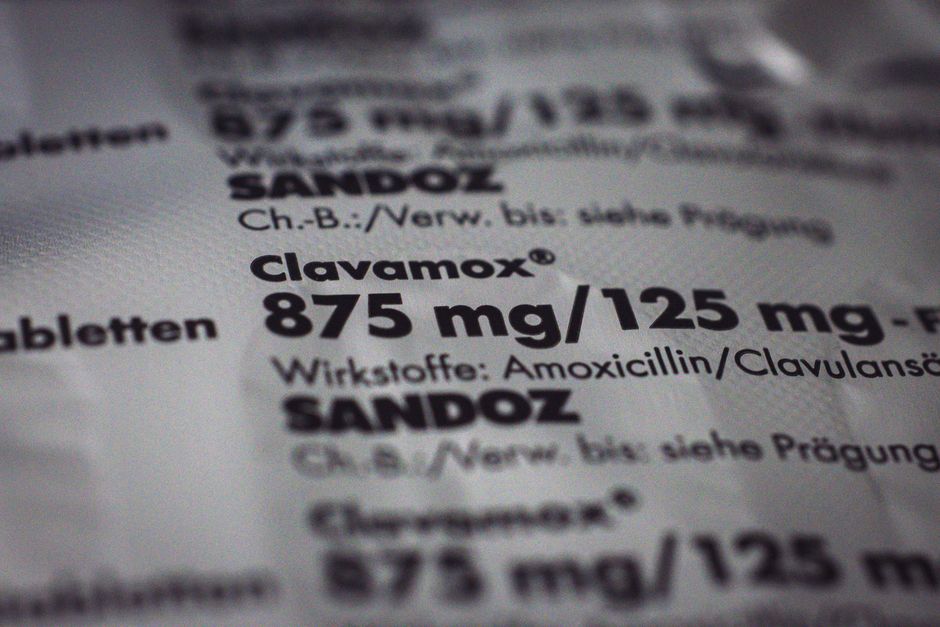
Amoxicillin can go bad, and taking expired amoxicillin is not recommended. The liquid form loses potency quickly, often within 14 days after it is mixed, while capsule and tablet forms may last longer but still degrade after their expiration date. Using expired amoxicillin may not treat the infection properly, which can lead to worse illness or antibiotic resistance.
Does Amoxicillin Expire and Lose Potency?
Yes, amoxicillin does expire. Every bottle or package has an expiration date printed on it by the manufacturer. That date is not just a suggestion. The FDA requires drug makers to test stability and set a date where the drug still has full potency.
Research shows that most solid medications, including amoxicillin capsules and tablets, retain most of their potency for years past the expiration date if stored properly. A 2012 study published in the Archives of Internal Medicine tested 14 expired medications and found that 12 of them still had at least 90% of their active ingredient up to 40 years after expiration. However, amoxicillin is not always in that group. Liquid amoxicillin is far less stable and degrades quickly once mixed with water.
The main risk of taking expired amoxicillin is not toxicity. It is failure. If the drug has lost enough potency, it will not kill the bacteria causing your infection. That leaves you sick longer and can make the bacteria stronger and harder to treat.
How Long Does Liquid Amoxicillin Last After Mixing?
Liquid amoxicillin, which is often prescribed for children, has a very short shelf life after it is mixed by the pharmacist. Once the powder is mixed with water to create a suspension, it must be refrigerated. Most liquid amoxicillin is only good for 14 days after mixing.
Some pharmacies will label it as usable for 10 days. Others use 14 days. The exact timeframe depends on the specific formulation and manufacturer instructions. After that window, the drug breaks down chemically and loses effectiveness. It may also look different — clumpy, discolored, or separated — which is a clear sign it is no longer safe to use.
Never freeze liquid amoxicillin. Freezing can change the chemical structure and make it less effective. Always store it in the refrigerator, not the freezer door where temperatures fluctuate.
Do Amoxicillin Tablets and Capsules Expire Differently?
Tablets and capsules have a much longer shelf life than liquid forms. The expiration date on a bottle of amoxicillin capsules is usually 1 to 2 years from the date of manufacture. But studies suggest these solid forms may remain stable for much longer.
The Shelf Life Extension Program run by the U.S. military has tested stockpiles of medications and found that many drugs, including some antibiotics, remain fully potent for years past their printed expiration date. However, amoxicillin has not always passed these extended stability tests as well as other antibiotics like doxycycline. Some batches of amoxicillin have shown faster degradation.
If you have amoxicillin tablets or capsules that are a few months past the expiration date and have been stored in a cool, dry place away from light, they may still work. But there is no guarantee. The risk is that you take a pill that is only 70% or 80% as strong as it should be. That is not enough to clear an infection.





What Happens If You Take Expired Amoxicillin?
Taking expired amoxicillin is unlikely to poison you. The chemical breakdown products of amoxicillin are generally not toxic at the levels found in expired medication. That is why most cases of expired antibiotic use result in treatment failure, not poisoning.
The real danger is that the infection does not go away. You might feel a little better and then get worse. Or the bacteria may survive the weakened dose and develop resistance. That means the same antibiotic may not work for you in the future.
Some people report stomach upset, diarrhea, or nausea after taking expired amoxicillin. These symptoms are more likely from the drug itself or from bacteria that have grown in a contaminated liquid suspension. If the liquid has been sitting in the fridge for weeks past the 14-day mark, it could be growing mold or bacteria. Never take liquid amoxicillin that looks cloudy, has chunks, or smells off.
How Should You Store Amoxicillin to Keep It Effective?
Storage matters a lot for both liquid and solid amoxicillin. The CDC and FDA both recommend storing amoxicillin capsules and tablets at room temperature, between 68°F and 77°F, in a dry place away from direct sunlight. Bathroom cabinets are a poor choice because humidity and heat from showers can damage the medication.
For liquid amoxicillin, refrigeration is required. Keep it between 36°F and 46°F. Do not leave it out of the fridge for more than a few hours. If you are traveling, use a small cooler with an ice pack. Do not shake the bottle hard before use — gentle swirling is enough to remix the suspension.
| Form | Storage Temperature | Shelf Life | Special Notes |
|---|---|---|---|
| Liquid suspension | 36°F – 46°F (refrigerated) | 14 days after mixing | Do not freeze. Discard after 14 days. |
| Capsules | 68°F – 77°F (room temp) | 1-2 years from manufacture | Keep dry. Avoid bathrooms. |
| Tablets | 68°F – 77°F (room temp) | 1-2 years from manufacture | Keep in original container. Protect from light. |
| Chewable tablets | 68°F – 77°F (room temp) | 1-2 years from manufacture | Check for crumbling or discoloration. |
Can You Use Expired Amoxicillin in an Emergency?
Some people keep leftover antibiotics in case of an emergency, especially when traveling or during a shortage. This is not a good idea for several reasons. First, you may not have the right antibiotic for the infection you have. Amoxicillin treats certain bacterial infections but not all of them. Taking the wrong antibiotic does nothing and can cause side effects.
Second, you need the full prescribed course to clear an infection. Using a few leftover pills from a previous illness usually means taking too low a dose or stopping too early. That is exactly how bacteria become resistant.
The American Medical Association and the CDC both strongly advise against self-prescribing leftover antibiotics. If you suspect you have a bacterial infection, see a doctor. They can confirm the diagnosis and prescribe the correct antibiotic at the right dose and duration. Expired amoxicillin from your cabinet is not a reliable substitute.
Common Misconceptions About Amoxicillin Expiration
A common myth is that all antibiotics are dangerous after they expire. That is not true for amoxicillin tablets and capsules. The risk is not danger — it is reduced effectiveness. The drug simply becomes weaker over time.
Another misconception is that liquid amoxicillin can be frozen to make it last longer. Freezing actually damages the suspension. The drug particles can settle unevenly, and when thawed, the dose you get may not be consistent. Some doses might be too weak, others too strong.
Some people believe that if the amoxicillin looks fine, it is still good. Appearance is not a reliable test. Chemical degradation can happen without any visible change. The only safe way to know if amoxicillin is still potent is to check the expiration date and, for liquid forms, the date it was mixed.
What to Avoid When Taking or Storing Amoxicillin
- Do not take amoxicillin that has been expired for more than 1 year, even if it looks fine.
- Do not use liquid amoxicillin past the 14-day mark after mixing, regardless of appearance.
- Do not store any form of amoxicillin in a bathroom or near a stove or oven.
- Do not split or crush extended-release tablets unless your doctor or pharmacist says it is safe.
- Do not share your amoxicillin with someone else, even if they have similar symptoms.
- Do not save leftover amoxicillin for future use. Dispose of it properly through a drug take-back program.
Frequently Asked Questions
Can I take amoxicillin 2 years after expiration?
It is not recommended. The potency may be too low to treat an infection, and you risk antibiotic resistance.
Does liquid amoxicillin need to be refrigerated?
Yes. Liquid amoxicillin must be kept in the refrigerator at 36°F to 46°F and discarded after 14 days.
What happens if a child takes expired amoxicillin?
The child will likely not be harmed, but the infection may not be treated properly. Contact a doctor for a new prescription.
How can I tell if amoxicillin has gone bad?
For liquid forms, look for clumps, discoloration, or a bad smell. For tablets and capsules, check the expiration date and look for crumbling or discoloration.
