
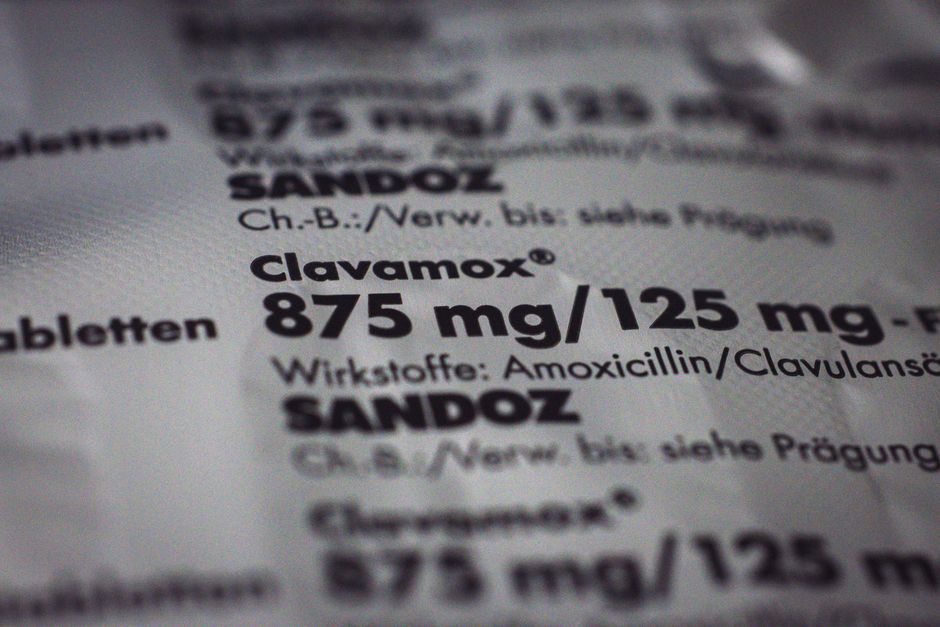
Amoxicillin and penicillin are both antibiotics, but they are not the same drug. Amoxicillin is a type of penicillin, meaning it belongs to the same family of drugs called penicillins. Think of it like squares and rectangles: all amoxicillin is a penicillin, but not all penicillins are amoxicillin. This distinction matters for treating infections and for people with allergies. This guide explains the exact relationship, how they differ, and what you need to know about safety and effectiveness.
Does Amoxicillin Have Penicillin In It?
No, amoxicillin does not contain penicillin as an ingredient. Amoxicillin is a separate chemical compound that belongs to the same drug family. The penicillin family includes several drugs including penicillin V, penicillin G, amoxicillin, and ampicillin. They share a similar core structure called a beta-lactam ring. This ring is what makes them work against bacteria. Amoxicillin was developed in the 1970s as a modified version of the original penicillin. Scientists changed its chemical structure to make it work better against more types of bacteria and to be absorbed more easily when taken by mouth. So while amoxicillin is not the same as penicillin, it is chemically related to it. If you have a prescription for amoxicillin, you are not taking penicillin. You are taking a drug that is a close chemical cousin.
How Are Amoxicillin and Penicillin Different?
The main difference is what bacteria they kill. Penicillin V, the type most often prescribed, works well against strep throat, some skin infections, and dental infections. Amoxicillin covers those same bacteria plus more. It is effective against Haemophilus influenzae, some strains of E. coli, and certain bacteria that cause sinus infections and ear infections. The CDC reports that amoxicillin is the most commonly prescribed antibiotic for children in the United States for conditions like otitis media, or middle ear infections. Another difference is how your body handles them. Amoxicillin is absorbed better from your digestive tract. This means you can take it with or without food and it still works well. Penicillin V is best taken on an empty stomach because food can reduce how much gets into your blood. The dosing schedules also differ. Penicillin V is usually taken three to four times per day. Amoxicillin is often taken two to three times per day, which is more convenient. Both drugs work by stopping bacteria from building their cell walls, which causes the bacteria to die.
| Feature | Penicillin V | Amoxicillin |
|---|---|---|
| Drug family | Penicillin (natural) | Penicillin (semisynthetic) |
| Bacteria coverage | Narrower (strep, some staph, oral bacteria) | Broader (strep, staph, plus H. flu, E. coli, and more) |
| Absorption | Reduced by food | Not affected by food |
| Typical dosing | 3-4 times per day | 2-3 times per day |
| Common uses | Strep throat, dental infections | Ear infections, sinusitis, pneumonia, UTI |
Does Amoxicillin Have Penicillin In It? What About Allergies?
This is where the confusion causes real problems. Since amoxicillin is a type of penicillin, people with a true penicillin allergy are usually told to avoid all penicillins, including amoxicillin. The American Academy of Allergy, Asthma, and Immunology states that about 10% of Americans report a penicillin allergy, but fewer than 1% actually have one when tested. Many people who think they are allergic to penicillin are not. A childhood rash from an infection, not from the drug, often gets mistaken for an allergic reaction. If you have a history of a severe reaction to penicillin, such as anaphylaxis, hives, or swelling, you should avoid amoxicillin. For milder reactions, an allergist can perform skin testing to confirm whether you are truly allergic. Research published in the Journal of Allergy and Clinical Immunology found that over 95% of people who report a penicillin allergy can safely take penicillins after testing. If you are allergic to penicillin, you may also react to amoxicillin because they share the beta-lactam ring. This is called cross-reactivity. The risk is real but not 100%. Some people can tolerate amoxicillin even if they reacted to penicillin V. But no one should test this on their own. Always consult an allergist or your doctor.





Can You Take Amoxicillin If You Are Allergic to Penicillin?
Only under medical supervision and usually after allergy testing. The risk of cross-reaction between penicillin and amoxicillin is about 2-5% in people with a confirmed true penicillin allergy. This means that 95-98% of people with a true allergy can safely take amoxicillin. But those odds are not worth gambling on your own. If your penicillin allergy was severe, your doctor will likely prescribe an alternative antibiotic from a different class, such as a cephalosporin, macrolide, or clindamycin. The CDC guidelines for treating strep throat recommend penicillin or amoxicillin as first-line treatment unless there is a confirmed allergy. For people with a mild or unknown allergy history, doctors may use a test dose or prescribe a different antibiotic to be safe. The takeaway is clear: never take amoxicillin if you have a known penicillin allergy without first talking to your doctor. The consequences of anaphylaxis are serious and can be life-threatening.
What Does Research Show About Amoxicillin vs. Penicillin Effectiveness?
Studies have compared these two drugs for many common infections. For strep throat, research published in the journal Clinical Infectious Diseases found that amoxicillin given once daily was just as effective as penicillin V given three times daily. This makes amoxicillin more convenient for patients. For ear infections in children, the American Academy of Pediatrics recommends amoxicillin as the first-choice antibiotic. Penicillin V is not recommended for ear infections because it does not cover the most common bacteria that cause them. For sinus infections, amoxicillin is also preferred. The evidence is strong that amoxicillin works better for these conditions because of its broader coverage. However, for simple strep throat without complications, both drugs work equally well. Penicillin V has a narrower spectrum, meaning it kills fewer types of bacteria. This is actually an advantage in some cases because it reduces the risk of killing good bacteria and causing antibiotic resistance. Some doctors prefer penicillin V for strep throat specifically for this reason. The choice depends on the infection, your medical history, and local antibiotic resistance patterns.
- For strep throat: Penicillin V and amoxicillin are equally effective.
- For ear infections: Amoxicillin is the preferred first-line treatment.
- For sinus infections: Amoxicillin is more effective than penicillin V.
- For dental infections: Penicillin V is often the first choice.
- For pneumonia: Amoxicillin is commonly used, especially in children.
Common Misconceptions About Amoxicillin and Penicillin
One widespread myth is that amoxicillin is simply a stronger version of penicillin. This is not accurate. Amoxicillin covers more types of bacteria, but it is not necessarily more potent against the bacteria that penicillin already kills. The strength depends on the specific bacteria. Another misconception is that if you are allergic to one antibiotic, you are allergic to all antibiotics. This is false. Penicillin allergies are specific to the beta-lactam class. Many people who cannot take penicillins can safely take macrolides like azithromycin or tetracyclines like doxycycline. Some people believe that amoxicillin is safer than penicillin because it is newer. Both drugs have similar side effect profiles. The most common side effects for both include nausea, diarrhea, and rash. The risk of severe allergic reaction exists for both. Finally, some people think that leftover amoxicillin from a previous infection can be used for a new one. This is dangerous and contributes to antibiotic resistance. Never take leftover antibiotics. Always finish the full course prescribed by your doctor.
What to Avoid When Taking Amoxicillin or Penicillin
Do not take these antibiotics with certain medications without checking with your doctor or pharmacist. Methotrexate, a drug used for rheumatoid arthritis and some cancers, can build up to toxic levels when taken with penicillins. Warfarin, a blood thinner, can have increased effects when combined with amoxicillin or penicillin. Birth control pills may be less effective while taking these antibiotics, though the evidence is mixed. The CDC advises using a backup contraceptive method during treatment. Do not take amoxicillin or penicillin with food if your prescription says to take it on an empty stomach. Some formulations are affected by food. Check the label. Avoid alcohol while taking these antibiotics. Alcohol does not directly interact with the drugs, but it can worsen side effects like nausea and dizziness and may reduce your immune system’s ability to fight the infection. Do not stop taking the antibiotic early even if you feel better. The CDC warns that stopping early can leave some bacteria alive, leading to a return of the infection and contributing to antibiotic resistance.
Frequently Asked Questions
Is amoxicillin the same as penicillin?
No, amoxicillin is a different drug that belongs to the same family as penicillin. They share a similar chemical structure but are not identical.
Can I take amoxicillin if I am allergic to penicillin?
Only under a doctor’s supervision and usually after allergy testing. The risk of cross-reaction is about 2-5% in people with a true penicillin allergy.
Which is stronger, amoxicillin or penicillin?
Neither is universally stronger. Amoxicillin covers more types of bacteria, but penicillin is equally effective against the bacteria it targets.
Why do doctors prescribe amoxicillin instead of penicillin?
Doctors choose amoxicillin when a broader range of bacteria needs to be covered, such as for ear infections or sinus infections. Penicillin is preferred for narrow-spectrum infections like strep throat.
