
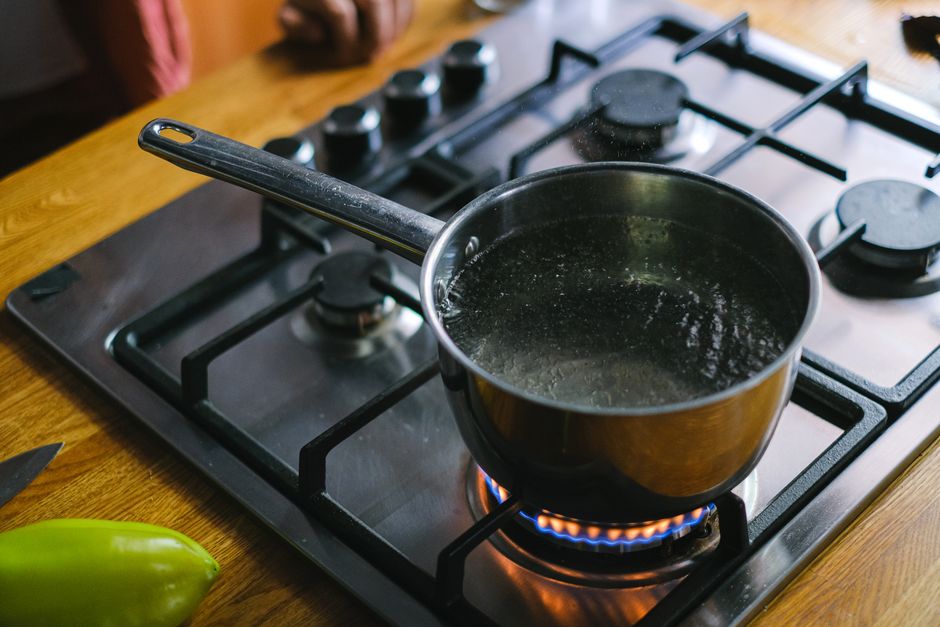
Boiling an egg is simple, but getting the exact result you want takes timing. A soft-boiled egg with a runny yolk needs about 6 to 7 minutes in boiling water. A medium-boiled egg with a jammy yolk takes 8 to 9 minutes. A hard-boiled egg with a fully set yolk needs 10 to 12 minutes. These times are for large eggs straight from the refrigerator. The exact minute depends on your stove, your pot, and your altitude. Here is what to expect at each stage and how to get it right every time.
How Do You Boil Eggs Perfectly Every Time?
The most reliable method starts with room temperature eggs or cold eggs from the fridge. Place them in a single layer in a saucepan. Cover them with cold water by at least one inch. Bring the water to a full rolling boil over high heat.
Once the water is boiling, turn off the heat and cover the pot with a lid. Let the eggs sit in the hot water for the exact time you need. This method, called the “off-heat” or “steam” method, is more forgiving than boiling the eggs the whole time. The residual heat cooks the eggs evenly without overcooking the whites.
After the time is up, transfer the eggs to a bowl of ice water. This stops the cooking instantly. Let them sit for at least 5 minutes. This also makes peeling easier, especially for hard-boiled eggs.
How Long Do You Need To Boil Eggs for Soft, Medium, and Hard?
The exact time depends on what texture you want. Here is a simple breakdown for large eggs using the off-heat method.
| Doneness | Time in Hot Water | Yolk Texture | White Texture |
|---|---|---|---|
| Soft-boiled | 6 to 7 minutes | Runny and warm | Fully set, tender |
| Medium-boiled | 8 to 9 minutes | Jammy, slightly soft | Firm but not rubbery |
| Hard-boiled | 10 to 12 minutes | Fully set, crumbly | Firm and solid |
If you prefer a slightly firmer yolk at soft-boiled, go to 7 minutes. For a completely solid but not dry hard-boiled yolk, 11 minutes is ideal. At 12 minutes the yolk may develop a faint green ring around it. That is harmless but not as visually appealing.
Smaller eggs cook faster. Extra-large or jumbo eggs need about 1 to 2 minutes more. If you are at high altitude (above 3,000 feet), water boils at a lower temperature. You may need to add 1 to 2 minutes to each time.
What Is the Best Way to Peel Boiled Eggs?
Peeling frustration is common. The age of the egg matters. Eggs that are a week or two old peel much easier than very fresh eggs. Fresh eggs have a lower pH, which makes the membrane stick to the shell.
The ice water bath helps. After boiling, plunge the eggs into ice water for at least 5 minutes. This shocks the shell and shrinks the egg slightly inside. Gently tap the egg on a hard surface to crack the shell all over. Roll it between your hands to loosen the shell. Start peeling from the wider end where the air pocket is.
Another trick is to peel the egg under running cold water. The water helps separate the membrane from the white. Some people add a teaspoon of baking soda to the boiling water. The higher pH makes peeling easier. Research published in the Journal of Food Science found that older eggs and baking soda both help significantly.





Does How Long You Boil Eggs Affect Nutrition?
Boiling does not change the basic nutrition of an egg. A large egg has about 70 calories, 6 grams of protein, and 5 grams of fat whether it is soft or hard boiled. The heat does not destroy protein or fat in any meaningful way.
What changes is how your body digests the egg. A study in the Journal of Nutrition found that cooked egg protein is about 91% digestible. Raw egg protein is only about 50% digestible. So boiling makes the protein more available to your body.
Overcooking can reduce some vitamins. Vitamin A and some B vitamins are heat-sensitive. At 12 minutes of boiling, you lose a small amount compared to 6 minutes. The difference is minor. For most people, the convenience and safety of a fully cooked egg outweigh the tiny vitamin loss.
The green ring that sometimes forms around hard-boiled yolks is iron sulfide. It forms when iron in the yolk reacts with sulfur in the white under high heat. It is not harmful. It just means the egg was cooked a bit too long.
What Common Mistakes Ruin Boiled Eggs?
The biggest mistake is boiling the eggs at a full rolling boil the entire time. This makes the whites rubbery and tough. The off-heat method solves this. Bring to a boil, then turn off the heat and cover.
Another mistake is starting with boiling water. Dropping cold eggs directly into boiling water can cause the shells to crack. The sudden temperature change is too harsh. Always start with cold water, or carefully lower eggs into already boiling water with a spoon if you prefer that method.
Overcrowding the pot is also a problem. Eggs need room to cook evenly. Use a pot that is wide enough for a single layer of eggs with space around each one. If you stack them, the bottom eggs may cook faster than the top ones.
Skipping the ice bath is another common error. Without it, the eggs continue cooking from residual heat. A soft-boiled egg can turn medium in just a minute of sitting. The ice bath stops the cooking instantly.
How Do You Store Boiled Eggs and How Long Do They Last?
Hard-boiled eggs last longer than soft-boiled eggs. Keep them in the shell for best storage. Place them in the refrigerator within two hours of cooking. The CDC recommends refrigerating cooked eggs at 40°F or below.
Hard-boiled eggs in the shell stay fresh for up to one week. Soft-boiled eggs are best eaten the same day. The runny yolk is more prone to bacterial growth if stored. The USDA states that cooked eggs should not sit at room temperature for more than two hours.
Peeled hard-boiled eggs should be stored in a covered container with a damp paper towel. Use them within two to three days. Do not freeze boiled eggs. The whites become watery and rubbery when thawed.
If you are meal prepping, mark the date on the shell with a pencil. This helps you track how long they have been stored. Do not wash the eggs before storing. The natural coating on the shell helps protect them.
Frequently Asked Questions
How long do you need to boil eggs for hard-boiled?
For hard-boiled eggs, let them sit in hot water for 10 to 12 minutes after boiling. At 10 minutes the yolk is fully set but still moist. At 12 minutes it is firm and slightly crumbly.
Can you overcook a boiled egg?
Yes. Overcooking makes the white rubbery and the yolk dry and chalky. A green ring around the yolk is a sign of overcooking. It is safe to eat but not ideal in texture.
Do you put eggs in cold water or boiling water?
Start with cold water. Place eggs in the pot, cover with cold water, then bring to a boil. This prevents cracking and cooks the eggs evenly. Dropping cold eggs into boiling water often causes shells to crack.
How do you know when boiled eggs are done without cutting them?
Use a timer. The best way is to follow the times in the table above. You can also spin the egg on a flat surface. A hard-boiled egg spins smoothly. A raw egg wobbles because the liquid inside shifts.
