
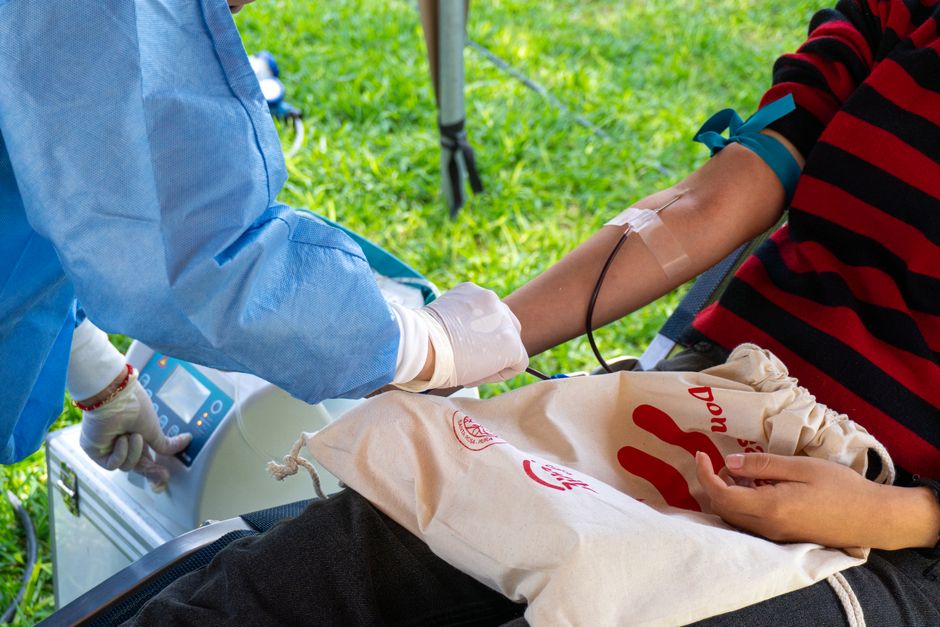
Giving blood is a straightforward process, but the time commitment is longer than most people expect. The actual blood draw takes about 8 to 10 minutes, but the entire visit, from check-in to the post-donation snack, typically takes about an hour to an hour and 15 minutes for a whole blood donation. Your first visit will take longer, usually closer to 90 minutes, because you must complete a detailed health history questionnaire and a mini-physical.
What Happens During the Donation Process?
Understanding each step helps explain where the time goes. The process is broken into four main parts, and the needle is only in your arm for a fraction of the total visit.
- Registration and Health History (15–20 minutes): You will show ID, answer questions about your health, travel, and medications, and read educational materials.
- Mini-Physical (5–10 minutes): A staff member checks your blood pressure, pulse, temperature, and hemoglobin level. This is a finger-prick test that checks your iron stores.
- The Draw (8–10 minutes): This is the actual collection of one pint of blood. Most donors finish this step in under ten minutes.
- Recovery and Refreshments (10–15 minutes): You rest, drink fluids, and eat a light snack. This step is mandatory to help prevent dizziness.
The entire appointment is carefully controlled. Blood collection agencies prioritize donor safety over speed, and the screening steps are not optional.
How Long Does It Take To Donate A Pint Of Blood: The Full Timeline
Plan for a total appointment time of roughly 60 to 75 minutes. This is the standard for a whole blood donation at most collection centers and blood drives. The needle time is only a small fraction of that hour.
First-time donors should plan for an additional 15 to 30 minutes. The extra time is spent on a more thorough health history interview and a longer orientation. Returning donors who have donated recently may move through the registration process faster, but the medical screening remains thorough every single time.
Appointment times can also vary based on how busy the center is. A scheduled appointment at a quiet donor center will almost always be faster than walking into a crowded mobile blood drive during peak hours.
Why Does the Screening Take So Long?
The health screening exists to protect both you and the person who receives your blood. This is not administrative paperwork for its own sake. It is a safety checkpoint.
Your hemoglobin is checked to ensure you are not anemic. If your iron level is too low, donating would be unsafe for you, and the blood would not be ideal for the recipient. Your blood pressure and pulse are checked to ensure your body can tolerate the temporary loss of one pint of fluid.
The questions about travel and medication history are designed to screen for potential infectious risks. Blood banks follow strict regulations, and the questionnaire is updated regularly based on current public health data. Answering honestly is essential, and the staff member will review your answers with you privately.





What About Other Types of Blood Donation?
Whole blood is the most common donation type, but it is not the only one. Other donation methods take significantly longer because they involve a machine that separates your blood into components.
Platelet donation is the most time-intensive. The process, called apheresis, cycles your blood through a machine that extracts platelets and returns the remaining blood components to your body. A platelet donation typically takes 2 to 3 hours. You are seated comfortably the entire time, but you cannot move your arm freely.
Double red cell donation also uses apheresis. This procedure collects two units of red blood cells while returning plasma and platelets to you. It takes about 30 minutes longer than a standard whole blood donation, usually around 90 minutes total.
These longer procedures require a separate appointment. They are not offered at every blood drive location due to the specialized equipment needed.
What Affects How Fast Your Blood Draws?
Not everyone finishes the actual blood draw in the same amount of time. Several factors influence how quickly the pint fills the bag.
- Hydration: Being well-hydrated makes your veins more prominent and allows blood to flow faster. Dehydration slows the draw considerably.
- Vein size and condition: Larger veins allow faster flow. This is a physical characteristic you cannot change, but a skilled phlebotomist will select the best vein available.
- Your body’s response: Some people naturally have higher or lower blood pressure during the draw, which affects flow rate.
The collection bag sits on a mechanical scale that gently rocks to mix the blood with an anticoagulant. The machine does not pull blood from your arm. Gravity and your own blood pressure drive the collection, which is why hydration and vein quality matter so much.
How Long Until Your Body Replaces the Blood?
Your body begins replacing the donated blood immediately. The timeline for full recovery varies by blood component.
Plasma is replaced within 24 to 48 hours. This is the liquid portion of your blood. Platelets return to normal levels within a few days. Red blood cells take the longest, typically 4 to 6 weeks for full replacement. This is why the minimum waiting period between whole blood donations is 56 days, or 8 weeks.
Your body needs iron to make new red blood cells. Regular donors can deplete their iron stores over time. Most blood centers now offer a ferritin test, which measures stored iron, to help donors monitor their levels. Eating iron-rich foods, such as lean red meat, beans, and leafy greens, helps support recovery.
How Often Can You Donate?
The waiting period between whole blood donations is 56 days, which equals 8 weeks. This allows your red blood cell count to fully recover. Men can typically donate whole blood up to 6 times per year. Women can donate up to 4 times per year because they generally have lower baseline iron stores.
Platelet donors have a different schedule. They can donate more frequently, up to 24 times per year, because the body replaces platelets much faster than red blood cells. There is a 7-day waiting period between platelet donations.
These intervals are set by regulatory standards, not by individual blood centers. They are based on research into how quickly the body can safely replenish each blood component.
Frequently Asked Questions
Can I drive myself home after donating blood?
Yes, most people can drive themselves home after donating. The mandatory 15-minute rest period and refreshments are designed to ensure you feel stable before you leave.
What should I eat before donating blood?
Eat a normal meal within a few hours before your appointment and drink extra water. Avoid fatty foods immediately before donating, as they can affect the testing of your blood.
Why do I have to wait 56 days between donations?
The 56-day interval allows your red blood cell count to return to a safe level. Your body needs 4 to 6 weeks to fully replace the red blood cells lost in one donation.
Does donating blood hurt?
You will feel a brief pinch when the needle goes in, similar to getting blood drawn for a lab test. Most donors report minimal discomfort during the 8 to 10 minute draw.
