
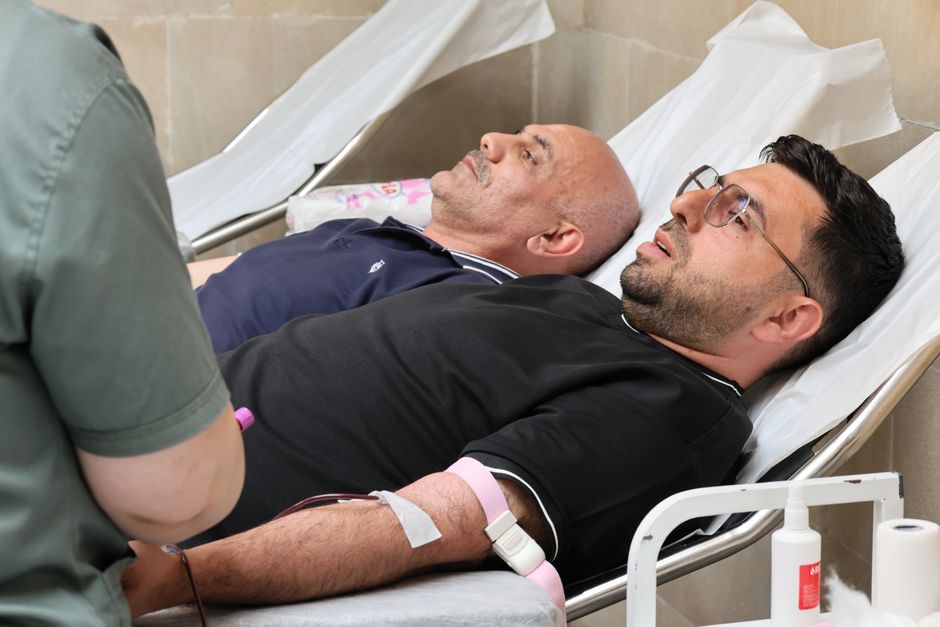
Donating blood takes about 10 minutes, but your body’s response to that donation unfolds over the next 24 to 48 hours. In the first hour, your body begins replacing the fluid volume. Within 24 hours, your plasma volume is mostly restored. Your red blood cells take longer — typically 4 to 6 weeks to fully replenish. Here is what actually happens hour by hour after you donate.
What Happens After You Donate Blood Hour By Hour?
Your body reacts to blood donation in a predictable sequence. The immediate changes happen fast, while the deeper recovery takes weeks. Understanding this timeline helps you know what to expect and when you can resume normal activities.
The First 15 Minutes: Immediate Fluid Shift
When the needle comes out, your body starts working immediately. You have lost about one pint of whole blood — roughly 450 to 500 milliliters. That is about 10 percent of your total blood volume for an average adult.
Your blood pressure drops slightly. Your heart rate may increase a few beats per minute to compensate. This is why blood banks ask you to sit in the recovery area and drink fluids. Your body is already pulling water from your tissues into your bloodstream to make up the lost volume.
30 to 60 Minutes: Plasma Replacement Begins
Within the first hour, your body begins replacing the liquid portion of your blood — the plasma. This is mostly water, proteins, and electrolytes. Your kidneys and hormones work together to signal fluid retention and shift water from your cells into your blood vessels.
Most people feel back to normal within this window. Dizziness, if it happens, usually occurs in the first 15 to 30 minutes. This is why donation centers keep you nearby for observation. Once you can eat a snack and drink fluids without feeling lightheaded, you are generally cleared to leave.
2 to 4 Hours: Blood Volume Stabilizes
By the two-hour mark, your blood volume is largely restored. Your body has moved enough fluid into your bloodstream to bring your blood pressure back to its normal range. You may still feel slightly tired, but the risk of fainting drops significantly after this point.
Your body now shifts focus to replacing the lost red blood cells. This process is slower because it requires your bone marrow to produce new cells. The hormone erythropoietin, released by your kidneys, signals your bone marrow to ramp up red blood cell production.
24 Hours: Plasma Volume Is Fully Restored
Within 24 hours, your plasma volume is back to normal. Your blood volume is complete. Your heart rate and blood pressure have returned to their baseline levels. Most people feel entirely normal at this point.
What is not yet restored is your red blood cell count. Your hematocrit — the percentage of your blood made up of red blood cells — remains lower than normal. This is why you cannot donate again immediately. Most blood banks require a minimum wait of 8 weeks for whole blood donation. That wait exists because your red blood cells need time to fully regenerate.
2 to 6 Weeks: Red Blood Cell Replacement
Red blood cells live about 120 days. When you donate, you lose a significant number of them at once. Your bone marrow responds by increasing production. This is a steady process, not an immediate one.
Your iron stores play a major role here. Your body needs iron to make hemoglobin, the protein in red blood cells that carries oxygen. If your iron stores are adequate, your red blood cell count returns to normal within 4 to 6 weeks. If your iron is low, recovery takes longer.
This is why many blood banks now test your iron levels before you donate. Repeated donations without adequate iron replacement can lead to iron deficiency, even if you do not feel anemic.
What Should You Eat and Drink After Donating?
Fluids are the priority in the first few hours. Water, juice, or sports drinks help replace the volume you lost. Your body needs about 16 to 24 ounces of extra fluid in the first 2 hours after donation.
Food matters too. A meal within a few hours of donating helps maintain your blood sugar and provides the nutrients your body needs to start rebuilding. Foods rich in iron — lean red meat, beans, spinach, fortified cereals — support red blood cell production. Vitamin C helps your body absorb iron, so pair iron-rich foods with citrus fruits, tomatoes, or bell peppers.
Some research suggests that iron supplementation can help frequent donors recover faster. If you donate regularly, talk with your healthcare provider about whether iron supplementation is right for you. Do not start supplements on your own without knowing your iron status.
What Should You Avoid After Donating?
Strenuous exercise is the main thing to avoid in the first 24 hours. Heavy lifting, intense cardio, or any activity that raises your heart rate significantly can make you feel lightheaded. Your blood volume is restored, but your red blood cell count is still low, which means your blood carries slightly less oxygen than usual.
Alcohol is best avoided for at least 24 hours. Alcohol can dehydrate you and interfere with your body’s fluid balance. It also dilates blood vessels, which can increase the risk of dizziness.
Smoking is also worth avoiding for a few hours after donation. Nicotine constricts blood vessels and can affect blood flow while your body is adjusting to the volume change.


What Are the Signs You Should Seek Medical Attention?
Most people recover from blood donation without any problems. But complications can happen, and you should know the warning signs.
Call your healthcare provider or seek medical attention if you experience:
- Dizziness or lightheadedness that lasts more than a few hours
- Nausea that does not resolve
- A bruise at the needle site that grows larger or becomes painful
- Numbness or tingling in your arm, hand, or fingers
- Signs of infection at the needle site — redness, warmth, swelling, or discharge
- Chest pain, shortness of breath, or an irregular heartbeat
These symptoms are rare, but they require evaluation. Do not dismiss them as part of the donation process.
Why Do You Feel Tired After Donating?
Feeling tired after donating is common and has a clear physiological reason. Your blood carries oxygen to your tissues. When you lose red blood cells, your blood’s oxygen-carrying capacity drops slightly. Your tissues receive marginally less oxygen, which can make you feel fatigued.
This effect is temporary. As your bone marrow produces new red blood cells, your oxygen-carrying capacity returns to normal. Most people notice their energy levels returning within a few days to a week.
If you feel profoundly fatigued for more than a week after donating, that is not typical. This could indicate that your iron stores were already low before you donated. A simple blood test can check your iron and hemoglobin levels.
Can You Donate Blood If You Are Anemic?
No. Blood banks screen for anemia before every donation. They test your hemoglobin level with a finger prick. If your hemoglobin is below the minimum threshold, you will be deferred from donating.
The minimum hemoglobin level for blood donation is typically 12.5 g/dL for women and 13.0 g/dL for men, though exact thresholds can vary slightly by blood bank. This screening exists to protect you. Donating when you are already anemic would worsen your condition and could cause significant fatigue, dizziness, or fainting.
If you are deferred for low hemoglobin, it does not mean you can never donate again. It means you need to address your iron levels first. Your blood bank can provide guidance on iron-rich foods or supplementation. Many donors return successfully after a few weeks or months of improving their iron status.
How Long Should You Wait Between Donations?
For whole blood donation, the standard waiting period is 8 weeks. This is the time your body needs to fully replace the red blood cells you lost. Some blood banks allow shorter intervals for specific donation types, but 8 weeks is the standard for whole blood.
Other donation types have different timelines. Platelet donation can be done more frequently — as often as every 7 days, up to 24 times per year. Plasma donation can be done every 28 days. These products are replaced faster by your body than red blood cells.
Your blood bank tracks your donation history and will not let you donate before your eligibility window. This system protects your health while ensuring the blood supply remains safe.
Who Should Not Donate Blood?
Blood donation is safe for most healthy adults, but some people should not donate. You should not donate if you have an active infection, are currently taking antibiotics, or have a fever. You should also wait if you have recently traveled to an area with malaria risk or received a blood transfusion in the past 3 months.
People with certain chronic conditions — including some heart conditions, bleeding disorders, or a history of hepatitis B or C — are typically deferred. Pregnancy is also a deferral. You cannot donate while pregnant or for 6 weeks after giving birth.
These rules exist to protect both you and the person receiving your blood. The screening process is thorough for a reason. If you have questions about your eligibility, contact your local blood bank directly.
Frequently Asked Questions
How long does it take to fully recover from blood donation?
Plasma volume recovers within 24 hours, but red blood cells take 4 to 6 weeks to fully replenish. This is why blood banks require an 8-week wait between whole blood donations.
Can I exercise after donating blood?
You should avoid strenuous exercise for 24 hours after donating. Light walking is fine, but heavy lifting and intense cardio can cause lightheadedness because your blood carries slightly less oxygen.
Why do I feel dizzy after giving blood?
Dizziness happens because your blood pressure drops slightly when you lose about 10 percent of your blood volume. Your body restores fluid volume within a few hours, which usually resolves the dizziness.
What should I eat after donating blood?
Eat a meal within a few hours of donating that includes iron-rich foods like lean meat, beans, or spinach. Pair them with vitamin C sources like citrus fruit to improve iron absorption.
