
Donating blood when you weigh under 110 pounds is generally not allowed, and for good reason. Blood banks enforce this minimum weight limit to protect your health and prevent you from fainting or becoming seriously ill during or after your donation. Your total blood volume is directly tied to your body weight, so a smaller body simply cannot afford to lose the standard pint of blood that a larger body can.
Why Is There a 110-Pound Weight Limit for Blood Donation?
The 110-pound minimum exists because your blood volume is proportional to your body weight. A person who weighs 110 pounds has roughly 3.5 to 4 liters of blood in their body. When you donate, you give about one pint, which is close to 470 milliliters. For a larger person, that pint represents a smaller percentage of their total blood volume.
For someone under 110 pounds, losing that same pint removes a much larger percentage of their total blood. This sudden drop in blood volume can cause your blood pressure to fall quickly. That drop is what leads to dizziness, lightheadedness, and fainting. In more severe cases, it can trigger nausea, vomiting, or even a loss of consciousness that requires medical attention.
The limit is not arbitrary. It is a safety threshold based on the physiology of blood volume and the body’s ability to compensate for sudden fluid loss.
What Actually Happens to Your Body During a Donation?
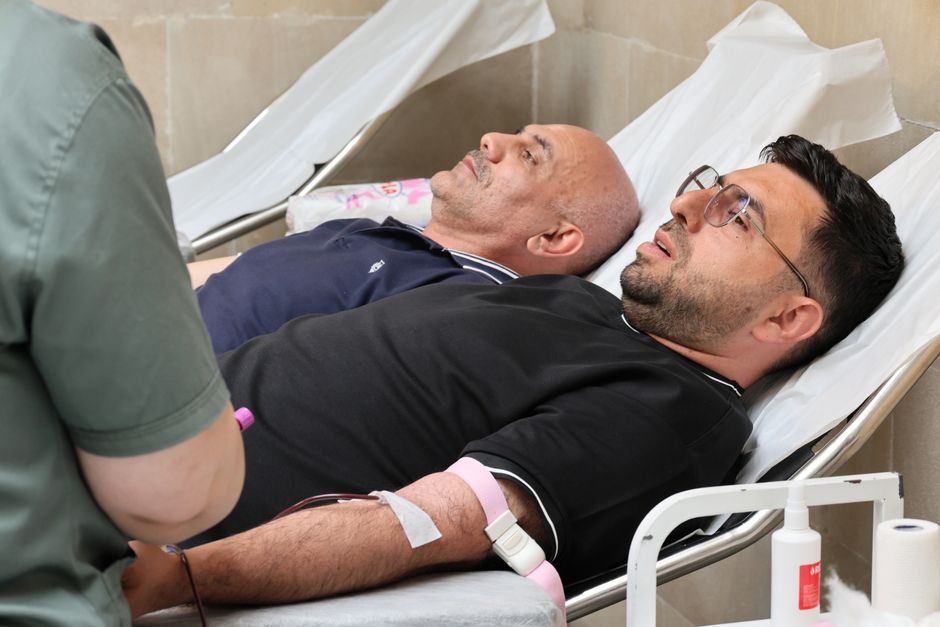
When you donate blood, a needle is placed in a vein in your arm. Blood flows into a collection bag until it reaches the standard donation volume. Your body immediately begins trying to compensate for this loss.
Your blood vessels constrict to maintain blood pressure. Your heart rate increases to pump the remaining blood more efficiently. These are normal responses, and most healthy adults handle them without issue.
If your body weight is below the minimum, your blood volume is already at the lower end of the range. The compensation mechanisms have less room to work. Your blood pressure can drop faster than your body can adjust. This is why the reaction happens quickly for some people, sometimes within minutes of starting the donation.
The most common reactions are feeling faint, sweating, and seeing spots or tunnel vision. These are warning signs that your brain is not getting enough oxygenated blood.
What Are the Risks of Donating Below the Weight Minimum?
The primary risk is a vasovagal reaction. This is a sudden drop in heart rate and blood pressure that occurs in response to a trigger, in this case, blood loss. It causes fainting and can happen during the donation or up to an hour afterward.
Fainting is not just embarrassing. If you faint after leaving the donation center, you can hit your head or injure yourself falling. Some donors who faint experience prolonged nausea and vomiting. A small number develop what is called a delayed reaction, where symptoms appear hours later.
There is also a risk of anemia being missed. Many blood centers check your hemoglobin before donation. But the weight limit exists independently of that check. Even with a normal hemoglobin level, a smaller body may not tolerate the volume loss well.
In rare cases, donating below the weight minimum can lead to more serious complications. These include prolonged lightheadedness that interferes with daily activities, an inability to stand or walk safely, and in extreme situations, a need for intravenous fluids to restore blood pressure.




Can You Donate Blood If You Are Close to 110 Pounds?
If you weigh 109 pounds, the answer is still no. The limit is strict, and blood centers do not make exceptions for being close. This is not a matter of judgment. The threshold is set where it is because the safety margin narrows significantly below that point.
Some blood centers have different policies for different types of donations. Platelet donation, for example, has its own weight requirements. Apheresis procedures, where blood is drawn, processed, and returned to you, may have different limits. You should always check with the specific blood center you plan to visit.
If you are under 110 pounds and want to donate, the safest answer is to wait until you reach the minimum weight. Gaining weight just to donate blood is not advisable. Your weight should be stable and healthy for your body type before you consider donating.
What Should You Do If You Already Donated and Were Underweight?
If you donated blood and later realized you were under the weight limit, monitor yourself closely. Most reactions happen within the first hour, but some can occur later. Drink fluids and eat a meal with protein and carbohydrates. Avoid alcohol for at least 24 hours.
Do not drive immediately after donating if you feel any dizziness or weakness. Sit or lie down until symptoms pass. If you faint, vomit repeatedly, or feel unable to stand, seek medical attention. These symptoms usually resolve on their own, but they can be serious if you are alone or in an unsafe environment.
It is also worth telling your regular doctor that you donated while underweight. They can check your blood counts and make sure you have recovered fully. Iron levels can take several weeks to return to normal after a donation.
Does the Weight Limit Apply to All Blood Donation Types?
The 110-pound minimum applies to whole blood donation at most major blood collection organizations in the United States. This is the standard donation where a pint of blood is collected in a bag.
Platelet donation through apheresis typically requires a higher weight minimum, often around 130 to 150 pounds. This is because the procedure takes longer and involves anticoagulants that affect your blood chemistry. The higher weight requirement gives a larger safety margin for the longer procedure.
Double red cell donation, where two units of red blood cells are collected, also has a higher weight requirement. This is usually around 130 pounds for men and 150 pounds for women, depending on height. The loss of red blood cells is greater, so the body needs more reserve.
Always confirm the specific requirements with the blood center directly. Policies can vary between organizations and even between locations.
What Can You Do to Help If You Cannot Donate Blood?
If you are under 110 pounds, you still have meaningful ways to support blood donation efforts. You can volunteer at blood drives. You can help with registration, refreshments, or donor recovery areas.
You can also encourage eligible friends and family members to donate. Spreading accurate information about eligibility requirements helps people prepare properly and reduces wasted appointments.
Some people who cannot donate blood can donate plasma under certain conditions, but plasma centers have their own weight requirements as well. These are typically lower than whole blood requirements, but they still exist. Check with your local plasma center for their specific policies.
Frequently Asked Questions
Can I donate blood if I weigh 105 pounds?
No, most blood centers require a minimum weight of 110 pounds for whole blood donation. This limit protects you from fainting and other complications related to low blood volume.
What happens if I faint during blood donation?
You will be laid flat with your legs elevated to restore blood flow to your brain. Staff will monitor you until symptoms resolve, and you may be given fluids and a snack.
Will I be turned away if I weigh under 110 pounds?
Yes, you will be deferred from donating at most blood centers. This is a standard safety screening step, not a judgment about your health.
How long does it take to recover from donating blood?
Most people feel normal within a few hours, but your body takes several weeks to fully replace the red blood cells. Iron levels may take longer to return to baseline.
