
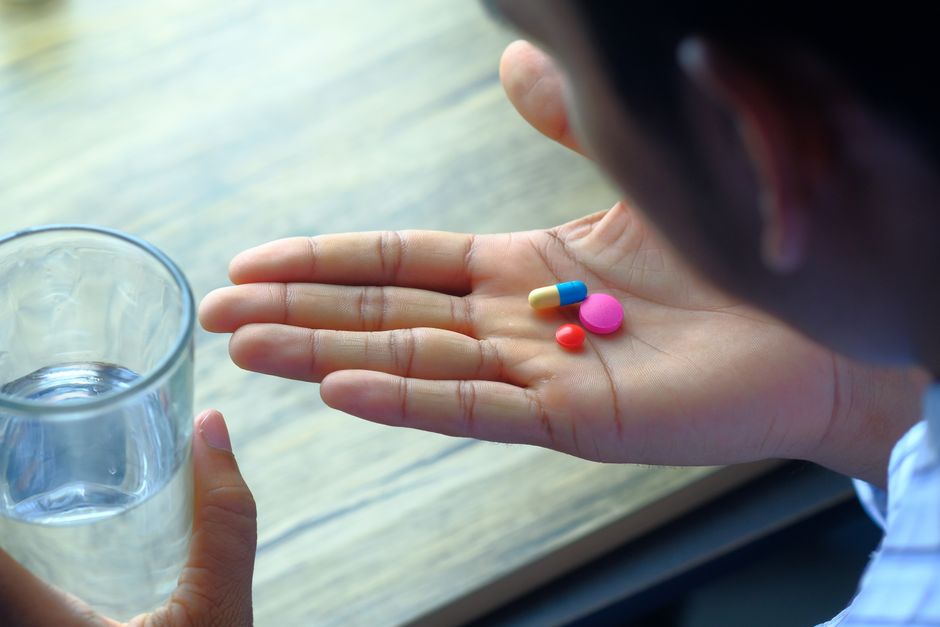
People often expect a pill to work within minutes, like a headache tablet. The reality is that the time it takes for any pill to become effective depends on the drug itself, how your body absorbs it, and what the pill is designed to do. Some medications work in 20 minutes, while others take weeks to build up to a level where they actually change how your body functions. There is no single answer, but there are clear patterns for how long most common pills take to start working.
What Does “Effective” Actually Mean for a Pill?
Before looking at timelines, it helps to separate two different things: when the drug enters your bloodstream and when it produces a noticeable effect. A pill can be absorbed into your blood within 30 minutes, but that does not mean you will feel it working. Many drugs need to reach a certain concentration in your blood before they change anything you can notice.
For example, an antibiotic might enter your bloodstream quickly, but it takes days for your immune system and the drug together to clear an infection. A painkiller enters the bloodstream fast, but the pain relief you feel depends on how quickly the drug reaches the site of pain and how your brain processes that signal. “Effective” usually means the moment you notice a change, not the moment the drug is in your system.
How Quickly Do Different Types of Pills Work?
Most oral medications follow a predictable timeline based on how they are absorbed. The fastest-acting pills are designed to dissolve quickly and are absorbed through the stomach or the lining of the mouth. Slower-acting pills are formulated to release the drug over hours or even days.
- Fastest (15-30 minutes): Pain relievers like ibuprofen or acetaminophen on an empty stomach, and some allergy medications.
- Moderate (30-60 minutes): Most oral antibiotics, blood pressure medications, and diabetes medications taken with food.
- Slow (1-4 hours): Extended-release pain relievers, some antidepressants, and medications designed to be absorbed slowly in the intestines.
- Very slow (days to weeks): Antidepressants like SSRIs, cholesterol medications, and medications for bone density or thyroid conditions.
These are general ranges, not guarantees. Your age, weight, kidney function, and whether you have eaten recently all change how fast a pill works.
Why Does Food Change How Fast a Pill Works?
Food is one of the biggest factors in how quickly a pill becomes effective. When you take a pill on an empty stomach, it passes into your stomach and then the small intestine faster. Most drugs are absorbed in the small intestine, not the stomach, so an empty stomach often means faster absorption.
When you take a pill with food, the stomach empties more slowly. Fatty meals are especially slow to leave the stomach, which can delay absorption by an hour or more. Some drugs are actually designed to be taken with food because food improves their absorption or reduces stomach irritation. Always follow the specific instructions for each medication rather than assuming an empty stomach is always faster.





How Long Does It Take For Pill To Be Effective for Pain?
Pain relievers are the most common pills people take, and the timelines are well established. Over-the-counter pain relievers like ibuprofen and acetaminophen typically start working within 20 to 30 minutes when taken on an empty stomach. With food, that can stretch to 45 to 60 minutes. Prescription pain medications like opioids can work faster, often within 15 to 30 minutes, but they carry serious risks and are only used under medical supervision.
Extended-release pain medications are different. These are designed to release the drug slowly over 8 to 12 hours. They take longer to reach peak effect, sometimes 1 to 2 hours, but they provide longer-lasting relief. If you take an extended-release pill expecting fast relief, you will be disappointed, and crushing or chewing it to make it work faster is dangerous because it can release the entire dose at once.
How Long Do Antibiotics Take to Work?
Antibiotics enter your bloodstream within 30 to 60 minutes of taking them, but that is not the same as feeling better. The drug needs time to stop bacteria from multiplying and let your immune system clear the infection. Most people notice improvement within 24 to 48 hours of starting an antibiotic, but some infections take longer.
It is important to finish the entire course of antibiotics even if you feel better after two days. Stopping early can leave the strongest bacteria alive, which can lead to antibiotic resistance. If you do not feel any improvement after 48 to 72 hours, contact your doctor. That may mean the bacteria are resistant to the antibiotic you were prescribed.
Why Do Some Pills Take Weeks to Work?
Some medications do not work on a fast timeline because they change how your body produces or uses chemicals over time. Antidepressants are the clearest example. Medications like SSRIs and SNRIs do not work immediately. They typically take 2 to 6 weeks to produce noticeable improvement in mood and anxiety symptoms.
This delay happens because these drugs do not just increase a chemical in your brain. They trigger changes in how brain cells communicate, and those changes take time. Your brain needs to adapt to the new medication levels. Some people notice small changes in the first week, but the full effect often takes over a month.
Cholesterol medications like statins also take time. They lower cholesterol gradually over several weeks, and doctors usually check your cholesterol levels after 4 to 12 weeks of treatment to see if the dose is working. Blood pressure medications can work faster, often within hours to days, but the full effect on blood pressure may take 2 to 4 weeks.
How Do Pill Forms Change the Timeline?
The physical form of a pill changes how fast it works. Capsules, tablets, chewables, and liquids all behave differently in your body. Liquids are absorbed fastest because they do not need to dissolve first. Chewable tablets work quickly for the same reason. Regular tablets need to break apart in your stomach, which takes time. Extended-release tablets are engineered to dissolve slowly, sometimes over the entire length of your intestines.
Some pills are designed to dissolve under the tongue or against the cheek. These are called sublingual or buccal medications, and they absorb directly into your bloodstream through the mucous membranes. This bypasses your digestive system entirely, so they work faster than swallowed pills. Nitroglycerin for chest pain is a classic example, working within minutes.
How Long Does It Take For Pill To Be Effective for Sleep?
Sleep medications are one area where people often expect immediate results. Over-the-counter sleep aids containing antihistamines like diphenhydramine typically take 30 to 60 minutes to make you drowsy. Prescription sleep medications vary widely. Some, like zolpidem, are designed to work quickly, often within 15 to 30 minutes, and are meant to be taken right before bed.
Other sleep medications, including some antidepressants used for sleep and certain anti-anxiety drugs, take longer to build up in your system. They may not produce noticeable sleepiness for several days. If you take a sleep medication and feel nothing after an hour, do not take another dose. Taking more than prescribed can lead to dangerous side effects including severe drowsiness, confusion, and breathing problems.
How Long Does It Take For Pill To Be Effective for Birth Control?
Birth control pills follow a specific timeline that is important to understand. Combination birth control pills, which contain both estrogen and progestin, provide pregnancy protection after 7 days of consistent daily use if you start them within the first 5 days of your period. If you start at any other time, you need to use a backup method like condoms for the first 7 days.
Progestin-only pills, sometimes called the mini-pill, work faster. They can be effective after 48 hours if started within the first 5 days of your period. If started at other times, they require 48 hours of backup contraception. Missing pills resets these timelines, so it is important to follow the instructions that come with your specific prescription.
What Slows Down Pill Absorption?
Several factors can delay how quickly a pill becomes effective. Some of the most common include:
- Food in your stomach — especially fatty meals which slow stomach emptying.
- Gastrointestinal conditions — like gastroparesis or Crohn’s disease which change how fast drugs move through your system.
- Other medications — some drugs interact and slow down absorption of others.
- Age — older adults often have slower digestion and reduced blood flow to the intestines.
- Kidney or liver disease — these organs process drugs, and when they are not working well, drugs can take longer to reach effective levels.
If you are taking a medication that needs to work quickly, like a pain reliever or an emergency medication, ask your pharmacist whether food or other drugs you take could delay it.
How Do You Know If a Pill Is Working?
For most medications, you will notice a change in your symptoms. Pain decreases, fever drops, or allergy symptoms improve. For medications that work silently, like blood pressure drugs or cholesterol medications, you cannot feel them working. The only way to know is to have your blood pressure or cholesterol checked by a doctor.
If you have taken a medication exactly as prescribed and see no improvement within the expected time frame, contact your doctor. Do not simply take a higher dose or add another medication on your own. That can cause dangerous side effects or drug interactions.
When Should You Call a Doctor?
Some situations require immediate medical attention. If you take a pill and experience difficulty breathing, swelling of your face or throat, severe dizziness, or a rapid heartbeat, call emergency services. These can be signs of a severe allergic reaction.
If a medication is not working after the expected time and your symptoms are getting worse, call your doctor. For example, if you have taken a prescribed antibiotic for 72 hours and your fever is higher or your pain is worse, that is a reason to seek medical advice. If you have taken a pain reliever and still have severe pain after an hour, that also warrants a call to your doctor.
Frequently Asked Questions
How long does it take for a pill to be absorbed into your system?
Most pills are absorbed into your bloodstream within 30 to 60 minutes. The exact time depends on the drug, whether you have eaten, and how the pill is formulated.
Why does my medication take weeks to start working?
Some medications, particularly antidepressants and cholesterol drugs, work by slowly changing how your body functions over time. These changes require days or weeks to produce noticeable effects.
Does taking a pill on an empty stomach make it work faster?
Usually yes, because food slows stomach emptying and delays the drug reaching your intestines where most absorption happens. Some medications are exceptions and need food to be absorbed properly.
Can I take another dose if my pill has not worked yet?
No. Taking a second dose before the medication has had time to work can cause dangerous side effects or an overdose. Follow the dosing instructions on your prescription and contact your doctor if symptoms do not improve.
