
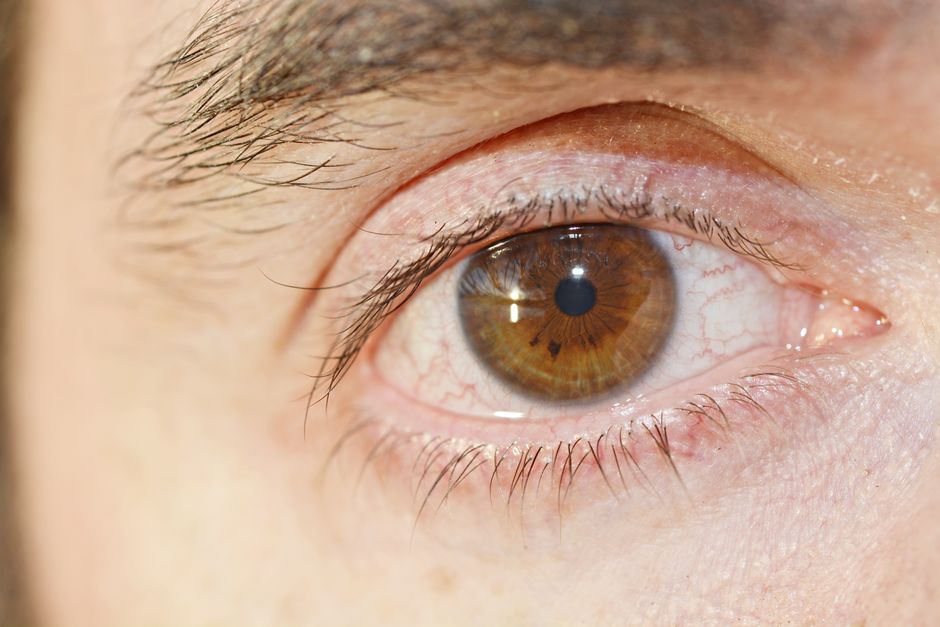
Conjunctivitis, commonly called pink eye, usually lasts between 5 and 14 days depending on the cause. Viral pink eye often clears up on its own within 7 to 14 days. Bacterial pink eye typically improves within 3 to 7 days, especially with antibiotic drops. Allergic conjunctivitis lasts as long as you are exposed to the allergen.
Knowing which type you have matters because treatment and duration differ. Here is what the evidence shows about each form of pink eye and what you can expect during recovery.
What Determines How Long Conjunctivitis Lasts?
The duration depends almost entirely on the cause. There are three main types: viral, bacterial, and allergic. Each follows a different timeline because each has a different mechanism.
Viral conjunctivitis is the most common form. It often develops alongside a cold or upper respiratory infection. The same viruses that cause sore throats and runny noses can infect the conjunctiva, the thin membrane covering the white of the eye and the inside of the eyelids.
Bacterial conjunctivitis happens when bacteria enter the eye. This can occur from touching your eyes with unwashed hands, sharing towels, or using contaminated makeup. It produces thicker discharge, often yellow or green, and may affect one eye more than the other.
Allergic conjunctivitis is not an infection. It is an immune response to pollen, dust mites, pet dander, or mold. The eyes release histamine, which causes itching, redness, and watering. The duration matches your exposure to the trigger.
How Long Does Viral Conjunctivitis Last?
Viral pink eye typically lasts 7 to 14 days. In some cases, symptoms can linger for up to three weeks. There is no medication that shortens a viral infection. Antibiotics do not work against viruses.
The most common cause is adenovirus. This same family of viruses causes many common colds. The infection usually starts in one eye and may spread to the other within a few days.
Symptoms are often worst in the first three to five days. Then they gradually improve. The eye may remain slightly red or watery for another week after the worst symptoms pass.
You are contagious while symptoms are present. Viral conjunctivitis spreads easily through contact with eye discharge, contaminated hands, or shared objects like pillowcases and towels. Good hand hygiene is the most effective way to prevent spreading it.
How Long Does Bacterial Conjunctivitis Last?
Bacterial pink eye lasts 3 to 7 days when treated with antibiotic eye drops. Without treatment, it may take one to two weeks to resolve on its own. Your immune system can clear the infection, but antibiotics speed up recovery and reduce the contagious window.
Not every case of bacterial conjunctivitis needs antibiotics. Mild cases may clear without them. However, many clinicians prescribe antibiotic drops because they shorten the illness and lower the risk of complications.
You should see noticeable improvement within 48 hours of starting antibiotic drops. If symptoms do not improve after two to three days of treatment, contact your doctor. This can happen when the bacteria are resistant to the specific antibiotic prescribed.
Bacterial conjunctivitis is contagious until 24 hours after starting effective antibiotic treatment. Without antibiotics, you remain contagious until symptoms resolve.





How Long Does Allergic Conjunctivitis Last?
Allergic conjunctivitis lasts as long as you are exposed to the allergen. For seasonal allergies, that means weeks to months during pollen season. For year-round allergens like dust mites or pet dander, symptoms can persist indefinitely without management.
Symptoms typically appear within minutes of allergen exposure. They include intense itching, redness, and watery discharge. Unlike viral and bacterial forms, allergic conjunctivitis is not contagious.
Treatment focuses on reducing exposure and managing symptoms. Over-the-counter antihistamine eye drops can provide relief within minutes. Cold compresses also help reduce itching and swelling. Some people benefit from oral antihistamines, but these can dry the eyes and sometimes worsen symptoms.
If symptoms are severe or persistent, an eye doctor may recommend prescription drops. These can include mast cell stabilizers, which prevent the release of histamine, or combination drops that address both immediate and long-term symptoms.
When Should You See a Doctor for Pink Eye?
Most cases of conjunctivitis resolve without medical treatment. But some situations require prompt evaluation by a healthcare professional.
See a doctor if you experience any of the following:
- Moderate to severe eye pain
- Blurred vision that does not clear with blinking
- Sensitivity to light
- Intense redness in the eye
- Symptoms that worsen after a few days
- No improvement after one week
- A weakened immune system
- You wear contact lenses
Contact lens wearers face a higher risk of serious eye infections. If you develop red, painful eyes while wearing contacts, remove the lenses and see a doctor promptly. Some infections, such as keratitis, can threaten vision if not treated early.
Newborns with eye discharge need immediate medical attention. This can be a sign of a serious infection that requires urgent treatment.
How Long Are You Contagious With Pink Eye?
Viral conjunctivitis is contagious as long as symptoms are present. This usually means 7 to 14 days. The infection spreads most easily in the first few days when discharge is heaviest.
Bacterial conjunctivitis is contagious until 24 hours after starting antibiotics. Without antibiotics, you can spread it for as long as symptoms last, typically one to two weeks.
Allergic conjunctivitis is never contagious. You cannot pass it to another person.
To avoid spreading pink eye, wash your hands frequently with soap and water. Do not touch or rub your eyes. Use separate towels, washcloths, and pillowcases. Throw away eye makeup and applicators used during the infection. Do not share contact lenses, lens cases, or eye drops.
What Helps Conjunctivitis Heal Faster?
For viral conjunctivitis, no treatment shortens the illness. Your immune system needs time to clear the virus. You can manage symptoms with warm compresses and artificial tears. These do not shorten the infection but can make you more comfortable.
For bacterial conjunctivitis, antibiotic drops can shorten the course. Use them exactly as prescribed, even if your eyes start to feel better. Stopping early can allow the infection to return and may contribute to antibiotic resistance.
For allergic conjunctivitis, the fastest relief comes from removing the trigger. If pollen is the cause, keep windows closed and use air conditioning. Rinse your eyes with preservative-free artificial tears to wash away allergens. Cold compresses reduce itching and swelling.
In all cases, avoid wearing contact lenses until symptoms fully resolve. Contacts can trap infectious material against the eye and prolong the illness. Wear glasses until your eyes return to normal.
Can Conjunctivitis Cause Long-Term Damage?
Most cases of conjunctivitis resolve completely without lasting effects. The eye typically returns to normal appearance and function within a few weeks.
Complications are rare but possible. Severe or untreated bacterial infections can sometimes spread to the cornea, the clear front surface of the eye. This can cause scarring and vision problems. This is why persistent symptoms or worsening pain warrant medical evaluation.
Chronic allergic conjunctivitis can cause long-term changes to the conjunctiva in some people. This is uncommon and usually associated with severe, untreated cases. Managing the underlying allergy reduces this risk.
The most common complication of pink eye is simply recurrence. Viral and bacterial forms do not create lasting immunity. You can get pink eye again in the future.
Frequently Asked Questions
Can pink eye go away on its own?
Yes, most cases of viral and bacterial conjunctivitis resolve without treatment within one to two weeks. Antibiotics can shorten bacterial cases but are not always necessary.
How do I know if pink eye is viral or bacterial?
Viral pink eye usually produces watery discharge and often accompanies a cold. Bacterial pink eye typically produces thicker yellow or green discharge and may affect only one eye.
Can I go to work or school with pink eye?
Most experts recommend staying home until discharge stops or until 24 hours after starting antibiotics for bacterial cases. Viral conjunctivitis is contagious while symptoms are present, which can last up to two weeks.
What is the fastest way to cure pink eye?
Antibiotic drops are the only treatment that can shorten a bacterial infection. Viral pink eye has no cure and must run its course. Allergic pink eye improves quickly when the allergen is removed.
