
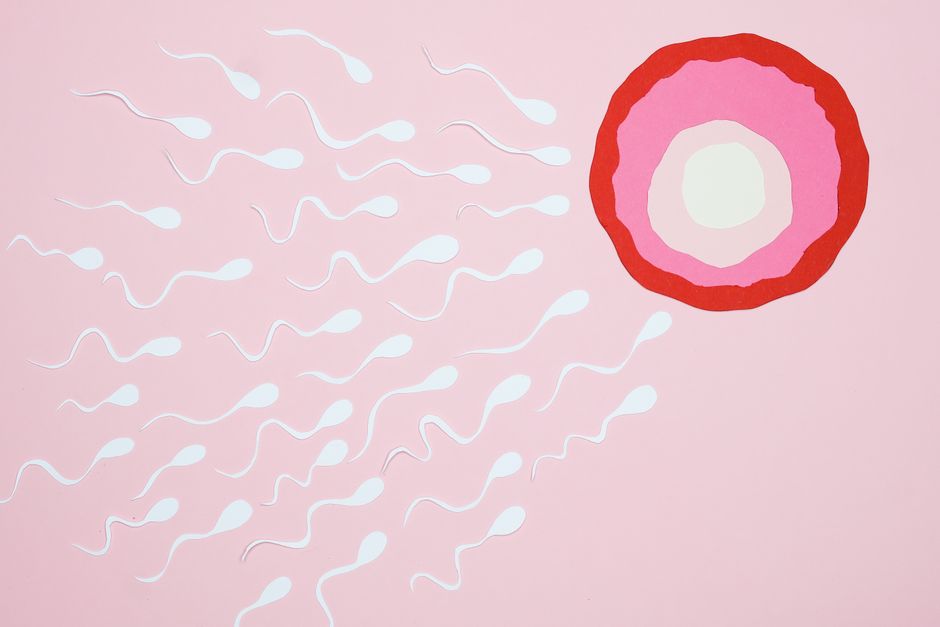
Ovulation is the release of an egg from one of your ovaries. It usually happens once per menstrual cycle, and for most people, that falls about 14 days before your next period starts. Because cycle lengths differ, the actual day of ovulation varies from person to person. Understanding your own timeline is the most reliable way to know when it is happening.
What Exactly Happens During Ovulation?
Ovulation is one step in a longer hormonal sequence. Each cycle, your brain sends signals to your ovaries to prepare an egg for release. The process starts with the follicle-stimulating hormone, which helps a small sac, called a follicle, grow inside the ovary. That follicle contains an immature egg.
As the follicle grows, it produces estrogen. Rising estrogen levels trigger a surge of luteinizing hormone. This surge is what causes the follicle to rupture and release the mature egg. That release is ovulation.
Once the egg leaves the ovary, it travels into the fallopian tube. It stays fertile for about 12 to 24 hours. If sperm reaches it during that window, fertilization can occur. If not, the egg dissolves and the cycle continues toward your period.
When Does Ovulation Happen in a Typical Cycle?
In a textbook 28-day cycle, ovulation occurs around day 14. Day 1 is the first day of your period. This timing is not universal. It is simply the midpoint of a 28-day cycle.
The more accurate way to predict ovulation is to count backward from your next expected period. The time between ovulation and your next period is called the luteal phase. For most people, this phase lasts about 14 days, but it can range from 12 to 16 days. So ovulation typically happens 12 to 16 days before your period starts.
If your cycles are 35 days long, ovulation usually happens around day 21. If your cycles are 24 days long, ovulation may happen around day 10. The key is not the day of the month. It is the number of days before your next period.
How Long Does Ovulation Last?
The release of the egg itself takes only a moment. The egg survives for 12 to 24 hours after release. That is the total fertile window of the egg itself.
But sperm can survive inside the female reproductive tract for up to five days. This is why the fertile window is longer than one day. You can get pregnant from intercourse that happened several days before ovulation, not just on the day itself.
The most fertile days are the two to three days leading up to ovulation and the day of ovulation itself. Having intercourse during this window gives sperm time to reach the fallopian tube and wait for the egg.





What Are the Signs of Ovulation?
Your body gives off signals that ovulation is approaching or has already occurred. These signs are not foolproof, but they can help you track your cycle.
Cervical mucus changes are one of the earliest signs. As ovulation approaches, mucus becomes clear, slippery, and stretchy, similar to raw egg whites. This consistency helps sperm travel. After ovulation, mucus thickens and becomes cloudy or sticky.
Basal body temperature rises slightly after ovulation. This rise is about 0.5 to 1 degree Fahrenheit. It happens because progesterone increases after the egg is released. Tracking your temperature every morning before getting out of bed can show a pattern over time.
Some people feel a twinge of pain on one side of the lower abdomen. This is called mittelschmerz. It can last from a few minutes to a few hours. Not everyone feels it, and it is not a reliable predictor on its own.
Other possible signs include breast tenderness, bloating, and a heightened sense of smell. These symptoms vary widely. They are not consistent enough to confirm ovulation on their own.
How Can You Track Ovulation at Home?
Several methods exist for tracking ovulation at home. Each has different levels of accuracy.
Ovulation predictor kits detect the luteinizing hormone surge in urine. This surge happens 24 to 36 hours before ovulation. A positive test means ovulation is likely within the next day or two. These kits are widely available and fairly accurate when used correctly.
Fertility monitors track multiple hormones, including estrogen and progesterone. They can provide more detailed information than simple urine strips. Some are digital and sync with smartphone apps. They tend to be more expensive.
Fertility awareness methods combine calendar tracking, cervical mucus observation, and basal body temperature. This approach requires daily attention and consistent record keeping. It is more accurate than using any single sign alone.
Wearable devices that track skin temperature or heart rate are increasingly popular. Some research suggests they can detect ovulation with reasonable accuracy. The evidence is still evolving, and results vary by device.
Can You Ovulate More Than Once in a Cycle?
The common belief is that one egg is released per cycle. Research has shown that this is not always the case. Some studies suggest that multiple waves of follicle growth can occur in a single cycle.
In most cases, only one wave results in ovulation. But there is evidence that some people can ovulate more than once in a cycle. When this happens, the ovulations can occur from different ovaries and at different times.
This does not mean you can get pregnant twice from two separate ovulations in the same cycle. The timing would need to be very specific, and the second egg would need to be fertilized separately. It is a rare occurrence and not something you need to plan around.
What If You Have Irregular Cycles?
Irregular cycles make ovulation harder to predict. A cycle is considered irregular if it varies by more than seven to nine days from month to month. It can also mean cycles that are consistently shorter than 24 days or longer than 38 days.
Irregular cycles often mean irregular ovulation. Ovulation may happen later than expected, or it may not happen at all in some cycles. Conditions like polycystic ovary syndrome, thyroid disorders, and high stress can disrupt ovulation.
If your cycles are irregular, tracking methods like calendar prediction are less reliable. Ovulation predictor kits can still help, but you may need to test more frequently over a longer period. A healthcare provider can help you determine if ovulation is occurring regularly.
When Should You See a Doctor About Ovulation?
If you are trying to conceive and have been having unprotected intercourse for one year without success, it is reasonable to seek medical advice. If you are over 35, the recommendation is to seek help after six months of trying.
You should also consider seeing a doctor if your cycles are consistently irregular, if you have very painful periods, or if you have been diagnosed with conditions that affect ovulation. Missing periods for several months in a row is another reason to check in with a healthcare provider.
Testing for ovulation is available. Blood tests can measure progesterone levels in the second half of your cycle to confirm ovulation occurred. Ultrasound can visualize follicle development and release. These tests are not needed for everyone, but they can provide answers when tracking is unclear.
Frequently Asked Questions
Can I get pregnant if I have sex after ovulation?
Yes, but only within 12 to 24 hours after the egg is released. After that window, the egg is no longer viable and pregnancy cannot occur until the next cycle.
How many days after my period do I ovulate?
It depends on your cycle length. If you have a 28-day cycle, ovulation typically occurs around day 14, which is about seven days after your period ends if your period lasts seven days.
Is it possible to ovulate without having a period?
Yes. Ovulation can occur without a subsequent period, though this is uncommon. Some people ovulate but do not shed the uterine lining normally, which can happen with certain hormonal conditions.
Do ovulation test strips work for everyone?
No. Ovulation predictor kits detect the luteinizing hormone surge, but some people have naturally high levels of this hormone. This can cause false positives. People with conditions like polycystic ovary syndrome may get consistently positive results.
