
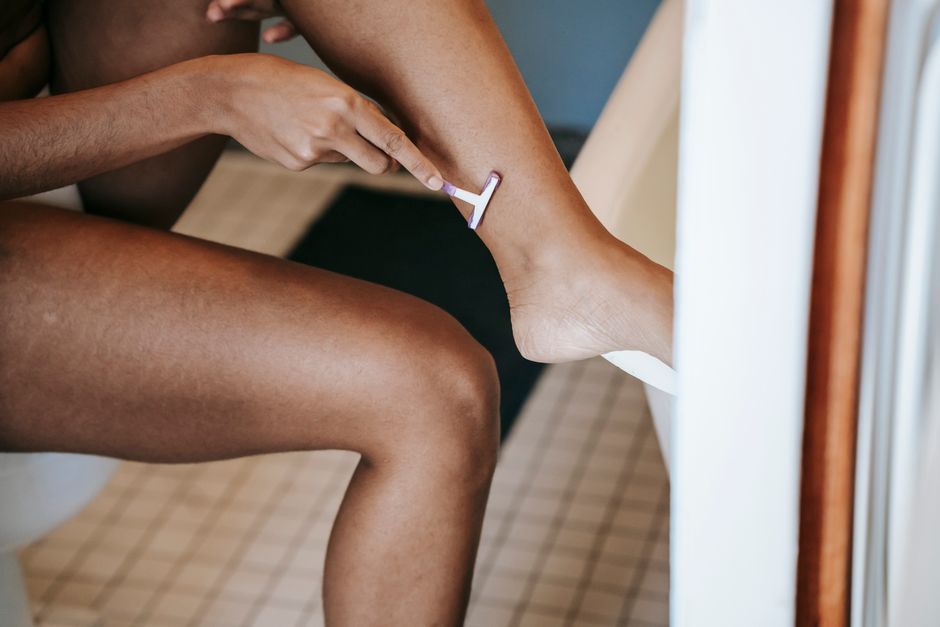
Razor bumps are a frustrating and common problem after shaving. Most razor bumps clear up on their own within 2 to 3 weeks if you stop shaving the area. However, the timeline depends heavily on how you treat them and whether you keep shaving the irritated skin.
What Actually Causes Razor Bumps?
Razor bumps are not the same as razor burn. Razor burn is a surface irritation that appears as redness and a burning sensation right after shaving. Razor bumps, also called pseudofolliculitis barbae, are ingrown hairs.
When you shave, the hair is cut at a sharp angle. As the hair grows back, that sharp tip can curve and push back into the skin. The body recognizes the hair as a foreign object and mounts an inflammatory response. This creates the red, tender bumps you see.
People with naturally curly hair are far more prone to this condition. The curvature of the hair makes it easier for the tip to re-enter the skin. This is why razor bumps are extremely common in the beard area of men with coarse or curly hair.
How Long Do Razor Bumps Take To Go Away? Timeline Guide
The standard healing time for a single razor bump is 2 to 3 weeks. This is the time it takes for the trapped hair to either break through the skin surface or for your immune system to push it out.
If you continue shaving over the bumps, you reset the clock. Shaving irritates the area, inflames the bumps further, and creates new ingrown hairs. The timeline extends indefinitely when shaving continues.
Scarring is the main reason to pay attention to the timeline. Dark spots, known as post-inflammatory hyperpigmentation, can linger for months after the bump itself resolves. Picking at the bumps significantly increases the risk of permanent scarring and extends the discoloration timeline well beyond the initial 3 weeks.
How to Speed Up the Healing Process
You cannot eliminate a razor bump overnight. The hair must either surface or be absorbed by the body. You can, however, shorten the time it stays inflamed.
Stop shaving the affected area until the bumps are gone. This is the single most effective step. For men with facial hair, this may mean growing a beard for 2 to 4 weeks until the skin clears.
Warm compresses applied for 10 minutes a few times daily can help soften the skin. This allows the trapped hair to surface more easily. Never squeeze or dig at the bump with tweezers. This breaks the skin and almost always leads to infection or scarring.
Exfoliating gently a few times a week can help release the hair tip. Use a soft washcloth or a mild facial scrub. Aggressive scrubbing makes inflammation worse and should be avoided.
Over-the-counter hydrocortisone cream can reduce redness and swelling for a few days. Use it sparingly and only short-term. It does not fix the ingrown hair itself, but it calms the inflammatory response while the hair works its way out.





When to See a Doctor
Most razor bumps are a cosmetic nuisance. Some require medical attention.
See a doctor if the bumps show signs of infection. These signs include increasing pain, warmth, pus, or swelling that spreads beyond the bump itself. A bacterial infection needs prescription treatment and will not resolve on its own.
Severe or widespread razor bumps may require prescription medication. Topical antibiotics, retinoids, or benzoyl peroxide are sometimes prescribed. In stubborn cases, dermatologists may recommend laser hair removal, which permanently reduces hair growth and eliminates the problem at its source.
If you have diabetes or a weakened immune system, do not wait to see a doctor. Minor skin infections can escalate quickly in these populations.
Preventing Razor Bumps Before They Start
Prevention is more effective than treatment. Changing your shaving routine can dramatically reduce the frequency of razor bumps.
Shave in the shower or immediately after. Warm water softens the hair and opens the pores. Shaving dry hair creates the sharp, jagged tips that lead to ingrown hairs.
Use a sharp razor with a single blade. Multi-blade razors pull the hair up above the skin surface before cutting it. When the hair retracts below the skin, it is more likely to grow inward. Single-blade razors cut the hair at skin level, reducing this risk.
Shave in the direction of hair growth. Shaving against the grain gives a closer shave but produces a flush cut that easily re-enters the skin. A less close shave is the trade-off for fewer bumps.
Do not stretch the skin while shaving. Stretching makes the hair stand up higher, which leads to a cut below the skin line. Let the skin remain relaxed.
Apply a moisturizer after shaving. Hydrated skin is softer and allows hairs to grow out rather than curling back under the surface.
Consider an electric razor instead of a blade. Electric razors do not cut as close, which is precisely why they cause fewer ingrown hairs. For people with persistent razor bumps, switching to an electric razor often resolves the problem entirely.
Razor Burn vs. Razor Bumps: Know the Difference
Razor burn appears immediately after shaving. It looks like a red rash and feels like a mild sunburn. It is caused by friction between the razor and the skin.
Razor burn typically resolves within 24 to 48 hours. It does not involve ingrown hairs and does not require the 3-week timeline that razor bumps do. A cool compress and a gentle moisturizer are usually enough to settle it.
Razor bumps appear 1 to 3 days after shaving. They are raised, sometimes pus-filled, and can be itchy or tender. The delayed onset is a key difference. If bumps appear days after shaving rather than immediately, they are ingrown hairs, not razor burn.
Myths About Razor Bumps That Do Not Work
Several popular home remedies have no evidence behind them. Some make the problem worse.
Rubbing alcohol on razor bumps is a common mistake. Alcohol dries out the skin and strips its natural protective oils. This leads to more irritation and slower healing. It does nothing to release the trapped hair.
Using a needle to free the hair is dangerous. While dermatologists sometimes use sterile instruments to release an ingrown hair, doing this at home introduces bacteria into the skin. The risk of infection outweighs any cosmetic benefit.
Bleach or hydrogen peroxide baths are sometimes suggested online. These are caustic and cause chemical burns. No clinical evidence supports their use for razor bumps, and they can cause permanent skin damage.
Some commercial products claim to cure razor bumps instantly. No topical product can remove an ingrown hair instantly. The hair must physically exit the skin. Products that reduce inflammation or exfoliate help, but they work over days, not minutes.
How Long Until Dark Spots Fade?
The bump itself may resolve in 2 to 3 weeks, but the discoloration it leaves behind is a separate issue. Dark spots from inflammation can take 6 to 12 months to fade on their own.
This is especially true for people with darker skin tones. Post-inflammatory hyperpigmentation is more pronounced and more persistent when the skin has more melanin.
Sun exposure darkens these spots further. Use sunscreen on the affected area if it is exposed. For facial razor bumps, this means daily sunscreen use.
Dermatologists can prescribe lightening agents like hydroquinone or recommend over-the-counter options containing azelaic acid or vitamin C. These treatments accelerate fading but still take several months to show visible results.
Frequently Asked Questions
Can razor bumps go away in 3 days?
No, most razor bumps take 2 to 3 weeks to fully resolve. A mild bump may become less inflamed after a few days, but the trapped hair needs time to surface or be absorbed.
Should I pop a razor bump?
No. Popping a razor bump introduces bacteria, increases inflammation, and raises the risk of permanent scarring. Let the bump heal on its own.
Does shaving every day make razor bumps worse?
Yes. Shaving over active razor bumps cuts the trapped hairs again and prolongs the cycle. Stopping shaving for 2 to 3 weeks is the fastest way to clear the skin.
Will laser hair removal stop razor bumps permanently?
Laser hair removal significantly reduces razor bumps by destroying the hair follicle so hair cannot regrow inward. It is the most effective long-term treatment for chronic razor bumps.
